Giriraj Singh promotes yoga, healthy living via Seva Sankalp camp
Synopsis
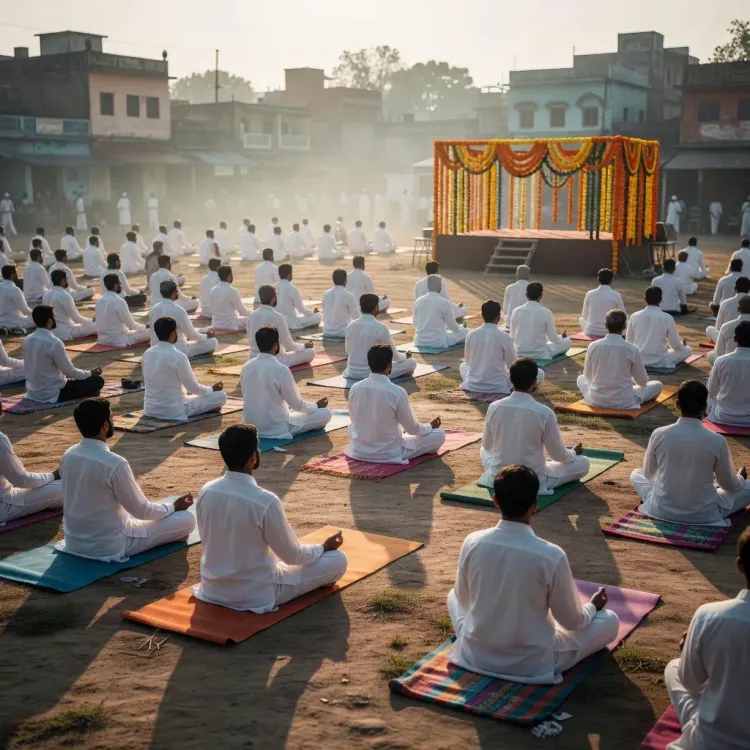
Union Textiles Minister Giriraj Singh used a Seva Sankalp Abhiyan yoga and meditation camp on 26 September 2026 to urge citizens in Begusarai to adopt daily yoga for physical health and mental calm, extending the Centre's AYUSH-backed preventive-health push to his Bihar constituency.
Key Takeaways
Giriraj Singh , Union Minister of Textiles and Lok Sabha MP from Begusarai, Bihar , promoted a yoga and meditation camp on 26 September 2026 .
The camp was held under the Seva Sankalp Abhiyan , a BJP constituency-level public-service campaign.
The stated goal: raise awareness about healthy lifestyles and make yoga a daily habit for mental calm and physical wellbeing.
India's push for yoga as public health dates to the creation of the Ministry of AYUSH in 2014 and the UN International Day of Yoga since 2015 .
Cross-portfolio participation — a Textiles Minister running a health camp — reflects the BJP's strategy of deploying all elected representatives as preventive-health messengers in their constituencies.
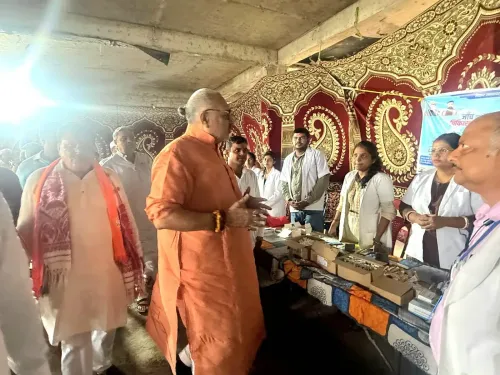
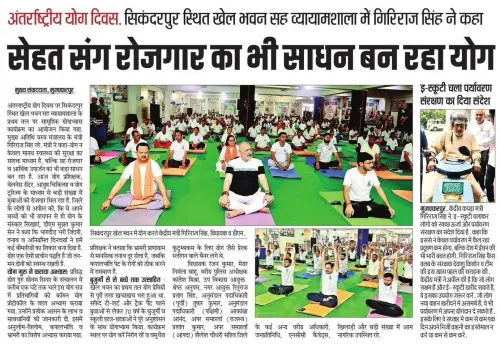
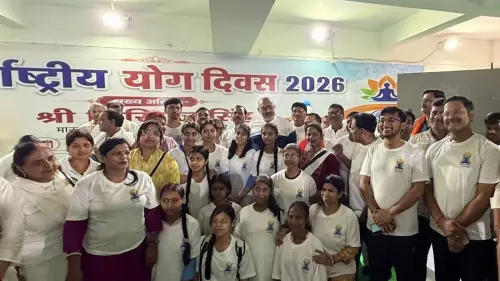
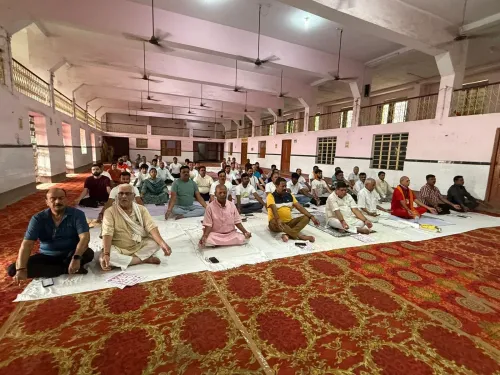
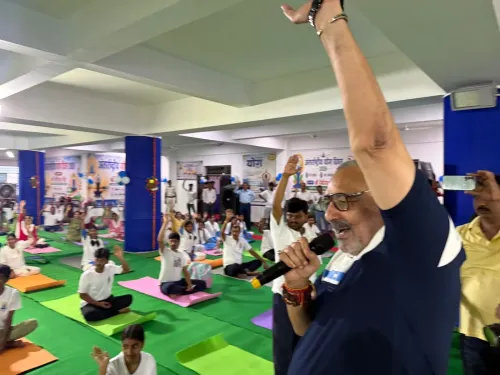
A yoga and meditation camp aimed at nudging everyday Indians toward preventive health took centre stage on Saturday, 26 September 2026, as Union Textiles Minister Giriraj Singh spotlighted the initiative through his constituency outreach under the Seva Sankalp Abhiyan.
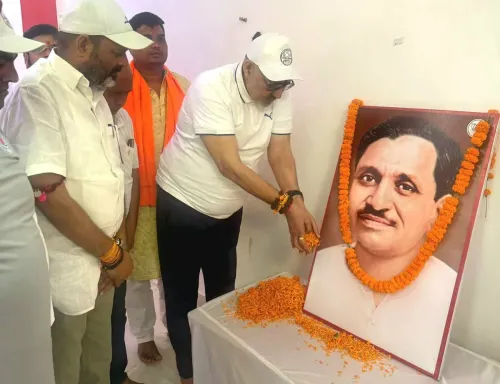
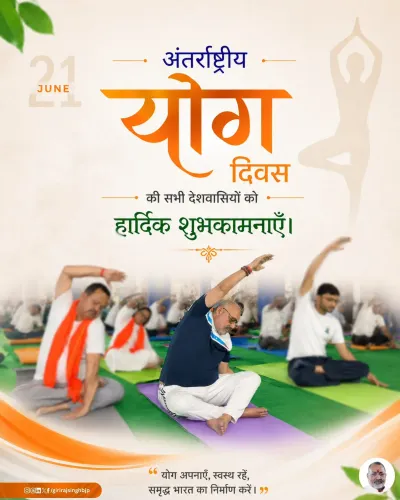
Posting images from the event, Giriraj Singh wrote in Hindi that the purpose of the yoga and meditation camp is to make people aware of a healthy lifestyle and to convey the message that regular yoga not only keeps the body healthy but also helps keep the mind calm, balanced, and positive. 'योग को दैनिक जीवन का हिस्सा बनाने के लिए लोगों को प्रेरित किया गया' — participants were motivated to make yoga a part of daily life, he noted.
Seva Sankalp Abhiyan and the BJP's grassroots health push
The Seva Sankalp Abhiyan is a constituency-level service campaign through which BJP leaders organise public-welfare activities — from blood donation drives to health awareness events — directly engaging with voters on the ground. Yoga camps fit naturally into this framework, pairing the party's civic-service narrative with the Centre's broader preventive-health agenda.
The Ministry of AYUSH, created in 2014, has been the institutional engine behind yoga's mainstreaming in public health policy. Since 2015, India has anchored the annual International Day of Yoga on 21 June — a date the UN General Assembly designated that same year on India's proposal — drawing millions of participants from school grounds to Rajpath.
Ministers beyond their portfolios — and why it matters
That a Textiles Minister is leading a health-awareness camp is deliberate, not incidental. Successive governments have encouraged ministers to carry preventive-health messaging into their own constituencies, turning every parliamentary seat into a potential AYUSH outpost. Begusarai, Bihar — Singh's constituency — benefits directly from this cross-sector engagement, where formal health infrastructure is often stretched thin.
The message is deceptively simple: a daily yoga practice costs nothing, needs no prescription, and scales without budget lines. Whether that message converts into lasting behavioural change is the harder question that no camp photograph can fully answer.
As Bihar approaches its next cycle of state-level health scheme integrations, watch for whether events like these get formally linked to AYUSH block-level programmes — or remain the warm, photogenic face of outreach without institutional follow-through.
Point of View
And the Centre's decade-long effort to position yoga as India's signature contribution to global preventive health. For a Textiles Minister to headline a health-awareness event signals how thoroughly AYUSH messaging has been embedded across the party machinery, not confined to health portfolios. In Bihar — where public health access remains uneven — such constituency-level events can fill a real awareness gap, but their policy legacy depends on whether they connect to formal AYUSH or state health schemes rather than stopping at the photo opportunity. The broader pattern bears watching: if Seva Sankalp camps start feeding into block-level AYUSH data or scheme enrolments, they graduate from optics to governance.
NationPress
26 Sept 2026
Frequently Asked Questions
What is the Seva Sankalp Abhiyan?
Seva Sankalp Abhiyan is a BJP constituency-level service campaign through which party leaders and ministers organise public-welfare activities — such as health camps, blood donation drives, and yoga events — to engage directly with citizens.
Why is a Textiles Minister organising a yoga camp?
BJP encourages all ministers and MPs to carry the Centre's preventive-health and AYUSH messaging into their own constituencies, regardless of their core portfolio, as part of a broad grassroots health-awareness strategy.
What is the International Day of Yoga?
The International Day of Yoga is observed every year on 21 June . The UN General Assembly designated the date in 2014 on India's proposal, and global observances have been held annually since 2015 .
What is the Ministry of AYUSH and what does it do?
The Ministry of AYUSH was established in 2014 to promote traditional Indian medicine systems — Ayurveda, Yoga, Naturopathy, Unani, Siddha, and Homeopathy — as part of India's mainstream public health policy.
What did Giriraj Singh say about yoga at the camp?
Giriraj Singh stated that regular yoga not only keeps the body healthy but also helps keep the mind calm, balanced, and positive, and that the camp aimed to motivate people to make yoga a part of their daily lives.