Is 'Militarised Commerce' Driving Global Firms Away from Pakistan?
Synopsis
As multinational companies exit Pakistan due to military influence in commerce, the nation's economic stability hangs in the balance. With significant declines in foreign direct investment and job opportunities, this exodus raises critical concerns about the future of business in the country.
Key Takeaways
Exodus of multinational firms leads to economic instability.
Military dominance in commerce creates a hostile environment.
Foreign direct investment has hit a 10-year low .
Regulatory challenges deter long-term planning.
Political volatility adds to investment risks.
New Delhi, Jan 12 (NationPress) Pakistan is witnessing a significant withdrawal of international corporations across various sectors, primarily due to an unwelcoming business atmosphere intensified by military involvement in commerce, as reported by a media source.
This trend is resulting in a drop in foreign direct investment and job opportunities in a nation already grappling with an economic crisis, according to an analysis in the Asian News Post.
Notable multinational entities that have exited Pakistan in recent years include consumer goods leader Procter & Gamble, energy conglomerate Shell, which transferred its operations to Saudi Arabia’s Wafi Energy, and TotalEnergies, which offloaded a 50 percent stake.
Other companies like Microsoft, Pfizer, Yamaha, Uber, Careem, Siemens, Bayer, and Eli Lilly have also pulled out, citing unsustainable business conditions.
Particularly, pharmaceutical and technology sectors faced unique challenges, with more than 21 companies exiting within a span of three years.
The energy and automotive sectors followed suit, with firms like Yamaha halting production due to import restrictions.
Foreign direct investment has plummeted to a decade low of $1.2 billion in FY2023, indicating lost capital, jobs, and technological advancements, the analysis noted.
Factors such as currency devaluation—which diminishes profit margins—high inflation, power shortages disrupting operations, and weak consumer demand shrinking markets are significant economic contributors to the departure of foreign capital.
Political instability and rising militancy in the nation add further layers of risk, creating unpredictability that global firms tend to avoid. Regulatory delays, bureaucratic hurdles, and inconsistent policies complicate planning, with high taxes and corrupt practices inflating costs. These elements have transformed Pakistan from an emerging market into a high-risk territory, the article remarks.
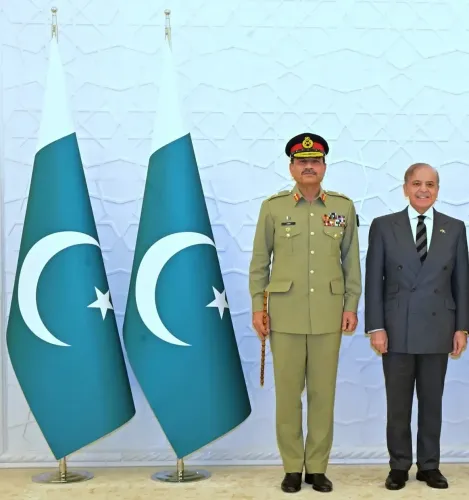
The military's control extends over a vast parallel economy known as 'Milbus', which encompasses real estate, cement, fertilizers, and banking, valued at tens of billions annually. Entities like Fauji Foundation dominate industries with tax breaks, regulatory immunity, and preferential government contracts, sidelining civilian competitors. This empire flourishes amidst national decline, diverting resources and distorting markets. Military enterprises hinder merit-based competition, stifling entrepreneurship and deterring foreign investments wary of an uneven playing field. The Strategic Investment Facilitation Council (SIFC), led by the military, prioritizes army-affiliated projects, reinforcing perceptions of opacity and control.
The military's dominance also extends to initiatives like CPEC, benefitting the elite over local communities and increasing reliance on debt. Civilian budgets face cuts to finance defense, exacerbating inflation and poverty, which further dissuades investment.
Foreign companies operate under a cloud of uncertainty, uncertain of policy enforcement amidst military influence over governance. This overreach fosters a non-transparent environment, where corruption and favoritism triumph over the rule of law. Investors favor stable bases like the UAE or Singapore, steering clear of Pakistan’s militarized commerce.
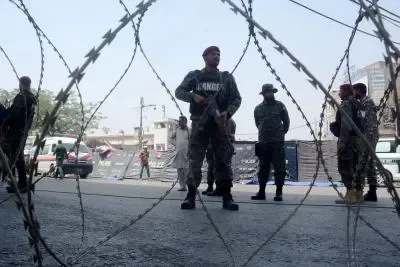
Complex regulations and abrupt policy shifts create a hostile business environment. Frequent tax modifications, import restrictions, and approval delays render long-term planning unfeasible. Security concerns, including terrorism and lawlessness, heighten operational risks, the article concluded.
Point of View
It is essential to recognize the complexities of Pakistan's business landscape. The current military influence poses serious challenges to economic growth and international investments. The situation calls for urgent reforms to restore investor confidence and promote a fair business environment.
NationPress
21 Sept 2026
Frequently Asked Questions
Why are global companies leaving Pakistan?
Global companies are exiting Pakistan due to a combination of military influence in commerce, regulatory challenges, and an unstable economic environment.
What impact does this exodus have on Pakistan's economy?
The departure of multinational firms significantly reduces foreign direct investment, leading to job losses and a decline in technological advancements.
Which companies have withdrawn from Pakistan recently?
Companies such as Procter & Gamble, Shell, and Microsoft, among others, have exited Pakistan in recent years due to unsustainable business conditions.
What are the key factors driving foreign capital away from Pakistan?
Key factors include high inflation, currency devaluation, political instability, and military dominance that create an unpredictable business landscape.
How does military influence affect business in Pakistan?
Military influence creates a non-transparent environment where favoritism prevails over the rule of law, deterring foreign investments.