Goyal Meets Czech VP Havlíček, Eyes FTA Push
Synopsis
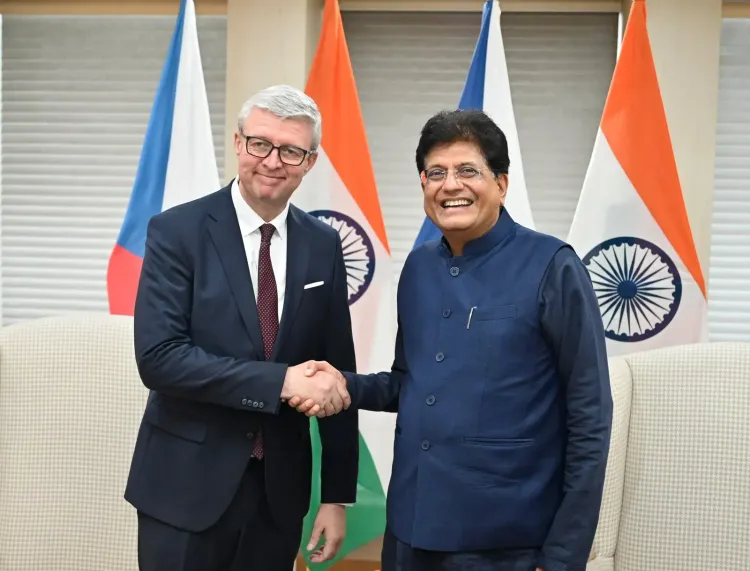
Union Commerce Minister Piyush Goyal met Czech Vice Prime Minister Karel Havlíček on October 13, 2026, to advance bilateral trade, joint manufacturing in defence and railways, and to build momentum toward the India-EU Free Trade Agreement.
Key Takeaways
Piyush Goyal held a bilateral meeting with Czech VP Karel Havlíček on October 13, 2026 .
Discussions covered joint manufacturing, defence, railways, mobility, and advanced technologies .
Both sides reaffirmed industry-to-industry collaboration as a driver of the economic partnership.
The meeting explicitly referenced the India-EU FTA as a vehicle for unlocking new opportunities.
India relaunched India-EU BTIA negotiations in 2022 after a decade-long pause; bilateral engagements with member states help build broader momentum.
The Czech Republic's expertise in precision engineering, rail technology and defence aligns closely with India's infrastructure priorities.
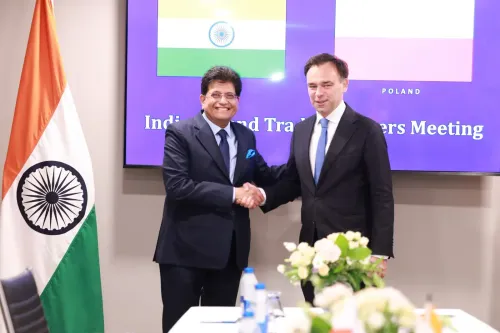
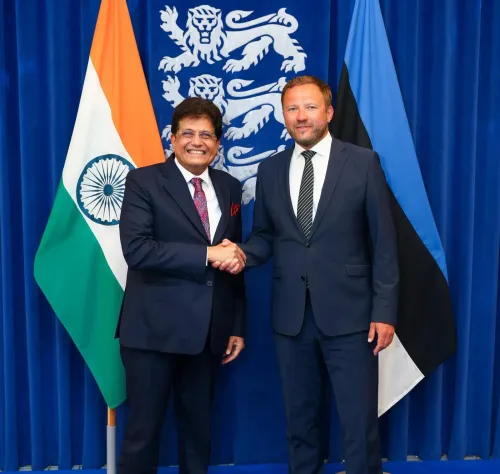
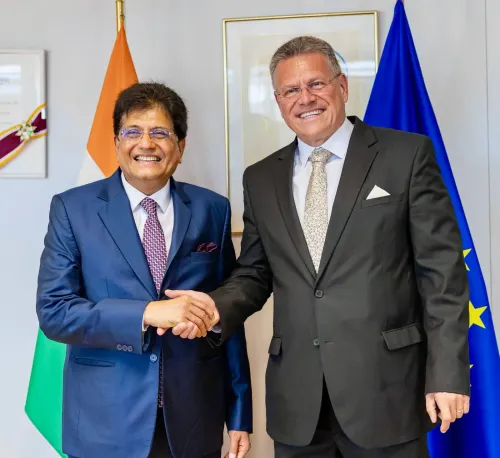
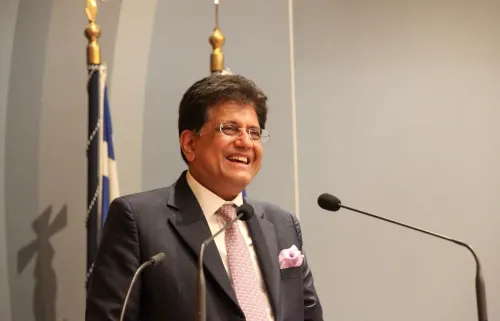
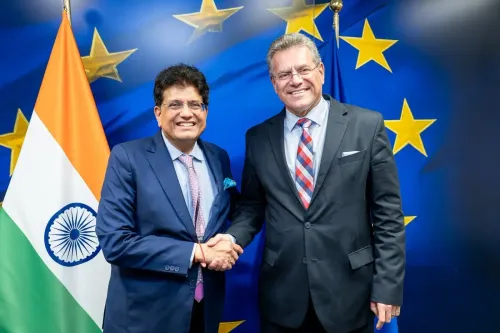
India's trade diplomacy with Europe shifted up a gear on Tuesday, October 13, 2026, when Union Commerce and Industry Minister Piyush Goyal held a bilateral meeting with H.E. Karel Havlíček, Vice Prime Minister and Minister of Industry and Trade of the Czech Republic — a conversation that put railways, defence, and the long-awaited India-EU Free Trade Agreement squarely on the table.
What the two ministers put on the table
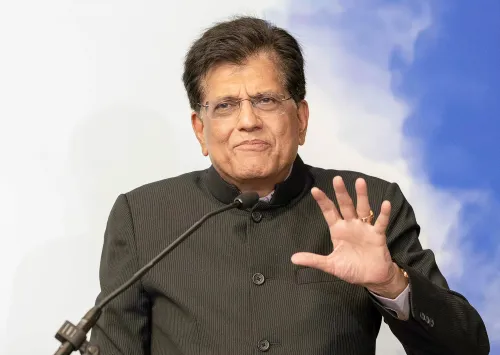
Goyal described the meeting as 'productive', saying the two sides 'explored avenues to strengthen bilateral trade and investment, encourage joint manufacturing and industrial partnerships, and expand cooperation in railways, mobility, defence and advanced technologies.' The breadth of that agenda — spanning industrial supply chains to high-end technology — signals that India is treating the Czech Republic not merely as one of the EU's 27 members, but as a strategic industrial partner in its own right.
Both ministers also 'reaffirmed the role of closer industry-to-industry collaboration in strengthening the economic partnership and unlocking new opportunities through the India-EU FTA.' That phrase — industry-to-industry — is deliberate. It points toward joint ventures and co-production arrangements rather than simple tariff-window trade.
Why the Czech Republic matters for India's EU playbook
The Czech Republic sits at the industrial heart of Central Europe, with deep expertise in precision engineering, defence manufacturing, and rail technology — three sectors that map almost perfectly onto India's own infrastructure and modernisation priorities. New Delhi has increasingly pursued targeted bilateral engagements with individual EU member states to build sectoral momentum that can then feed into — and accelerate — the broader India-EU Broad-based Trade and Investment Agreement (BTIA), negotiations for which were relaunched in 2022 after a decade-long pause.
For Indian exporters and defence manufacturers, closer ties with a Central European industrial hub open doors to EU supply chains that have been actively diversifying since the post-pandemic rethink of global logistics. The railways sector is another live opportunity: India's ambitious rail modernisation programme and the Czech Republic's established rolling-stock and signalling industry are a natural fit.
The India-EU FTA: bilateral meetings as building blocks
Progress on a comprehensive India-EU FTA has historically been slow, weighed down by differences over tariffs on automobiles, dairy, and wines. What has changed is the geopolitical incentive on both sides — supply-chain resilience, China-plus-one strategies, and the EU's push to deepen trade partnerships with democracies in the Indo-Pacific. Bilateral meetings like Tuesday's serve as confidence-building exercises: when individual member states signal readiness for joint manufacturing and investment with India, they create political momentum inside Brussels that a purely technocratic negotiation cannot.
Goyal's engagement with Havlíček is the latest in a series of such bilateral touchpoints India has pursued across Europe, building a coalition of willing partners even before the FTA text is finalised.
The test now is whether the momentum from meetings like this translates into announced mechanisms — joint working groups, pilot projects, or investment facilitation frameworks — before the next formal round of India-EU FTA negotiations convenes.
Point of View
Not just Brussels, invested in the deal's success. If such bilaterals yield concrete follow-up mechanisms, they could meaningfully compress the FTA's notoriously slow timeline.
NationPress
13 Oct 2026
Frequently Asked Questions
What did Piyush Goyal discuss with Czech Vice PM Karel Havlíček?
They discussed strengthening bilateral trade and investment, joint manufacturing, industrial partnerships, and cooperation in railways, mobility, defence and advanced technologies, with a focus on advancing the India-EU FTA.
What is the India-EU FTA and where do negotiations stand?
The India-EU Free Trade Agreement, formally called the Broad-based Trade and Investment Agreement (BTIA), is an ongoing negotiation to expand market access between India and the European Union. Talks were relaunched in 2022 after a decade-long pause.
Why is the Czech Republic important for India's trade strategy?
The Czech Republic has strong expertise in precision engineering, rail technology and defence manufacturing — sectors that directly align with India's modernisation and Make-in-India priorities, making it a valuable bilateral partner within the EU.
How does India use bilateral EU meetings to push the FTA forward?
India engages individual EU member states on specific sectors like defence and railways to build political goodwill and industrial momentum, which feeds into the broader India-EU trade negotiations in Brussels.
Who is Karel Havlíček?
Karel Havlíček is the Vice Prime Minister and Minister of Industry and Trade of the Czech Republic.