Piyush Goyal pushes circular economy, fair trade as India targets $30 trillion by 2047
Synopsis
At the Bharatiya Vyapar Mahotsav, Commerce Minister Piyush Goyal tied India's $30 trillion ambition directly to fair trade, recycling, and circularity — framing sustainability not as a side agenda but as a core growth lever. With exports up 73% in six years and nine FTAs in place, the government is signalling that the next phase of growth must be greener and more globally integrated.
Key Takeaways
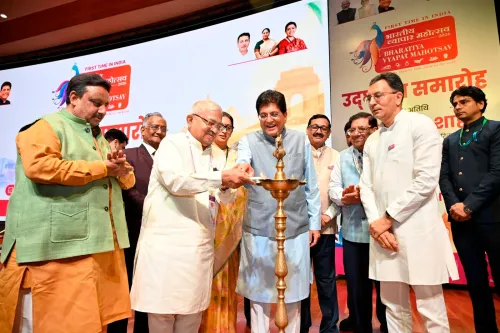
Commerce Minister Piyush Goyal addressed Bharatiya Vyapar Mahotsav in New Delhi on 12 August .
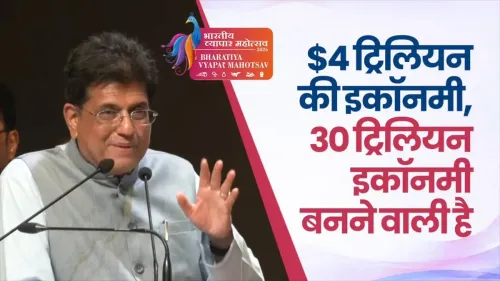
India aims to grow from a $4 trillion economy today to a $30 trillion economy by 2047 .
Goods and services exports have grown approximately 73 per cent over six years ; April–July growth stood at nearly 15 per cent .
The government has set a $1 trillion export target for the current financial year.
India has signed nine free trade agreements providing preferential international market access.
Goyal called for greater focus on recycling, reuse , and a circular economy in response to climate change.
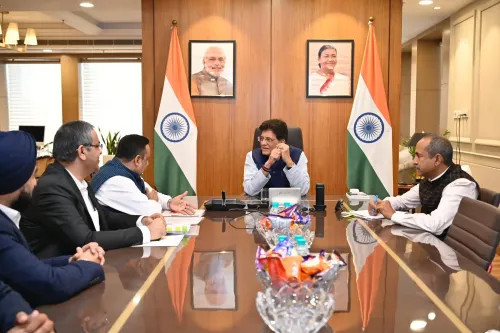
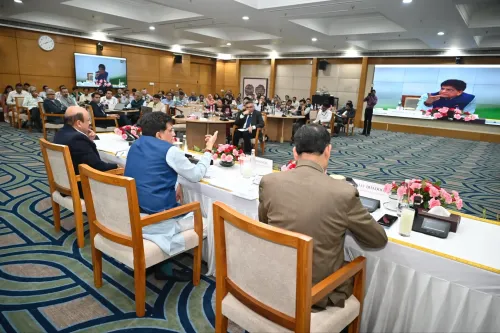
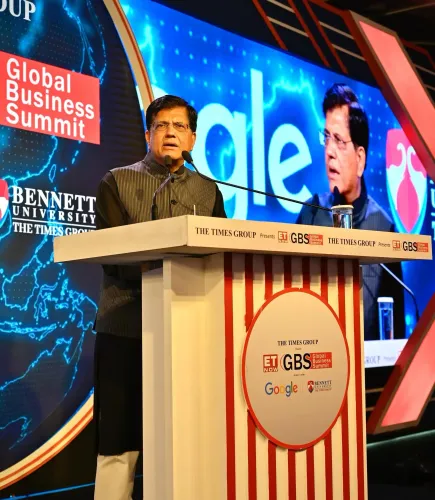
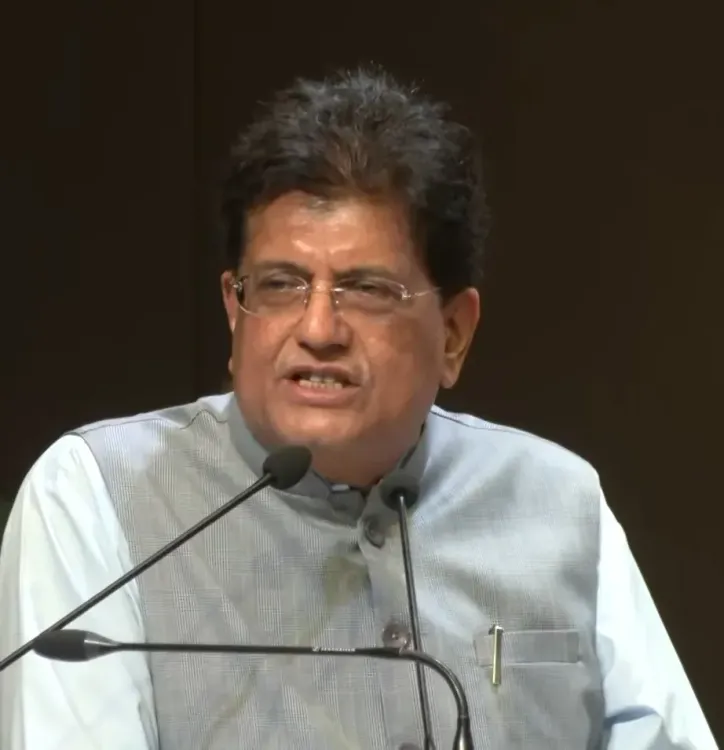
Union Minister of Commerce and Industry Piyush Goyal on Wednesday, 12 August called on Indian businesses and citizens to embrace fair trading practices, recycling, and a circular economy model, as India charts its course toward becoming a $30 trillion economy by 2047. Goyal made the remarks at the inaugural ceremony of Bharatiya Vyapar Mahotsav in New Delhi, framing sustainable commerce as inseparable from the country's long-term growth ambitions.
India's Economic Ambition and Export Momentum
Goyal noted that India's economy currently stands at approximately $4 trillion and that reaching the $30 trillion milestone by 2047 will require coordinated effort across all sectors. He pointed to record levels in goods and services exports and said the government has set an ambitious target of $1 trillion in exports for the current financial year.
Exports have grown approximately 73 per cent over the last six years, with the April–July period of the current year alone registering nearly 15 per cent growth. Goyal credited this momentum to the combined contributions of MSMEs, farmers, fishermen, entrepreneurs, workers, and the services sector.
Nine Free Trade Agreements Opening Global Doors
The minister highlighted that India has concluded nine free trade agreements, giving domestic businesses preferential access to international markets. He urged Indian enterprises to move beyond limited domestic demand and actively compete in global markets, arguing that greater scale would make Indian businesses more competitive worldwide.
Goyal also called for strengthening the 'Make in India' brand by doubling down on quality, design, and innovation — areas he described as critical to differentiation in an increasingly competitive global trade environment. This comes amid India's broader push to position itself as a reliable alternative in global supply chains.
Circular Economy and Sustainable Growth
Emphasising the urgency of climate change, Goyal urged businesses to prioritise recycling, reuse, and the transition to a circular economy. He framed sustainable practices not as a regulatory burden but as a structural necessity for long-term competitiveness, particularly as global buyers increasingly factor environmental standards into procurement decisions.
Notably, the call for circularity aligns with India's international climate commitments and growing pressure from European Union trade partners who have introduced sustainability-linked trade conditions.
Digital India, Startups, and Self-Reliance
Goyal highlighted flagship programmes — Digital India, Startup India, and Stand-Up India — alongside infrastructure development as key enablers that have expanded opportunity for the country's youth. He urged businesses and entrepreneurs to digitise operations and adopt good manufacturing practices alongside fair trading standards.
The minister said self-reliance and national development are complementary goals, calling on citizens to become active participants in India's journey toward economic independence. He expressed confidence that collective effort from businesses, MSMEs, farmers, fishermen, workers, and entrepreneurs would elevate India's standing in the global economy by 2047.
Point of View
And the gap between aspirational export targets and structural bottlenecks — logistics costs, MSME credit access, quality certification — remains wide. The nine FTAs are a genuine asset, but preferential access only converts to gains if domestic producers can meet partner-country standards at scale. The real question is whether the government's digitisation and manufacturing-practice push will reach the bottom of the MSME pyramid, where the bulk of employment sits but execution capacity is thinnest.
NationPress
27 Sept 2026
Frequently Asked Questions
What did Piyush Goyal say at Bharatiya Vyapar Mahotsav?
Commerce Minister Piyush Goyal called on Indian businesses and citizens to adopt fair trading practices, embrace recycling and reuse, and transition to a circular economy, framing these as essential to India reaching a $30 trillion economy by 2047. He also highlighted record export levels and the government's $1 trillion export target for the current year.
What is India's export growth rate in recent years?
India's goods and services exports have grown approximately 73 per cent over the last six years, according to Goyal. Exports during the April–July period of the current financial year registered nearly 15 per cent growth.
How many free trade agreements has India signed?
India has signed nine free trade agreements, giving domestic businesses preferential access to international markets. Goyal cited these as a major opportunity for MSMEs, farmers, and entrepreneurs to expand globally.
Why is Goyal emphasising the circular economy?
Goyal cited climate change as the primary reason, arguing that recycling, reuse, and circular economy practices are necessary for sustainable long-term growth. The push also aligns with growing sustainability requirements from India's major trade partners, particularly in Europe.
What is India's current GDP and its 2047 target?
India's economy is currently approximately $4 trillion. The government is targeting $30 trillion by 2047, coinciding with the centenary of Indian independence, which would require sustained high growth over the next two decades.