Piyush Goyal Hails 23% Surge in India Auto Sales
Synopsis
Commerce Minister Piyush Goyal highlighted India's passenger vehicle market clocking nearly 4.4 lakh units in May 2026 — a 23 per cent year-on-year jump — led by Maruti Suzuki, Tata Motors and Mahindra & Mahindra, linking the surge to PM Modi's Make in India initiative and the Viksit Bharat 2047 goal.
Key Takeaways
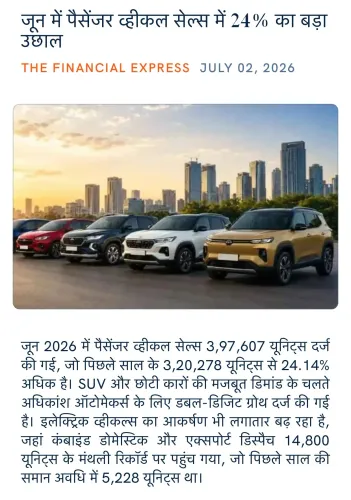
India's passenger vehicle market sold nearly 4.4 lakh units in May 2026 , a 23 per cent year-on-year increase.
Maruti Suzuki , Tata Motors , and Mahindra & Mahindra were cited as the top contributors to the monthly sales figure.
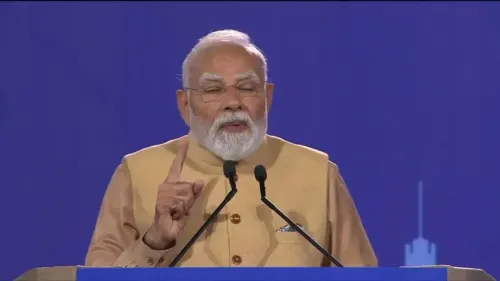
Commerce Minister Piyush Goyal attributed the growth to PM Modi's Make in India initiative launched in September 2014 .
The Production Linked Incentive scheme for automobiles , notified in September 2021 , has been a key policy lever supporting domestic manufacturing capacity.
The sales milestone was framed by Goyal as evidence of progress toward the Viksit Bharat 2047 developed-economy target.
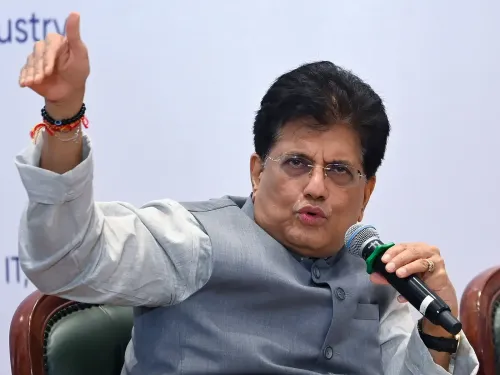
Union Commerce and Industry Minister Piyush Goyal on Friday, June 5, 2026, highlighted India's passenger vehicle market performance for May 2026, citing nearly 4.4 lakh units sold — a 23 per cent year-on-year growth — and attributed the momentum to Prime Minister Narendra Modi's Make in India initiative.
Context
Goyal's post, shared on X (formerly Twitter), pointed to Maruti Suzuki, Tata Motors, and Mahindra & Mahindra as the leading contributors to the monthly tally. He described the numbers as evidence of 'strong consumer demand despite global uncertainties', framing the sales surge as a reflection of both supply-side readiness and rising household confidence.
The minister stated that 'the robust demand for Made-in-India vehicles reflects growing consumer confidence, a thriving manufacturing ecosystem, and the transformative impact of PM Modi Ji's Make in India vision.' He added that 'the journey towards Viksit Bharat is being driven by innovation, enterprise, and the aspirations of 140 crore Indians.'
Policy Backdrop
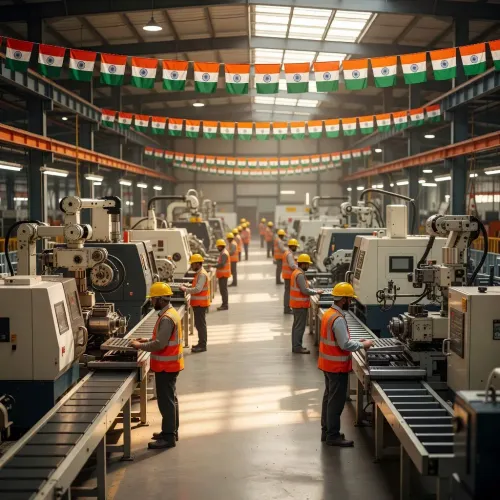
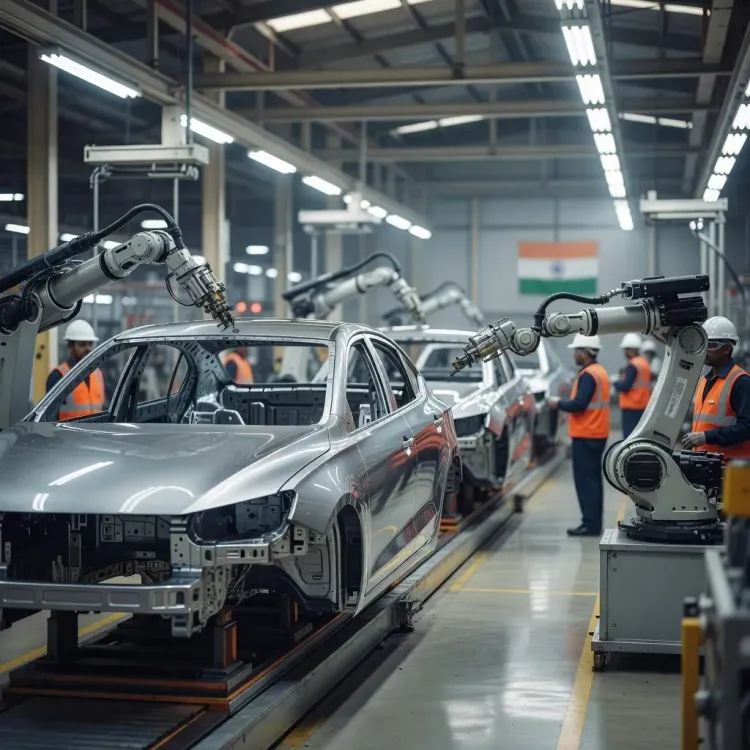
Make in India was launched in September 2014 with the stated aim of increasing the share of manufacturing in India's GDP and attracting foreign direct investment across sectors, including automobiles. The automotive segment received a further push when the Production Linked Incentive (PLI) scheme for automobiles was notified in September 2021, designed to attract investment in both vehicle assembly and component manufacturing.
Together, these interventions have been cited by the government as having reshaped the domestic auto industry's capacity and competitiveness. The PLI scheme specifically incentivises advanced automotive technology vehicles, including electric vehicles and hydrogen fuel-cell vehicles, aligning with India's broader clean-mobility goals.
Stakeholders and Impact
Maruti Suzuki India, the country's largest passenger vehicle maker by volume, has consistently led monthly sales charts and is a central beneficiary of sustained retail demand. Tata Motors has expanded aggressively in the electric vehicle segment, while Mahindra & Mahindra has seen strong uptake in the utility vehicle and SUV categories, segments that have driven much of the industry's recent volume growth.
For domestic consumers, the strong sales figures suggest competitive pricing, wider model availability, and accessible financing have combined to sustain purchase momentum. Auto component manufacturers and dealership networks across the country also benefit directly from elevated retail volumes.
What's Next
Attention will now turn to the June 2026 wholesale and retail sales data, which will indicate whether the May 2026 performance reflects a sustained trend or a seasonal uptick. Any mid-year review of the auto PLI scheme or fresh policy signals on electric vehicle incentives could further shape the industry's trajectory in the second half of 2026.
If monthly volumes continue on this trajectory, the passenger vehicle segment could contribute meaningfully to the government's broader target of positioning India as a global manufacturing hub — a cornerstone of the Viksit Bharat 2047 vision.
Point of View
Tying a single month's auto sales to the decade-long Make in India narrative ahead of what is likely a busy policy calendar. The choice to name all three major automakers — Maruti Suzuki, Tata Motors, and Mahindra & Mahindra — signals an intent to project broad-based industrial success rather than niche gains. Framing the 4.4 lakh figure against 'global uncertainties' is a studied contrast, positioning India's domestic demand story as resilient amid external headwinds. This pattern of linking consumption data to the Viksit Bharat arc is increasingly central to the BJP government's economic communication strategy heading into the second half of 2026.
NationPress
21 Oct 2026
Frequently Asked Questions
How many passenger vehicles were sold in India in May 2026?
According to Commerce Minister Piyush Goyal's post, India's passenger vehicle market clocked nearly 4.4 lakh units in May 2026 , representing a 23 per cent year-on-year growth .
Which car companies led India's auto sales in May 2026?
Goyal cited Maruti Suzuki , Tata Motors , and Mahindra & Mahindra as the leading contributors to India's passenger vehicle sales in May 2026.
What is Make in India and how does it relate to auto sales?
Make in India is a flagship manufacturing initiative launched by PM Narendra Modi in September 2014 to boost domestic production and attract FDI. The government credits it with expanding automotive manufacturing capacity, which underpins the strong sales figures.
What is the PLI scheme for automobiles?
The Production Linked Incentive (PLI) scheme for automobiles was notified in September 2021 . It offers financial incentives to manufacturers investing in advanced automotive technology, including electric and hydrogen fuel-cell vehicles, to strengthen India's auto manufacturing base.
What is Viksit Bharat and why is it mentioned in the auto sales context?
Viksit Bharat 2047 is the government's vision to make India a developed economy by the centenary of its independence. Goyal invoked it to position strong domestic auto demand as part of the broader industrial and economic transformation India is pursuing.