India PV sales hit 4.4 lakh units in May 2026, up 23% year-on-year
Synopsis
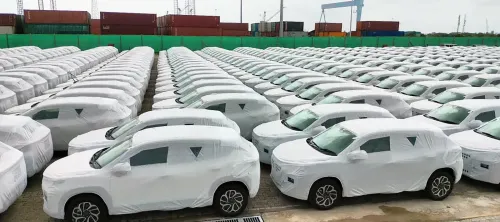
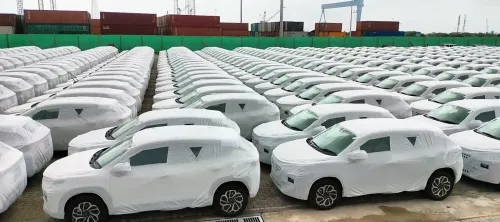
India's passenger vehicle market hit nearly 4.4 lakh units in May 2026 — a 23% year-on-year surge — with Maruti Suzuki smashing its own all-time monthly sales record at 1,90,337 units. The numbers arrive despite global headwinds, pointing to resilient domestic demand and raising the stakes for India's ambition to become a global auto manufacturing hub.
Key Takeaways
India's passenger vehicle market sold nearly 4.4 lakh units in May 2026 , up 23 per cent year-on-year .
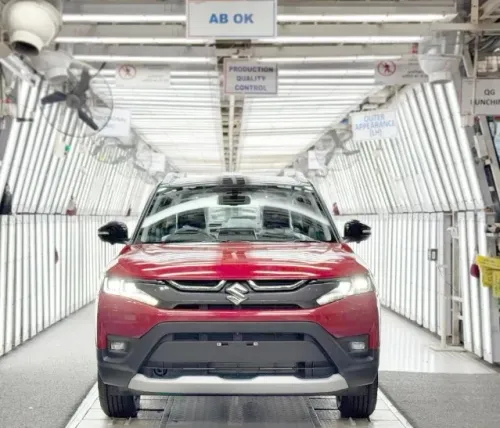
Maruti Suzuki India set a new all-time monthly domestic sales record of 1,90,337 units in May, growing 39.99 per cent year-on-year .
The previous Maruti record of 1,87,704 units was set just one month earlier in April 2026 .
Growth was led by Maruti Suzuki India , Tata Motors , and Mahindra & Mahindra .
Union Minister Piyush Goyal credited the Make in India initiative and rising consumer confidence for the sector's performance.
India's passenger vehicle (PV) market recorded sales of nearly 4.4 lakh units in May 2026, a 23 per cent year-on-year jump, according to data highlighted by Union Minister Piyush Goyal on Friday. The figures signal sustained consumer momentum in one of the world's fastest-growing auto markets, even as global economic headwinds persist.
What the Numbers Show
The 23 per cent year-on-year expansion in May marks one of the stronger monthly performances for the domestic PV segment in recent memory. Growth was led by the three largest players — Maruti Suzuki India, Tata Motors, and Mahindra & Mahindra — whose combined volumes drove the headline figure. The data reflects broad-based demand rather than a spike concentrated in a single brand or segment.
Notably, Maruti Suzuki India reported its highest-ever monthly domestic sales in May, dispatching 1,90,337 passenger vehicles to dealers — a 39.99 per cent year-on-year rise. This surpassed the company's previous record of 1,87,704 units set just a month earlier in April 2026, according to industry estimates.
What the Government Said
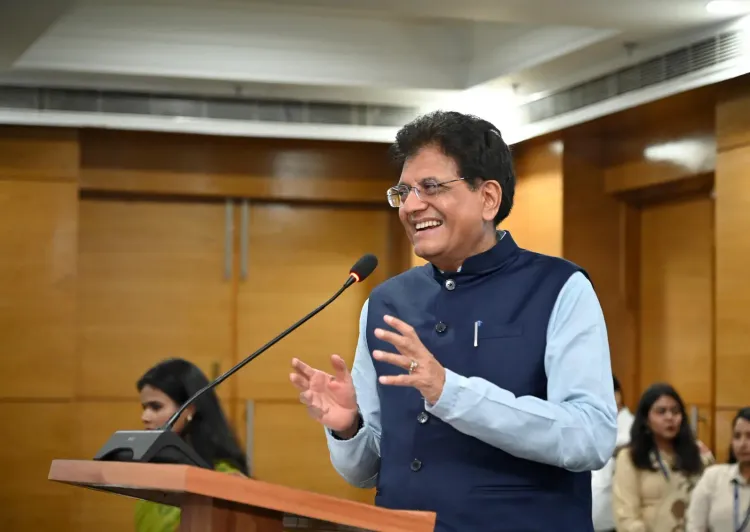
Minister Goyal, posting on social media platform X, framed the results as evidence of deepening consumer confidence in domestically manufactured vehicles. 'India's growth engine is in top gear! India's passenger vehicle market clocked nearly 4.4 lakh units in May 2026, registering 23 per cent year-on-year growth, led by Maruti Suzuki India, Tata Motors and Mahindra Auto, reflecting strong consumer demand despite global uncertainties,' he said.
He further attributed the sector's momentum to the government's Make in India initiative, crediting it with strengthening the country's manufacturing ecosystem. 'The robust demand for Made-in-India vehicles reflects growing consumer confidence, a thriving manufacturing ecosystem, and the transformative impact of PM Narendra Modi's Make in India vision,' Goyal added.
Broader Economic Context
The auto sector's performance carries weight beyond showroom floors. Passenger vehicle sales are a widely tracked proxy for urban consumer sentiment, credit availability, and industrial output. This comes amid a period of global uncertainty — including uneven demand in key export markets and elevated input costs — making the domestic resilience particularly noteworthy.
India has been pushing to position itself as a global automotive manufacturing hub, with policy support spanning production-linked incentives for electric vehicles, component localisation mandates, and infrastructure investment. The May data suggests those structural tailwinds are translating into on-ground demand.
What to Watch Next
Sustaining this trajectory will depend on monsoon-driven rural demand, the pace of EV adoption, and whether urban discretionary spending holds through the second half of 2026. Industry bodies are expected to release consolidated June figures in early July, which will indicate whether the May surge was seasonal or the start of a durable upcycle.
Point of View
But context matters: a low base from May 2025 and pent-up urban demand after a sluggish Q4 likely flatter the number. Maruti's record is more telling — two consecutive all-time highs in April and May suggest genuine demand momentum, not a statistical artefact. The harder question is whether this carries into the second half of 2026, when rural demand (monsoon-dependent) and EV transition costs will test whether the growth is broad-based or concentrated in the premium urban segment that policy has so far done little to cool.
NationPress
27 Sept 2026
Frequently Asked Questions
How many passenger vehicles were sold in India in May 2026?
India's passenger vehicle market recorded sales of nearly 4.4 lakh units in May 2026, representing a 23 per cent year-on-year increase. The growth was led by Maruti Suzuki India, Tata Motors, and Mahindra & Mahindra.
Did Maruti Suzuki set a sales record in May 2026?
Yes. Maruti Suzuki India dispatched 1,90,337 passenger vehicles to dealers in May 2026 — its highest-ever monthly domestic sales figure, up 39.99 per cent year-on-year. This surpassed its previous record of 1,87,704 units set in April 2026.
What did Union Minister Piyush Goyal say about the PV sales data?
Minister Goyal posted on X that India's passenger vehicle market clocked nearly 4.4 lakh units in May 2026 with 23 per cent year-on-year growth, calling it a sign of strong consumer demand despite global uncertainties. He attributed the performance to the government's Make in India initiative.
Why do passenger vehicle sales matter for India's economy?
PV sales are a key indicator of urban consumer sentiment, credit availability, and industrial output. Strong auto sector performance also supports downstream industries including steel, components, and logistics, making it a broad proxy for economic health.
What factors could affect India's auto sector growth in the coming months?
Key variables include monsoon performance and its impact on rural demand, the pace of electric vehicle adoption, and the trajectory of global economic conditions. Industry bodies are expected to release June 2026 consolidated data in early July.