Goyal hails first millet functional food sea shipment to New Zealand
Synopsis
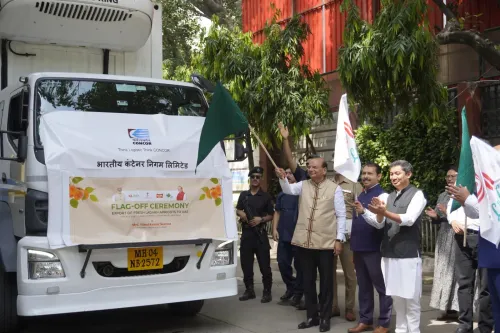
Union Commerce and Industry Minister Piyush Goyal said India has shipped its first-ever sea consignment of botanical-infused, ready-to-cook millet functional foods to New Zealand, facilitated by APEDA. He linked the export to the Modi government's Shree Anna campaign to globalise millets and create new opportunities for Indian farmers and agri-food entrepreneurs.
Key Takeaways
India has dispatched its first sea shipment of botanical-infused, ready-to-cook millet functional foods to New Zealand.
The consignment was facilitated by APEDA, the export promotion body under the Commerce Ministry.
Union Minister Piyush Goyal linked the export to the Modi government's Shree Anna millet branding push.
Millets were rebranded as Shree Anna in the 2023-24 Budget, following the UN's 2023 International Year of Millets.
Value-added, ready-to-cook formats target premium health-food consumers in developed markets.
Beneficiaries include dryland millet farmers across Karnataka, Odisha, Rajasthan, Maharashtra and Andhra Pradesh.
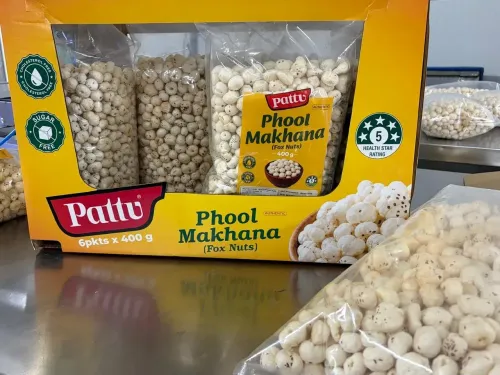
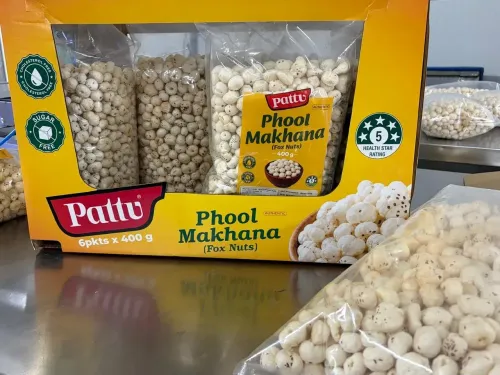
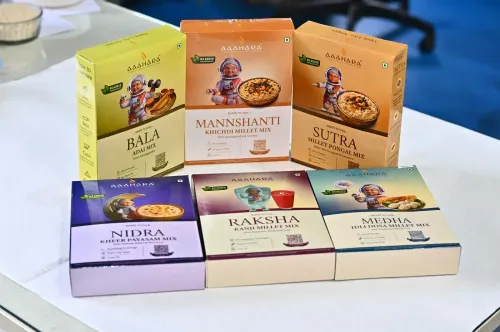
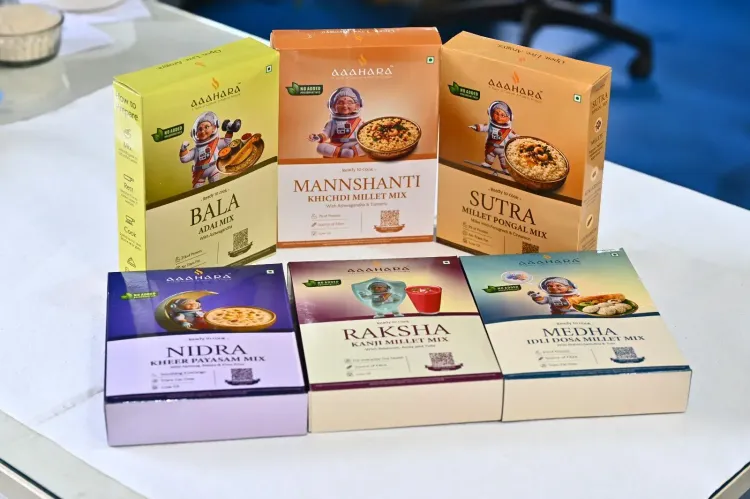
Union Commerce and Industry Minister Piyush Goyal on Wednesday announced that India has dispatched its first-ever sea shipment of botanical-infused, ready-to-cook millet functional foods to New Zealand, crediting the Agricultural and Processed Food Products Export Development Authority (APEDA) for facilitating the export. The minister framed the consignment as the latest milestone in the government's push to globalise Shree Anna (best grain), the official branding for millets. The post, accompanied by two images, was shared on X from his official handle.
'Small grain making big global impact!' Goyal wrote, adding that 'the Modi Government's efforts to popularise Shree Anna globally continue to create new opportunities for our farmers and entrepreneurs.' He congratulated APEDA, the nodal export promotion body under the Commerce Ministry, for enabling the shipment of value-added, ready-to-cook variants rather than raw grain.
Context
The shipment marks an incremental but symbolically important step in India's strategy to move millet exports up the value chain. Botanical-infused, ready-to-cook formats target health-conscious consumers in developed markets and command higher margins than bulk grain.
New Zealand is a relatively small but high-value destination for Indian agri-food exporters, with bilateral trade traditionally weighted towards dairy, wool and processed foods. A first-of-its-kind functional-food consignment signals that Indian processors are testing premium retail shelves in the Oceania region.
Policy backdrop
The Modi government rebranded millets as Shree Anna in the 2023-24 Union Budget, positioning the grain as central to nutrition security, climate-resilient agriculture and export diversification. India had earlier proposed that the United Nations declare 2023 as the International Year of Millets, a resolution adopted with sustained diplomatic backing.
Since then, APEDA has organised buyer-seller meets, reverse trade delegations and product showcases across multiple geographies to introduce ragi, jowar, bajra and foxtail millet to overseas buyers. Successive foreign trade policy updates have layered in incentives for millet processing units and export-oriented value addition.
The broader policy arc seeks to wean Indian agriculture off the rice-wheat monoculture, reduce groundwater stress in the northern plains and create new demand pools for dryland farmers who cultivate millets with minimal irrigation.
Stakeholders and impact
The most direct beneficiaries are millet farmers in states such as Karnataka, Odisha, Rajasthan, Maharashtra and Andhra Pradesh, where dryland cultivation dominates. A pull from premium export markets can stabilise farmgate prices and incentivise sowing.
Downstream, the shipment validates the business case for small and mid-sized agri-food processors developing functional, recipe-ready millet SKUs. Botanical infusions — typically herbs, spices or adaptogens — allow Indian brands to differentiate against established global health-food labels.
For APEDA, the dispatch adds to a growing portfolio of millet-led firsts that the agency has logged across Europe, the Gulf and now the Pacific. Each new market opened by sea, as opposed to air freight, also indicates that volumes and shelf-life economics are starting to make commercial sense.
What's next
Trade watchers will look for follow-on consignments to New Zealand and neighbouring Australia, as well as any movement on bilateral trade or sanitary and phytosanitary protocols that could ease repeat shipments. The government is also expected to continue its global outreach through trade fairs and chef-led product demonstrations.
If the New Zealand pilot translates into recurring orders, it could become a template for Indian millet exports to other Commonwealth and OECD markets — turning a heritage grain into a steady foreign-exchange earner for smallholders.
Point of View
Branded SKUs in high-income markets. By spotlighting a sea shipment rather than air freight, the government is signalling that millet exports are graduating from showcase volumes to commercially viable scale. The Shree Anna campaign has so far been heavy on diplomacy and lighter on demonstrable export receipts; consignments like this one are how the narrative gets converted into trade data. Sustained traction, however, will depend on repeat buyers, SPS clearances and whether Indian processors can hold shelf space against entrenched global health-food brands.
NationPress
18 Oct 2026
Frequently Asked Questions
What did Piyush Goyal announce about millet exports to New Zealand?
Union Commerce and Industry Minister Piyush Goyal announced India's first-ever sea shipment of botanical-infused, ready-to-cook millet functional foods to New Zealand. He said APEDA facilitated the export and credited the Modi government's Shree Anna campaign for creating such opportunities.
What role does APEDA play in millet exports?
APEDA, the Agricultural and Processed Food Products Export Development Authority, is the nodal body under the Commerce Ministry for promoting agri-food exports. It facilitates buyer-seller meets, market access, certification support and logistics for products like millets.
Why is India pushing millets globally?
India is promoting millets to diversify away from the rice-wheat cropping pattern, support dryland farmers, address climate resilience and tap higher-value export markets. India also proposed the UN International Year of Millets in 2023 to anchor its global outreach.
Which Indian states benefit most from rising millet exports?
Karnataka, Odisha, Rajasthan, Maharashtra and Andhra Pradesh are among the leading millet-producing states and stand to benefit most. Higher export demand can stabilise farmgate prices for smallholders cultivating ragi, jowar, bajra and foxtail millet.