Goyal Marks 12 Years of Youth-Led Startup Growth

Synopsis
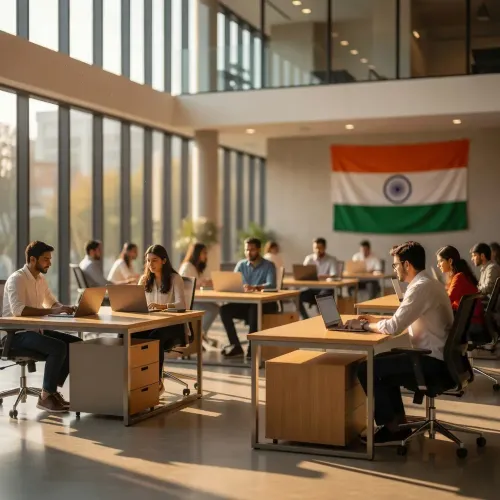
Commerce Minister Piyush Goyal marked twelve years of youth-led startup growth in India on 9 June 2026, crediting young entrepreneurs for converting dreams into ventures and ventures into success, as part of the BJP government's #12YearsOfSeva campaign.
Key Takeaways
Commerce Minister Piyush Goyal posted on 9 June 2026 celebrating 12 years of youth-driven startup growth under #12YearsOfSeva .
The post states India's youth have turned 'dreams into startups, and startups into success' over the past twelve years.
The Startup India initiative, launched on 16 January 2016 , is the flagship scheme underpinning this growth narrative.
India is recognised as the world's third-largest startup ecosystem , driven by DPIIT-backed reforms and digital infrastructure investment since 2014 .
Policy focus is expected to shift toward AI and deep tech regulatory frameworks and startup provisions in the next Union Budget .
Union Commerce and Industry Minister Piyush Goyal on Tuesday, 9 June 2026 celebrated twelve years of youth-driven entrepreneurship in India, crediting the country's young population with transforming aspirations into thriving startups under the #12YearsOfSeva banner.
Context
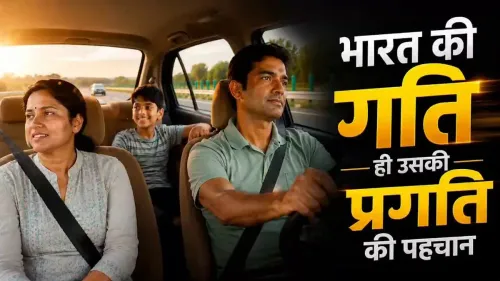
Goyal's post, shared in Hindi, reads: '12 varshon mein Bharat ke yuvaon ne sapnon ko startups mein aur startups ko safalta mein badla hai' — 'In 12 years, India's youth have turned dreams into startups, and startups into success.' The message was accompanied by a video and forms part of a coordinated government communication drive marking twelve years of the Narendra Modi-led administration.
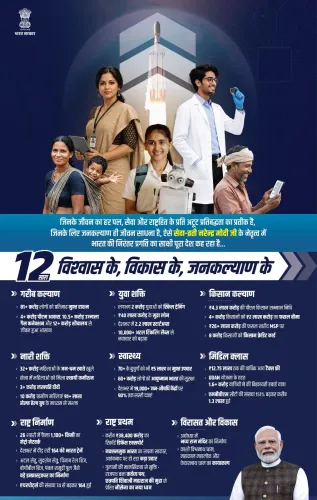
The hashtag #12YearsOfSeva — meaning '12 years of service' — has been used across BJP leadership's social media to highlight governance milestones since May 2014, when the current government first came to power.
Policy Backdrop
The cornerstone of India's startup push is the Startup India initiative, formally launched on 16 January 2016, which streamlined registration processes, introduced tax holidays for eligible startups, and expanded access to early-stage funding. The programme sits under the Department for Promotion of Industry and Internal Trade (DPIIT), which Goyal's ministry oversees.
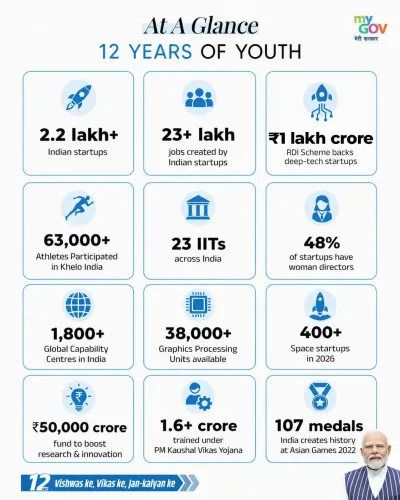
Since 2014, successive policy interventions — spanning digital public infrastructure, regulatory sandboxes, and venture-funding incentives — have been credited with positioning India as the world's third-largest startup ecosystem. Official DPIIT data have recorded a sharp rise in recognised startups and unicorns over this period, reflecting the administration's stated goal of converting India's demographic dividend into economic output.
Stakeholders and Impact
The primary beneficiaries of this policy arc are young Indian entrepreneurs, particularly first-generation founders from Tier-2 and Tier-3 cities who have accessed government-backed incubators, fund-of-funds support, and simplified compliance norms. The startup ecosystem's growth has also created downstream employment, drawing in investors and deepening India's venture capital market.
Critics and industry observers have, over the years, called for deeper reforms in areas such as ease of winding up, labour-law flexibility, and access to late-stage domestic capital — issues that remain on the policy agenda as the ecosystem matures into deep-tech and AI-driven sectors.
What's Next
Attention will now turn to whether the government translates this anniversary momentum into concrete policy action. Analysts are watching for startup-related provisions in the next Union Budget and any new regulatory frameworks for emerging sectors, including artificial intelligence and deep tech. Goyal's ministry is expected to remain central to shaping those frameworks, and the minister's public messaging signals continued political priority for entrepreneurship as a pillar of India's economic narrative.
Point of View
Tying the BJP government's twelve-year tenure directly to India's startup boom — a narrative that resonates strongly with urban, aspirational voters. By foregrounding youth enterprise, the minister reinforces a core pillar of the Modi administration's economic identity: that structural reforms, not just macroeconomic cycles, drove India's rise to the world's third-largest startup ecosystem. The timing, aligned with a coordinated #12YearsOfSeva campaign, suggests the government is building a policy-achievement case ahead of future electoral and budgetary cycles. Whether this momentum translates into fresh legislative action on deep tech, AI governance, or startup exit norms will determine if the anniversary rhetoric carries substantive weight.
NationPress
23 Oct 2026
Frequently Asked Questions
What is the Startup India initiative?
Startup India is a flagship government programme launched on 16 January 2016 to simplify startup registration, provide tax benefits, and improve access to early-stage funding for new ventures in India. It is administered by the DPIIT under the Ministry of Commerce and Industry.
What did Piyush Goyal say about startups on 9 June 2026?
Goyal posted on X that 'In 12 years, India's youth have turned dreams into startups, and startups into success,' as part of the #12YearsOfSeva campaign marking twelve years of the Modi government.
How many startups has India produced in 12 years?
Official DPIIT data have recorded a sharp rise in recognised startups and unicorns since 2014 , positioning India as the world's third-largest startup ecosystem . Specific current figures for 2026 are subject to official government releases.
What is #12YearsOfSeva?
#12YearsOfSeva — meaning '12 years of service' — is a social media campaign by BJP leadership marking twelve years since the Narendra Modi government came to power in May 2014 , highlighting governance and policy milestones.
What startup policies can be expected from the government next?
Policy watchers are tracking startup-related provisions in the next Union Budget and potential new regulatory frameworks for artificial intelligence and deep tech sectors, both flagged as priority areas by the Commerce Ministry.