Goyal Joins Welfare Camp in Mumbai's Kandivali
Synopsis
Union Minister Piyush Goyal attended a Jan Kalyan Samadhan Shivir at Kandivali's Mahila Aadhar Bhavan on 21 June 2026, connecting Mumbai residents — especially women — to central and state government welfare schemes, reaffirming the government's last-mile delivery push.
Key Takeaways
Union Minister Piyush Goyal participated in a Jan Kalyan Samadhan Shivir at Mahila Aadhar Bhavan, Kandivali, Mumbai on 21 June 2026 .
The camp aimed to connect citizens to various central and state government welfare schemes in a single-window format.
The venue's focus on women made female residents a primary target group for scheme enrolment and grievance redressal.
Aadhaar -enabled linkage and Direct Benefit Transfer (DBT) form the backbone of such outreach camps nationally.
Goyal underscored 'reaching the last person' as the core principle driving the government's welfare outreach efforts.
Similar camps across Maharashtra are expected to be tracked for enrolment data and parliamentary scrutiny.
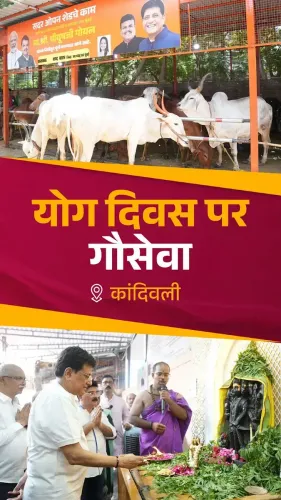
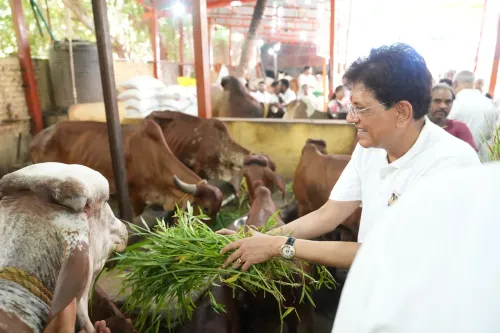
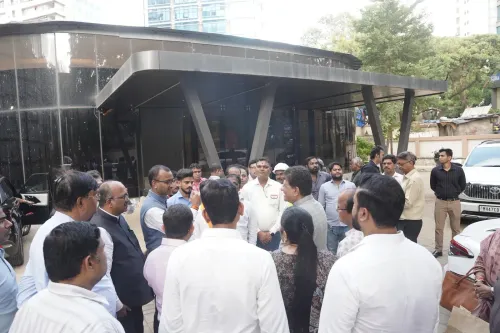
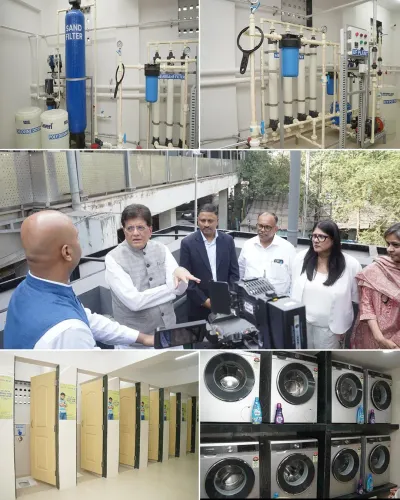
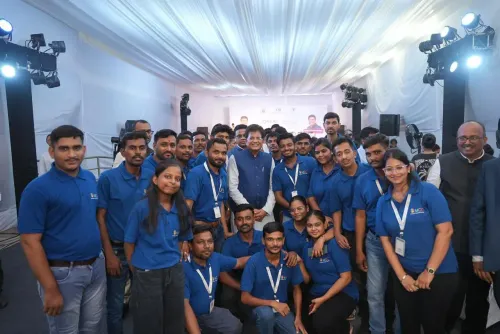
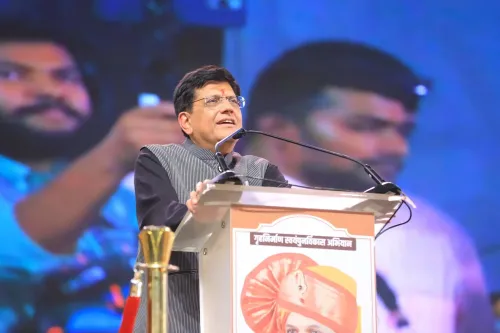
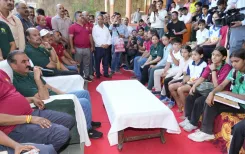
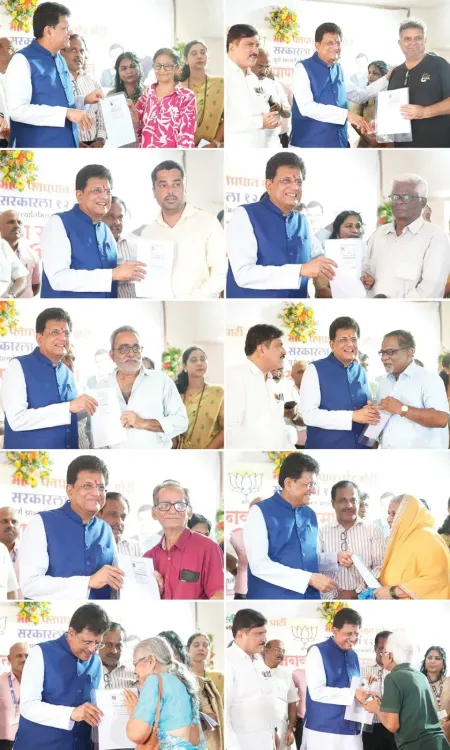
Union Commerce and Industry Minister Piyush Goyal on Sunday, 21 June 2026, participated in a Jan Kalyan Samadhan Shivir (public welfare resolution camp) held at the Mahila Aadhar Bhavan in Kandivali, Mumbai, where citizens were connected to a range of central and state government welfare schemes.
Context
Writing on X, Minister Goyal stated: 'जनसेवा और अंतिम व्यक्ति तक योजनाओं का लाभ पहुँचाना ही हमारे प्रयासों का मूल मंत्र है' — 'Public service and ensuring that the benefits of schemes reach the last person is the core mantra of our efforts.' The camp was organised at the Mahila Aadhar Bhavan, a women-focused civic facility in the Kandivali suburb of Mumbai, and drew residents seeking linkage to government programmes.
Policy Backdrop
The Jan Kalyan Samadhan Shivir format is part of a broader administrative approach that uses localised outreach camps to bridge the gap between eligible citizens and welfare delivery. India's Direct Benefit Transfer (DBT) mechanism, scaled nationally from 2013, was designed to reduce leakages and ensure subsidies, pensions, and identity-linked services reach intended beneficiaries directly. Following a 2018 Supreme Court judgment upholding Aadhaar's use for targeted welfare, the biometric identity system has been central to enrolment drives across both rural and urban constituencies.
Such camps have become a recurring feature of constituency-level outreach, allowing officials and party workers to register grievances, facilitate Aadhaar linkage, and enrol citizens in schemes covering health cover, food security, and financial inclusion — all in a single-window format.
Stakeholders and Impact
The primary beneficiaries of the Kandivali camp were Mumbai residents, with a particular focus on women given the venue's character as a Mahila Aadhar Bhavan. Urban welfare delivery has historically faced challenges distinct from rural settings — including fragmented documentation, migrant populations, and lower awareness of entitlements — making targeted urban camps an important tool. The event aligns with the central government's stated goal of 'maximum governance, minimum government,' pushing scheme saturation in densely populated urban pockets of Maharashtra.
What's Next
The effectiveness of such camps is typically measured through enrolment figures and follow-up grievance resolution rates. Observers will watch for data on beneficiary numbers from similar outreach drives across Maharashtra, as well as any parliamentary discussion on urban welfare delivery metrics in the upcoming session. For Piyush Goyal, who represents Maharashtra in the Rajya Sabha and is Leader of the House, such ground-level engagement also reinforces his political connect with the state's urban electorate ahead of future electoral cycles.
Point of View
Using welfare delivery events to maintain political visibility in urban Maharashtra — a battleground the BJP has worked hard to consolidate. The choice of a women-focused venue is deliberate, echoing the party's broader outreach to female voters through scheme-linked benefits. For Piyush Goyal, who holds the dual weight of a national commerce portfolio and Rajya Sabha leadership, such grassroots engagements serve to reinforce his Maharashtra identity. The event also reflects the administration's continued bet that Aadhaar-anchored, camp-based delivery can address urban welfare gaps that formal bureaucratic channels have historically struggled to close.
NationPress
21 Jun 2026
Frequently Asked Questions
What is a Jan Kalyan Samadhan Shivir?
A Jan Kalyan Samadhan Shivir is a public welfare and grievance redressal camp where citizens can register complaints and get enrolled in government schemes — often with Aadhaar linkage — at a single location, reducing the need to visit multiple government offices.
Where was Piyush Goyal's welfare camp held on 21 June 2026?
The camp was held at Mahila Aadhar Bhavan in Kandivali, a suburban locality in Mumbai, Maharashtra.
Which citizens benefit from these government welfare camps?
Residents who are eligible for but not yet enrolled in central or state schemes — covering subsidies, pensions, health cover, and food security — benefit most, with a particular focus at this event on women given the venue's character.
What role does Aadhaar play in welfare camp enrolments?
Aadhaar serves as the primary authentication tool for linking citizens to Direct Benefit Transfer-enabled schemes; following a 2018 Supreme Court ruling, it is central to targeted welfare delivery across India.
What is Piyush Goyal's political role beyond his ministry?
Piyush Goyal is a senior BJP leader who serves as Leader of the House in the Rajya Sabha, in addition to holding the Union Commerce and Industry portfolio.