Piyush Goyal marks 12 years of Garib Kalyan welfare push
Synopsis
Union Minister Piyush Goyal marked twelve years of the BJP government's Garib Kalyan welfare agenda on June 8, 2026, invoking the promise of dignity for the poor and well-being for every family, as the party highlights its record on food security, financial inclusion, and direct benefit transfers.
Key Takeaways
Piyush Goyal posted on X on June 8, 2026 , marking #12YearsOfGaribKalyan with the message 'From poverty to dignity, welfare for every family.' The Garib Kalyan umbrella covers programmes launched since 2014 , including PM Jan Dhan Yojana and PM Garib Kalyan Anna Yojana .
PMGKAY was introduced in 2020 to provide free foodgrain to National Food Security Act beneficiaries during the COVID-19 pandemic.
Direct Benefit Transfer reforms from 2014 onward aimed to reduce leakages and deliver subsidies directly to poor households.
As Leader of the House in Rajya Sabha , Goyal's post signals the party's intent to highlight its welfare record in upcoming parliamentary and electoral cycles.
Union Commerce and Industry Minister Piyush Goyal on Monday, June 8, 2026, marked twelve years of the Garib Kalyan welfare agenda with a post on X, invoking the government's commitment to dignity for the poor and well-being for every family.
Context
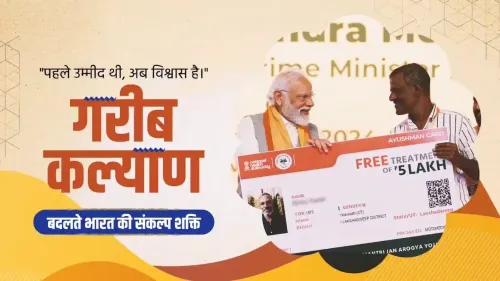
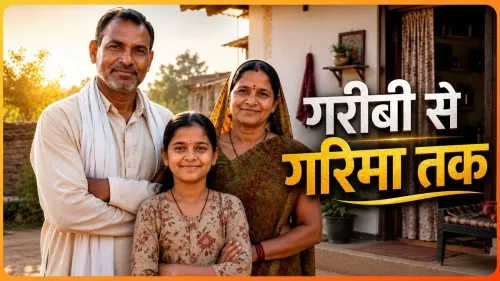
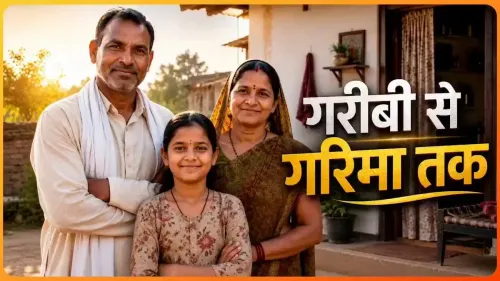
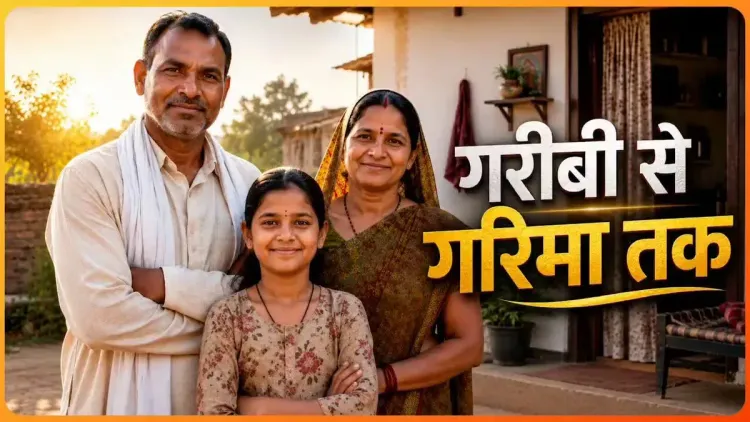
Goyal's post, captioned 'Garib se garima tak, har varg ka samman, har parivar ka kalyan' ('From poverty to dignity, respect for every section, welfare for every family'), was accompanied by the hashtag #12YearsOfGaribKalyan. The message marks a milestone in the BJP-led government's welfare narrative that began when Prime Minister Narendra Modi assumed office in 2014.
The phrase 'Garib Kalyan' — literally 'welfare of the poor' — has served as an umbrella identity for a cluster of social programmes spanning food security, financial inclusion, and direct cash transfers aimed at lower-income households across India.
Policy Backdrop
The twelve-year arc covers several flagship interventions. The Pradhan Mantri Jan Dhan Yojana, launched in 2014, brought banking access to previously unbanked households, enabling the Direct Benefit Transfer architecture that now channels subsidies directly to beneficiaries and reduces leakages.
The PM Garib Kalyan Anna Yojana (PMGKAY), introduced in 2020 during the COVID-19 pandemic, extended free foodgrain distribution to beneficiaries covered under the National Food Security Act. The scheme became a centrepiece of the government's pandemic-relief response and has since been cited repeatedly in the ruling party's political messaging.
Direct Benefit Transfer reforms, rolled out from 2014 onward, have been presented by the government as a structural shift away from intermediary-dependent delivery, ensuring that welfare reaches intended recipients more efficiently.
Stakeholders and Impact
The primary beneficiaries of these programmes are poor and low-income households — including rural families dependent on subsidised rations, migrant workers, and unbanked populations who gained formal financial access through Jan Dhan accounts.
As Leader of the House in the Rajya Sabha, Goyal occupies a central position in steering legislative business, and his amplification of the #12YearsOfGaribKalyan campaign signals the party's intent to foreground its welfare record ahead of parliamentary sessions and electoral cycles. The messaging aligns with a broader BJP strategy of linking governance outcomes to the 'dignity' frame rather than purely transactional benefit delivery.
What's Next
Parliamentary debates in upcoming sessions are expected to revisit the funding and extension of food security programmes, with possible new phases or budget allocations for Garib Kalyan initiatives in the next fiscal exercise. The anniversary campaign is likely to intensify as the government seeks to consolidate its welfare narrative among lower-income voters ahead of future elections.
How the government translates this messaging into concrete policy announcements — whether through scheme extensions, enhanced allocations, or new beneficiary categories — will determine whether the 'Garib se garima' slogan gains fresh policy weight beyond its commemorative framing.
Point of View
Using the 'dignity' frame to elevate welfare delivery above mere transactional benefit. The twelve-year marker allows the party to present a cumulative narrative — Jan Dhan, DBT, PMGKAY — as a coherent, long-arc social contract rather than discrete schemes. Coming from the Leader of the House in Rajya Sabha, the messaging carries institutional weight and is calibrated to pre-empt opposition critiques of inequality by anchoring the debate on reach and intent. Whether this narrative holds will depend on the government's ability to back the slogan with fresh policy commitments in the near term.
NationPress
20 Sept 2026
Frequently Asked Questions
What is Garib Kalyan and why is it trending in 2026?
'Garib Kalyan' refers to the BJP government's umbrella welfare agenda launched in 2014, covering food security, financial inclusion, and direct benefit transfers. It is trending because the government and senior ministers like Piyush Goyal are marking twelve years of these initiatives with the hashtag #12YearsOfGaribKalyan.
What is PM Garib Kalyan Anna Yojana?
PM Garib Kalyan Anna Yojana (PMGKAY) is a free foodgrain distribution scheme introduced in 2020 during the COVID-19 pandemic to support households covered under the National Food Security Act.
What did Piyush Goyal post about Garib Kalyan?
Piyush Goyal posted on X on June 8, 2026, with the message 'From poverty to dignity, respect for every section, welfare for every family,' marking twelve years of the Garib Kalyan welfare agenda.
What is Pradhan Mantri Jan Dhan Yojana?
Pradhan Mantri Jan Dhan Yojana is a financial inclusion scheme launched in 2014 to provide banking access to previously unbanked poor households, forming the backbone of the Direct Benefit Transfer infrastructure.
Will Garib Kalyan schemes be extended in 2026?
Parliamentary debates in upcoming sessions are expected to address the funding and possible extension of Garib Kalyan programmes, though no specific announcements have been confirmed as of June 8, 2026.