FM Sitharaman marks 12 years of Modi govt welfare push
Synopsis
Union Finance Minister Nirmala Sitharaman marked twelve years of the Modi government's Garib Kalyan welfare push on June 8, 2026, framing the period as a transformation 'from poverty to dignity' anchored by Jan Dhan, Ujjwala, PM-KISAN, and free foodgrain schemes.
Key Takeaways
Union Finance Minister Nirmala Sitharaman posted on June 8, 2026 to mark #12YearsOfGaribKalyan .
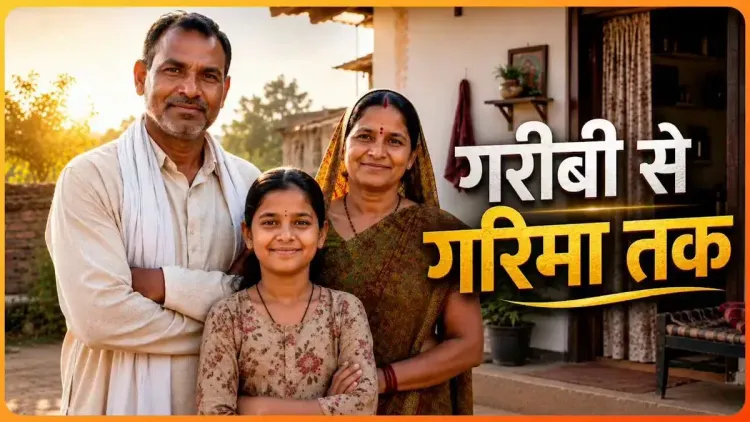
The Hindi post translates as: 'From poverty to dignity, the Modi government has transformed the lives of common people.' Pradhan Mantri Jan Dhan Yojana (August 2014) brought zero-balance banking to unbanked households.
PM Garib Kalyan Anna Yojana , launched in 2020, has provided free foodgrain and been extended through successive Union Budgets.
The Direct Benefit Transfer mechanism uses Aadhaar-linked accounts to route welfare payments directly to beneficiaries.
The next Union Budget's welfare outlays will be a key test of the government's commitment to the Garib Kalyan framework.
Union Finance Minister Nirmala Sitharaman on Monday, June 8, 2026, invoked the hashtag #12YearsOfGaribKalyan to mark twelve years of the Modi government's welfare agenda, framing the period as a journey 'from poverty to dignity' for ordinary Indians.
Context
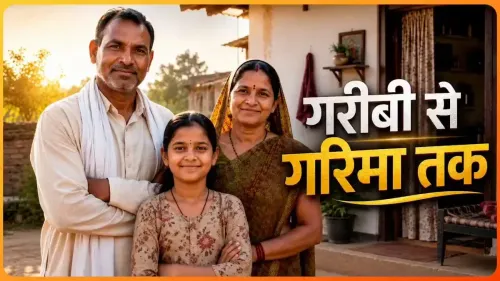
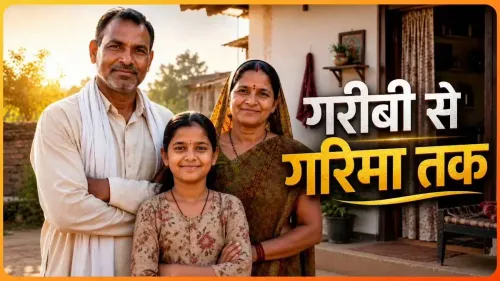
Sitharaman's post, written in Hindi, reads: 'Garibi se garima tak, Modi sarkar ne badla aam janmanas ka jeevan' — 'From poverty to dignity, the Modi government has transformed the lives of common people.' The message is part of a coordinated BJP social-media campaign marking the completion of twelve years since Narendra Modi first took office as Prime Minister in May 2014.
The #12YearsOfGaribKalyan hashtag anchors the party's messaging around a suite of welfare programmes that have been collectively branded under the 'Garib Kalyan' (welfare of the poor) umbrella since 2014.
Policy Backdrop
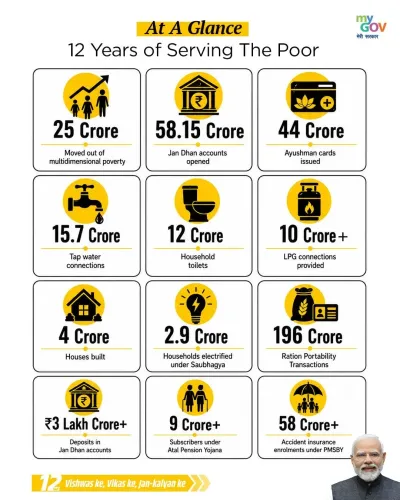
The 'Garib Kalyan' policy frame encompasses several flagship initiatives launched over the past twelve years. Pradhan Mantri Jan Dhan Yojana, launched in August 2014, aimed to bring unbanked households into the formal financial system through zero-balance accounts. Pradhan Mantri Ujjwala Yojana, rolled out in May 2016, extended LPG cooking-gas connections to below-poverty-line families.
PM-KISAN, introduced in February 2019, provides direct income support to landholding farmer families. The PM Garib Kalyan Anna Yojana, first announced in 2020 and extended through successive Union Budgets, has supplied free foodgrain to priority households across the country.
Underpinning these schemes is the Direct Benefit Transfer mechanism, which uses Aadhaar-linked bank accounts to route subsidies and welfare payments directly to beneficiaries, reducing leakage in the delivery chain.
Stakeholders and Impact
The primary beneficiaries of the Garib Kalyan suite are poor and rural households, particularly those without prior access to banking, cooking fuel, or food-security cover. The government has consistently argued that technology-driven targeting through DBT has improved the precision and reach of welfare spending.
As Finance Minister, Sitharaman has been the principal architect of the budgetary allocations that fund these programmes. Her post signals the government's intent to keep welfare delivery central to its political and economic narrative as it crosses the twelve-year mark.
What's Next
Attention will now turn to the next Union Budget, where welfare outlays — including any extension or expansion of the PM Garib Kalyan Anna Yojana — will be closely watched. Parliamentary committees are also expected to review the coverage and effectiveness of DBT transfers and food-security entitlements in the coming legislative session. The government's ability to sustain and deepen this welfare architecture will be a key metric by which the Garib Kalyan decade is ultimately judged.
Point of View
Tying together disparate schemes under a single moral arc of upliftment. By anchoring this milestone message to the Finance Ministry, the government signals that welfare spending will remain a fiscal priority, not a concession to populism. The forward question is whether the next Budget translates this rhetoric into expanded allocations or consolidates existing programmes under tighter fiscal targets.
NationPress
20 Sept 2026
Frequently Asked Questions
What is #12YearsOfGaribKalyan?
#12YearsOfGaribKalyan is a BJP social-media campaign marking twelve years since Narendra Modi became Prime Minister in May 2014, highlighting welfare schemes launched under the 'Garib Kalyan' (welfare of the poor) banner.
What schemes come under Garib Kalyan?
The Garib Kalyan umbrella covers several flagship programmes including Pradhan Mantri Jan Dhan Yojana (financial inclusion), PM Ujjwala Yojana (LPG connections), PM-KISAN (farmer income support), and PM Garib Kalyan Anna Yojana (free foodgrain distribution).
What did Nirmala Sitharaman say about Garib Kalyan?
Sitharaman posted in Hindi on June 8, 2026, saying 'From poverty to dignity, the Modi government has transformed the lives of common people,' using the hashtag #12YearsOfGaribKalyan.
What is PM Garib Kalyan Anna Yojana?
PM Garib Kalyan Anna Yojana is a free foodgrain distribution scheme first announced in 2020 and extended through successive Union Budgets to provide subsidised rations to priority households across India.
What is Direct Benefit Transfer in India?
Direct Benefit Transfer (DBT) is an Aadhaar-linked mechanism scaled up after 2014 to route government subsidies and welfare payments directly into beneficiaries' bank accounts, reducing leakage in welfare delivery.