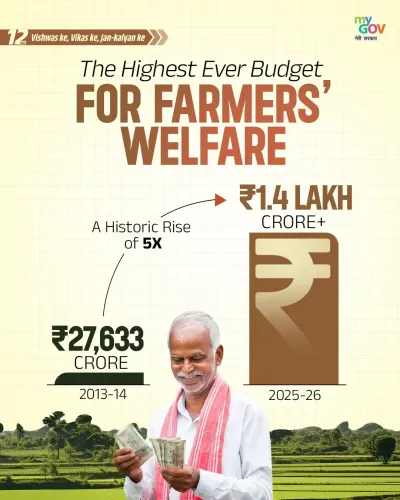
FM Sitharaman Marks 12 Years of NDA Farmer Welfare Reforms
Synopsis
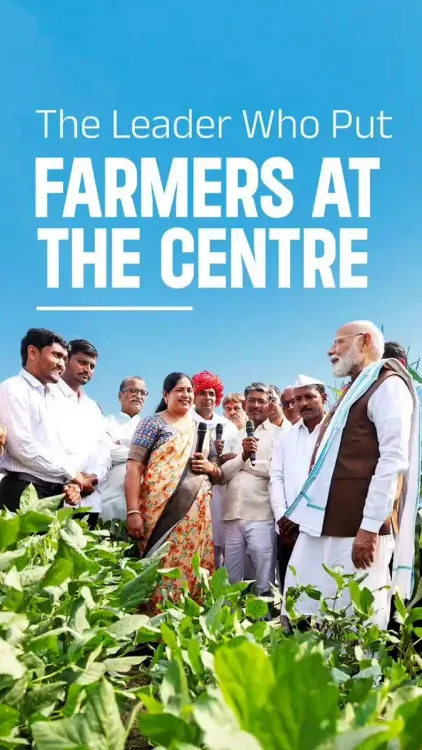
Union Finance Minister Nirmala Sitharaman marked 12 years of NDA farmer welfare reforms on 11 June 2026, citing PM-led policy support for India's Annadatas. The post spotlights flagship schemes like PM-KISAN, Soil Health Cards, and e-NAM as pillars of a sustained agrarian welfare push since 2014.
Key Takeaways
Union Finance Minister Nirmala Sitharaman posted on 11 June 2026 marking 12 years of NDA farmer welfare reforms under PM Narendra Modi .
The hashtag #12YearsOfKisanSamriddhi anchors a broader BJP communication campaign around 12 years of continuous NDA rule since 2014 .
The PM-KISAN scheme (launched February 2019 ) provides Rs 6,000 annual direct income support to eligible landholding farmer families.
Other key reforms include the Soil Health Card scheme (2015) and the e-NAM digital mandi platform (2016) .
The Finance Ministry's participation underscores the fiscal dimension of the government's agrarian welfare agenda.
Agriculture allocations in the next Union Budget and PM-KISAN disbursement updates will be key indicators of continued policy commitment.
Union Finance Minister Nirmala Sitharaman on Thursday, 11 June 2026, took to X to highlight the transformative impact of sustained agricultural reforms under the NDA government, led by Prime Minister Narendra Modi, marking the occasion with the hashtag #12YearsOfKisanSamriddhi — broadly translating to '12 Years of Farmer Prosperity.'
Context
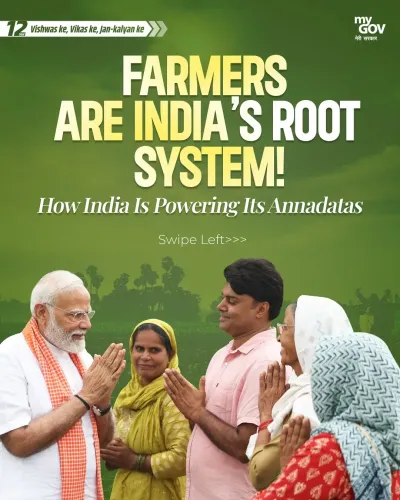
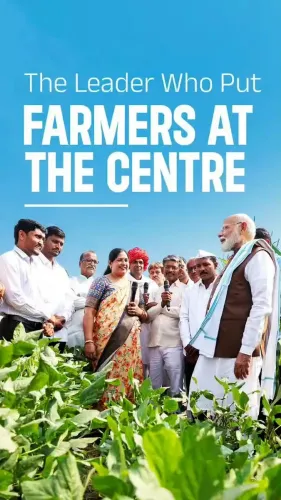
Sitharaman's post stated: 'Sustained reforms and dedicated support from the NDA Government, led by Hon'ble PM Shri Narendra Modi, are transforming the lives of our Annadatas.' The word Annadatas — literally 'providers of food' — is a respectful term used in Indian political discourse for farmers. The post was accompanied by a video, signalling a structured communication push around the 12-year milestone.
The hashtag marks 12 years of the NDA government's continuous tenure at the Centre since 2014, framing the period as one of consolidated farmer-centric policymaking. Senior ministers across the BJP have amplified similar messaging, with the Finance Ministry's participation underscoring the fiscal dimension of agrarian welfare.
Policy Backdrop
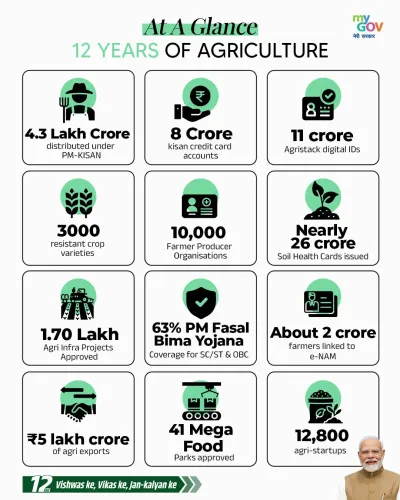
The NDA government's farm-support architecture rests on several flagship interventions. The PM-KISAN scheme, launched in February 2019, provides an annual direct income support of Rs 6,000 to eligible landholding farmer families through direct benefit transfers, bypassing intermediaries. Since its rollout, the scheme has become one of the largest direct-transfer programmes for the agricultural sector in India.
Earlier reforms include the Soil Health Card scheme introduced in 2015, which aimed to improve per-acre productivity by giving farmers personalised nutrient advisories, and the e-NAM (electronic National Agriculture Market) platform launched in 2016 to integrate mandis digitally and improve price discovery for farmers. Together, these measures represent a policy mix of income support, productivity enhancement, and market access.
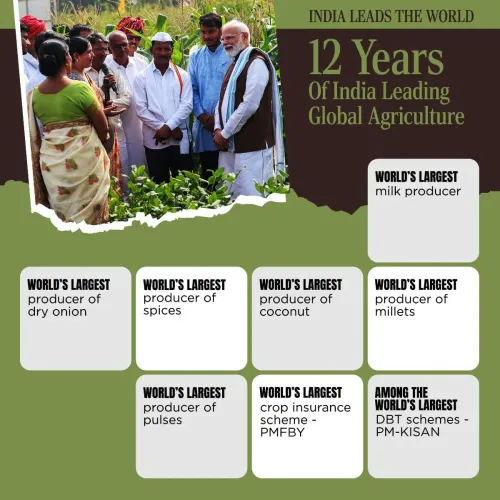
The Finance Ministry's role has been central to this agenda, with successive Union Budgets allocating significant resources toward agriculture infrastructure, crop insurance under the Pradhan Mantri Fasal Bima Yojana (PMFBY), and rural credit expansion.
Stakeholders and Impact
The primary beneficiaries of these reforms are small and marginal farmers, who constitute the overwhelming majority of India's agricultural households. Direct benefit transfers under PM-KISAN have reached tens of millions of families, reducing dependence on informal credit and providing a consumption floor during crop stress periods.
Rural agricultural households across states have been the focus of implementation, with state governments acting as co-delivery partners for several centrally sponsored schemes. The framing of farmers as Annadatas — food providers deserving state support — has also shaped the political communication around these policies, positioning welfare spending as an acknowledgment of farmers' foundational economic role.
What's Next
Agriculture allocations in the forthcoming Union Budget will be closely watched as a signal of the government's continued commitment to farmer welfare beyond the 12-year milestone. Implementation updates on PM-KISAN disbursements and PMFBY coverage are expected to feature in official communications in the coming weeks. Any new farmer-support announcements — whether expanded income transfers, enhanced crop insurance coverage, or new market infrastructure — will be read against the backdrop of this 12-year policy narrative that the NDA has now formally put on record.
Point of View
Deploying the Finance Ministry's authority to reinforce the BJP's agrarian welfare narrative at a politically symbolic 12-year mark. By foregrounding direct transfers and productivity schemes, the party is signalling that farm policy is not peripheral but central to its economic governance record. The timing and hashtag coordination suggest a wider government-wide communication offensive, likely aimed at consolidating rural voter sentiment ahead of electoral cycles. For analysts, the post is less about new policy and more about codifying an existing policy arc into a durable political identity.
NationPress
22 Sept 2026
Frequently Asked Questions
What is the #12YearsOfKisanSamriddhi hashtag about?
The hashtag marks 12 years of the NDA government's farmer welfare reforms since coming to power in 2014, highlighting schemes like PM-KISAN, Soil Health Cards, and e-NAM as key milestones in transforming the lives of Indian farmers.
What is the PM-KISAN scheme and who benefits from it?
PM-KISAN is a central government scheme launched in February 2019 that provides Rs 6,000 per year in direct income support to eligible landholding farmer families across India, credited directly to their bank accounts.
Why did Finance Minister Nirmala Sitharaman post about farmer welfare?
Sitharaman posted to mark the 12-year milestone of NDA governance, emphasising the fiscal and policy contributions of the government in improving farmer incomes and rural livelihoods under PM Narendra Modi's leadership.
What does 'Annadatas' mean in the context of Indian politics?
'Annadatas' is a Hindi term meaning 'providers of food' and is used as a respectful reference to farmers in Indian political discourse, acknowledging their foundational role in feeding the nation.
What farmer welfare schemes has the NDA government introduced since 2014?
Key schemes include PM-KISAN (direct income support, 2019), the Soil Health Card scheme (2015) for productivity improvement, e-NAM (2016) for digital market access, and the Pradhan Mantri Fasal Bima Yojana for crop insurance coverage.