Piyush Goyal launches task force to capture 5% global toy market by 2032
Synopsis
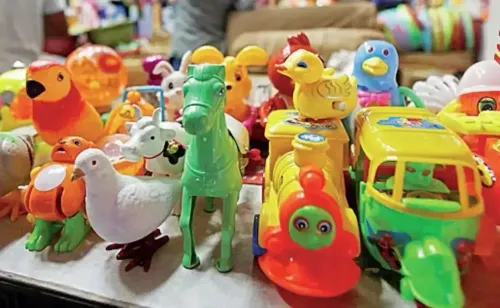
India is pivoting from toy import curbs to an export offensive. With a new task force, 21,000-plus MSMEs, and a hard target of 5% global market share by 2032, Commerce Minister Piyush Goyal has signalled that the government wants Indian toys on shelves worldwide — not just off Chinese ones.
Key Takeaways
Commerce Minister Piyush Goyal announced a toy sector task force on 27 July at a DPIIT event in New Delhi .
The task force targets a 5 per cent share of the global toy market by 2032 .
It will pursue six objectives : global value chain integration, manufacturing strength, bottleneck resolution, skilled workforce creation, design innovation, and ease of doing business.
India's toy ecosystem currently comprises more than 21,000 MSMEs , over 770 DPIIT-recognised startups , nearly 50 clusters , and more than 1,800 BIS licensees .
Pawan Goenka , Chairman of SCALE , highlighted export competitiveness and innovation as the primary levers to achieve the 2032 target.
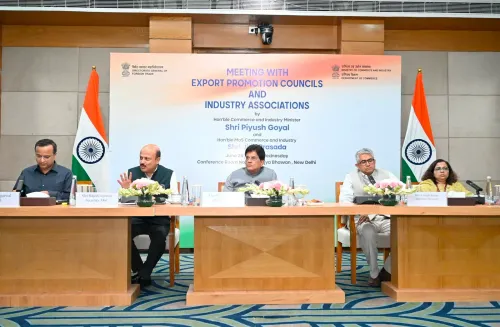
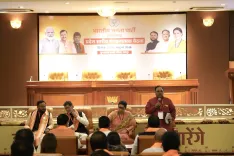
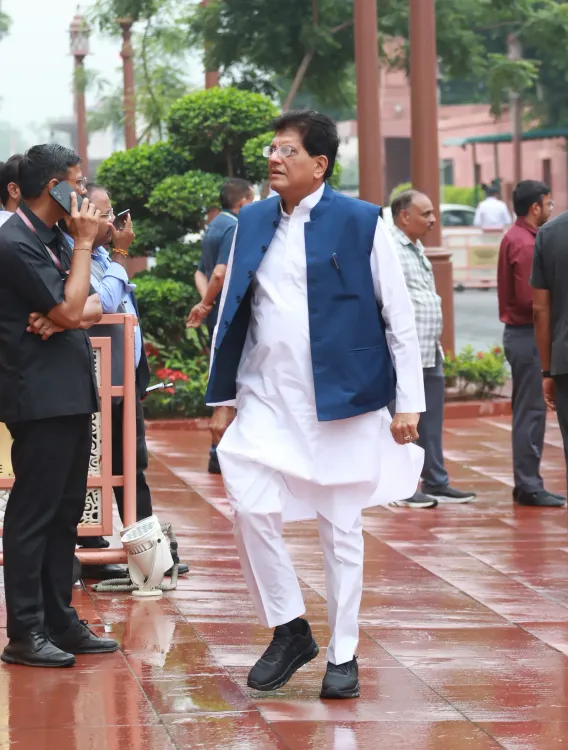
Commerce Minister Piyush Goyal on Monday, 27 July announced the formation of a dedicated task force to strengthen India's toy sector, with a clear mandate to help the country capture a 5 per cent share of the global toy market by 2032. The announcement was made at an event organised by the Department for Promotion of Industry and Internal Trade (DPIIT) in New Delhi.
Six Objectives of the Task Force
The task force has been assigned six core objectives: integration with global value chains, strengthening manufacturing capabilities, resolving value chain bottlenecks, creating a skilled workforce and employment, enabling design and innovation, and enhancing ease of doing business. Goyal described the toy sector's progress as a reflection of India's broader ambition towards Viksit Bharat.
The minister called on industry stakeholders to build a complete domestic manufacturing ecosystem backed by advanced technologies, globally competitive quality standards, deep localisation, stronger branding, and tighter integration with global supply chains.
Scale of India's Toy Ecosystem Today
Dr. Kajal, Joint Secretary at SCALE, DPIIT, outlined the current scale of India's toy industry: more than 21,000 MSMEs, over 770 DPIIT-recognised toy startups, nearly 50 toy clusters, and more than 1,800 BIS licensees. The sector has expanded significantly in recent years, aided by quality regulation through BIS certification, cluster development programmes, and targeted support for MSMEs and startups.
What the Government Said
Dr. Pawan Goenka, Chairman of SCALE, underscored the ambition of scaling India's global toy market share to 5 per cent by 2032 through enhanced scale, innovation, design capabilities, and export competitiveness. Goyal urged industry players to focus on innovation, design excellence, sustainability, and exports to build globally recognised Indian toy brands, positioning India as a leading hub for toy design, manufacturing, and exports.
Broader Industry Significance
This comes amid a sustained government push to reduce India's dependence on imported toys — particularly from China — that began gaining momentum around 2020 with import restrictions and mandatory quality norms. India's toy exports have grown notably since then, though the country's share of the roughly $100 billion global toy market remains modest. The task force signals a shift from defensive import substitution toward an offensive export-led strategy.
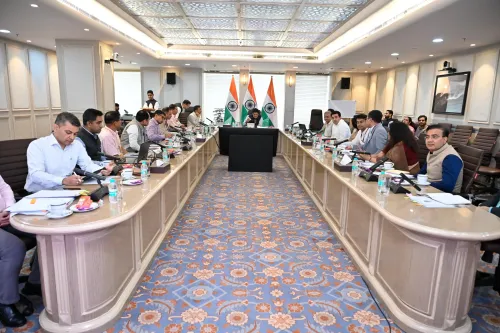
The event brought together policymakers, manufacturers, startups, investors, artisans, designers, and other stakeholders from across the toy ecosystem. Industry bodies are expected to submit their recommendations to the task force in the coming weeks.
Point of View
Despite 21,000 MSMEs, has not yet produced a single globally recognised brand. The real question is whether the task force will prioritise design and IP — the true value drivers in toys — or default to the familiar levers of subsidies and certification mandates. Without brand-building and design investment, India risks becoming a low-cost assembly node rather than a creative toy powerhouse.
NationPress
26 Oct 2026
Frequently Asked Questions
What is the toy sector task force announced by Piyush Goyal?
It is a government-mandated body announced on 27 July by Commerce Minister Piyush Goyal to strengthen India's toy industry and help it achieve a 5 per cent share of the global toy market by 2032. The task force will work across six objectives including manufacturing, exports, design, and ease of doing business.
What is India's current position in the global toy market?
India's share of the global toy market remains modest, though the sector has grown significantly since import restrictions were tightened around 2020. The country now has over 21,000 toy MSMEs and more than 770 DPIIT-recognised startups, but has yet to establish globally recognised Indian toy brands.
What are the six objectives of the toy sector task force?
The six objectives are: integration with global value chains, strengthening manufacturing capabilities, resolving value chain bottlenecks, creating a skilled workforce and employment, enabling design and innovation, and enhancing ease of doing business.
Who are the key officials involved in this initiative?
Commerce Minister Piyush Goyal announced the task force at the DPIIT event. Dr. Kajal, Joint Secretary at SCALE, DPIIT, outlined the ecosystem's scale, while Dr. Pawan Goenka, Chairman of SCALE, articulated the 2032 market share target.
How does this initiative build on existing government support for the toy sector?
It builds on earlier measures including mandatory BIS certification for quality regulation, cluster development programmes, and MSME and startup support schemes. The task force marks a shift from import substitution toward an active export-led growth strategy.