Goyal marks 12 years of Make in India going global
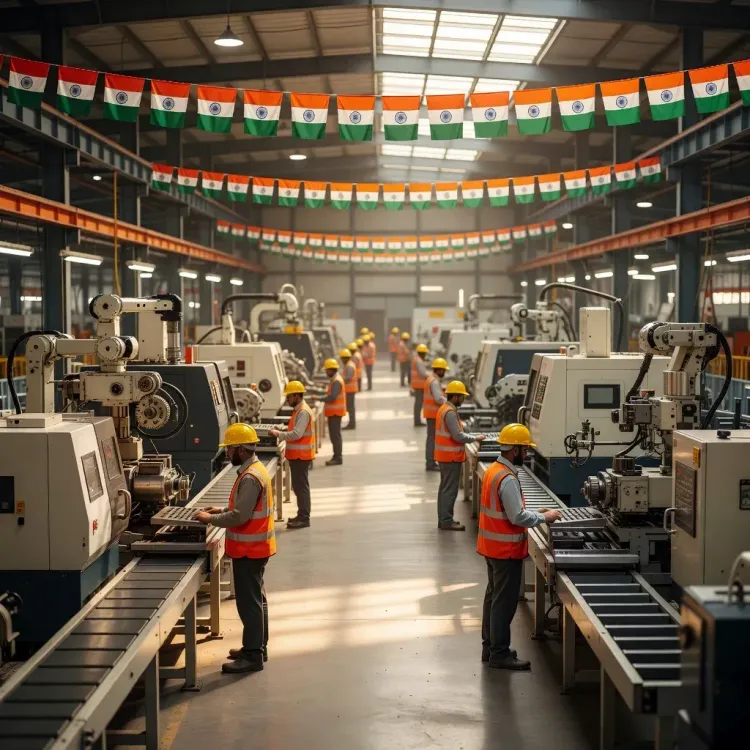
Synopsis
Union Commerce Minister Piyush Goyal marked the 12th anniversary of Make in India on 25 September 2026, declaring the flagship manufacturing scheme is now 'delivering worldwide' — a milestone framed against India's growing integration into global supply chains.
Key Takeaways
Make in India was launched on 25 September 2014 by Prime Minister Narendra Modi and marks its 12th anniversary today.
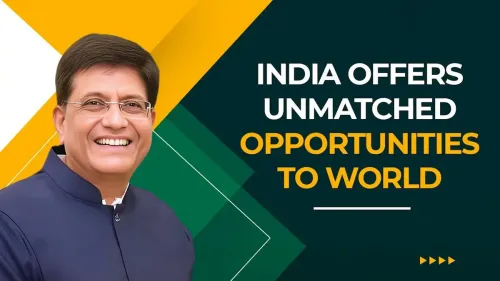
Union Minister Piyush Goyal used the anniversary to assert the scheme is delivering products to global markets, not just domestic ones.
The Production Linked Incentive (PLI) scheme has been central to attracting multinational manufacturing investment to India.
India's manufacturing policy has been bolstered by global supply-chain diversification trends reducing dependence on single-country production hubs.
Key forward indicators include new FDI inflow data and potential expansions of PLI eligibility to additional sectors.
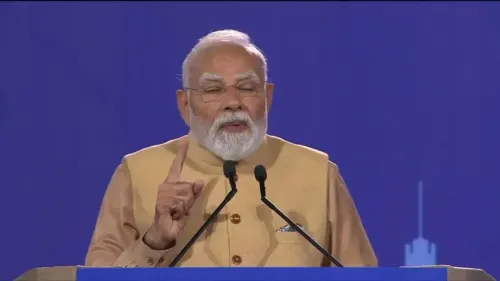
Twelve years after Prime Minister Narendra Modi launched one of independent India's most ambitious industrial bets, Union Commerce and Industry Minister Piyush Goyal marked the anniversary on Friday, 25 September 2026 with a pointed declaration: the programme is no longer just building for India — it is delivering for the world.
From a 2014 wager to a global supply-chain fact
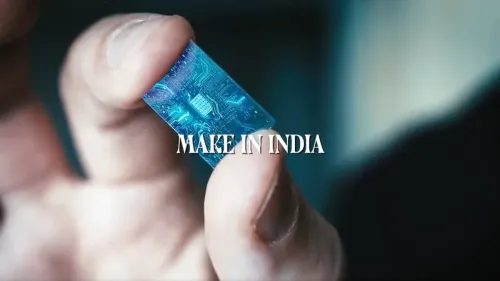
Make in India was unveiled on 25 September 2014 — exactly twelve years ago today — as an explicit challenge to the assumption that global manufacturing would forever concentrate in a single geography. The pitch was straightforward: open Indian factories to foreign capital, slash regulatory friction, and let the country's scale do the rest. What began as an aspiration is now, in the government's telling, a shipping reality.
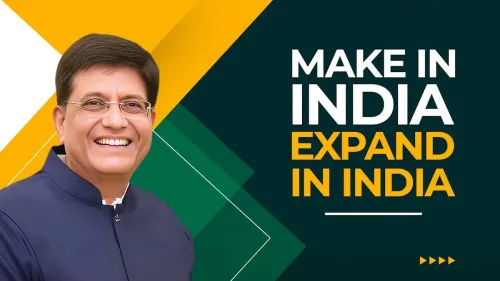
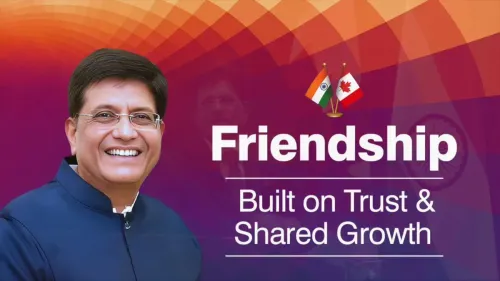
Minister Goyal's post, short and flags-forward, carries the hashtag #12YearsOfMakeInIndia. The brevity is deliberate. After a decade of contested data and incremental milestones, the anniversary message leans on momentum rather than numbers — a confident assertion that the direction of travel has been settled.
Why this anniversary lands differently
The global context matters. Supply-chain diversification — the push by multinational firms to reduce single-country dependence — has handed India a structural opening that no amount of domestic policy alone could have manufactured. Electronics, pharmaceuticals, defence components, and textiles have all seen fresh investment flows routed toward Indian production floors.
The Production Linked Incentive (PLI) scheme, layered atop Make in India's foundational framework, brought sector-specific cash-back incentives that gave multinationals a hard financial reason — not just a geopolitical one — to set up in India. The result is a manufacturing ecosystem that, while still short of its stated target of raising manufacturing's share of GDP to 25 per cent, is visibly more integrated into global value chains than it was in 2014.
What Goyal's Commerce Ministry watches next
The ministry's near-term lens is on two data points: fresh FDI inflow figures and any expansion of PLI eligibility to new sectors. Both will test whether the 'delivering worldwide' claim converts into measurable export volumes. Trade-watchers will also track India's performance in bilateral and multilateral trade negotiations, where a stronger manufacturing base gives New Delhi more leverage than it had when the scheme was a promise rather than a programme.
Twelve years in, Make in India is no longer the opening act — it is the argument India makes at every investment roadshow on earth. Whether the next twelve years close the gap with the world's established factory floors is the question the anniversary quietly poses.
Point of View
The Commerce Ministry is recalibrating the scheme's brand toward export competitiveness, which matters enormously as India negotiates trade deals and competes for supply-chain mandates with Southeast Asian rivals. The framing also quietly deflects from unfinished business: the 25-per-cent-of-GDP manufacturing target remains elusive, so the emphasis on 'worldwide' reach keeps the narrative on ground that is harder to quantify and easier to defend.
NationPress
25 Sept 2026
Frequently Asked Questions
When was Make in India launched?
Make in India was launched on 25 September 2014 by Prime Minister Narendra Modi to position India as a global manufacturing hub and attract foreign direct investment.
What is Piyush Goyal's role in Make in India?
As Union Minister of Commerce and Industry , Piyush Goyal oversees trade policy and industrial promotion, making him the cabinet face of the Make in India initiative alongside the Ministry of Heavy Industries.
What is the Production Linked Incentive scheme and how does it relate to Make in India?
The Production Linked Incentive (PLI) scheme offers financial incentives to manufacturers who meet production targets in specified sectors; it was designed to complement Make in India by giving global firms a direct financial reason to produce in India.
Has Make in India achieved its GDP target?
The original goal of raising manufacturing to 25 per cent of GDP has not yet been officially confirmed as achieved; the government continues to pursue the target through PLI schemes and ease-of-doing-business reforms.
Why is Make in India's 12th anniversary significant in 2026?
The 12th anniversary on 25 September 2026 comes at a time when global supply-chain diversification has created a structural opening for India, making the scheme's 'delivering worldwide' framing more credible than in earlier years.