Goyal marks 12 years of Make in India with national W
Synopsis
Union Commerce Minister Piyush Goyal marked the 12th anniversary of Make in India on 25 September 2026 with a celebratory post calling the programme 'a national W,' spotlighting a decade of industrial policy built around FDI, PLI schemes, and China-plus-one momentum.
Key Takeaways
Make in India turned 12 years old on 25 September 2026 , launched by PM Modi on the same date in 2014 .
Union Minister Piyush Goyal marked the anniversary on X, calling it 'a national W.' The programme targets raising manufacturing's share of GDP to 25 percent .
Production Linked Incentive (PLI) schemes across 14 sectors were added from 2020 as a second engine for the initiative.
Make in India has been positioned as India's primary response to global China-plus-one supply chain diversification.
Next FDI and Index of Industrial Production data releases will be the near-term yardstick for the programme's health.
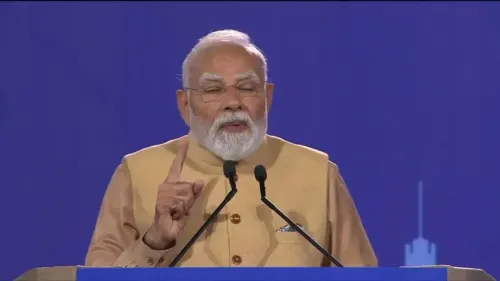
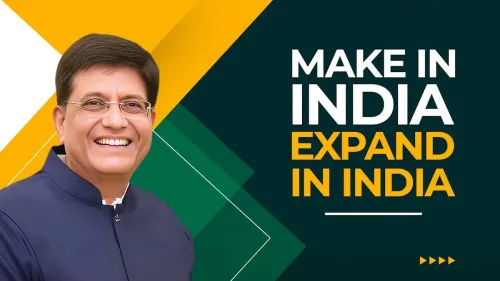
Twelve years to the day after Prime Minister Narendra Modi unveiled the lion-and-gear emblem on 25 September 2014, Union Commerce and Industry Minister Piyush Goyal marked the anniversary of Make in India with a sharp, celebratory post on X, calling the milestone 'a national W.'
A programme born from one speech, twelve years in the making
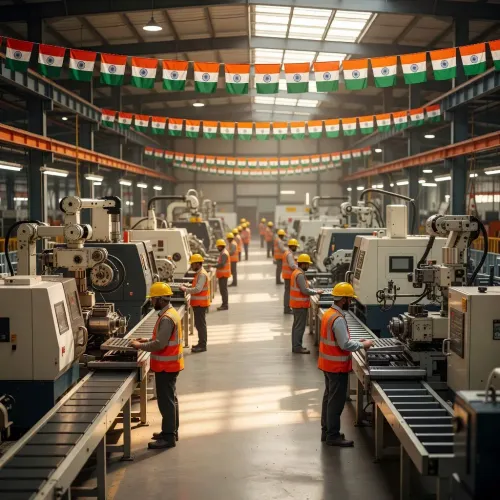
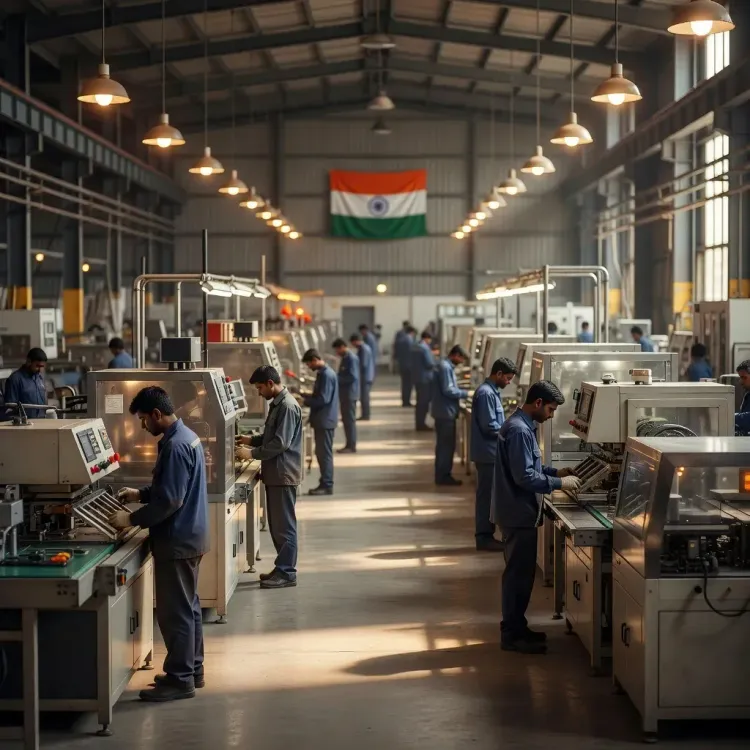
Make in India was not a tweak to an existing scheme — it was a brand-new industrial pitch to the world. When Modi launched it at Vigyan Bhavan, New Delhi, the ambition was explicit: raise manufacturing's share of GDP to 25 percent, attract foreign direct investment at scale, and position India as the next great global factory floor. The lion made of machine cogs — the programme's iconic logo — became one of independent India's most recognisable economic symbols.
Goyal's one-liner — 'That's what a national W looks like!' — distils twelve years of policy momentum into a locker-room cheer. The W, in modern usage, simply means a win. In political economy terms, it is a claim that the programme has delivered.
PLI schemes: the second engine bolted onto Make in India
The programme's architecture grew significantly after 2020, when the government layered Production Linked Incentive (PLI) schemes across 14 sectors — from semiconductors and smartphones to pharmaceuticals and solar modules. The PLI design tied cash incentives directly to incremental production, giving global firms a hard financial reason to set up or expand in India rather than neighbouring manufacturing hubs.
That timing mattered. As companies accelerated their China-plus-one diversification strategies through the early 2020s, India was positioned — partly through Make in India's decade of groundwork — as the credible alternative. Apple's expanded iPhone assembly footprint in Tamil Nadu and Karnataka became a flagship exhibit of that shift.
What the Commerce Ministry will watch next
The anniversary lands ahead of the next quarterly FDI and Index of Industrial Production data releases from the Commerce Ministry — numbers that will either vindicate the celebration or complicate it. Manufacturing's share of GDP, FDI equity inflows, and export competitiveness in labour-intensive sectors remain the three dials the government tracks most closely as proof that the 'W' is structural, not seasonal.
Twelve years in, Make in India has outlasted multiple global shocks — demonetisation, a pandemic, a geopolitical rupture in supply chains — and is still the centrepiece of India's industrial identity. Whether the next twelve years close the gap with the original 25-percent manufacturing GDP target is the only question that will ultimately settle the scoreboard.
Point of View
Borrowing from sports-culture language to claim broad ownership of an economic achievement that is, in reality, still a work in progress against the original 25-percent GDP target. The post reinforces the BJP's core economic identity heading into any near-term political cycle, but it also implicitly raises the bar: every future manufacturing or FDI setback will now be measured against this public victory lap. The shrewd political bet is that the China-plus-one tailwind — and PLI-driven investment announcements — will keep the scoreboard favourable long enough to matter.
NationPress
25 Sept 2026
Frequently Asked Questions
When was Make in India launched?
Make in India was launched by Prime Minister Narendra Modi on 25 September 2014 at Vigyan Bhavan in New Delhi, making 2026 its 12th anniversary.
What is Make in India's manufacturing GDP target?
The programme set an ambition to raise manufacturing's share of India's GDP to 25 percent , though the target has not yet been fully achieved.
What are PLI schemes and how do they relate to Make in India?
Production Linked Incentive (PLI) schemes were introduced from 2020 across 14 sectors as a complement to Make in India, offering cash incentives tied directly to incremental domestic production.
Why did Piyush Goyal call Make in India a 'national W'?
Goyal used the term 'W' — contemporary slang for a win — to celebrate the programme's 12th anniversary and highlight India's manufacturing and FDI progress under the initiative.
How does Make in India benefit from the China-plus-one trend?
As global companies diversify supply chains away from China, India's decade of Make in India groundwork and PLI incentives have positioned it as a credible alternative manufacturing destination, attracting investments in sectors like electronics and pharmaceuticals.