Goyal: Modi's 12 years prove India needs Vikas and Virasat both
Synopsis
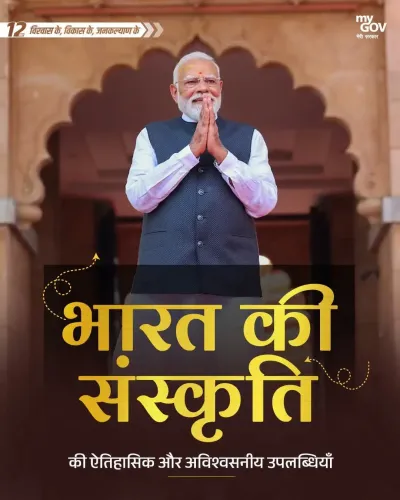
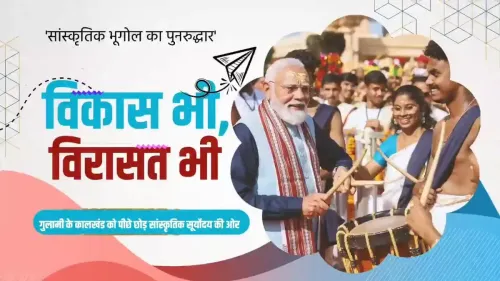
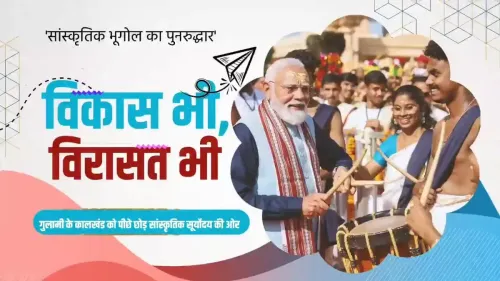
Commerce Minister Piyush Goyal invoked PM Modi's 12-year record on 9 August 2026 to restate the BJP's governing thesis: that India's progress requires Vikas (development) and Virasat (heritage) in equal measure — a dual mandate the party has embedded in policy since 2014.
Key Takeaways
Piyush Goyal posted on 9 August 2026 framing PM Modi's 12-year tenure around the twin pillars of Vikas (development) and Virasat (heritage).
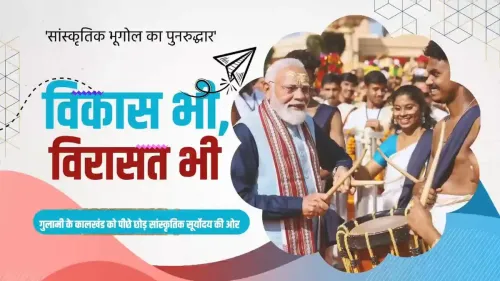
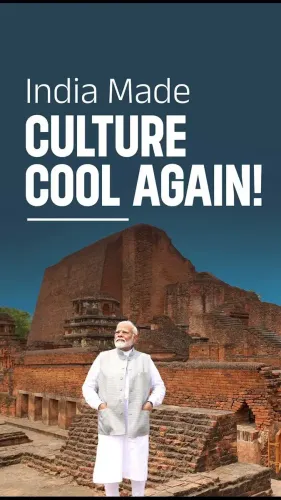
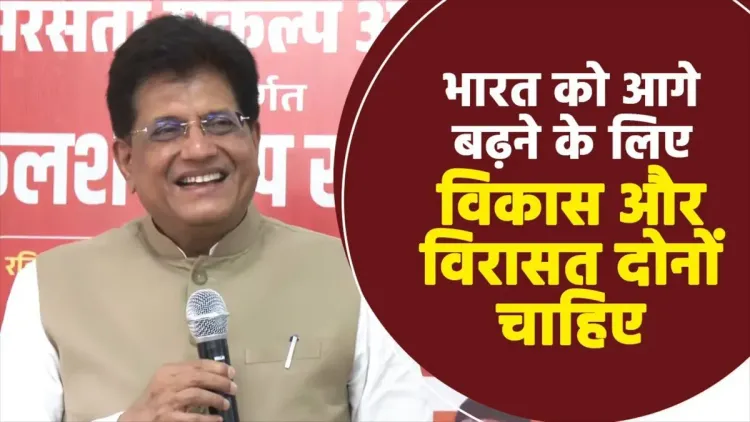
The post was in Hindi and accompanied by a video, indicating it was packaged for broad public reach.
The BJP has embedded this dual mandate in policy since 2014 , through schemes like PRASAD (pilgrimage infrastructure) and cultural diplomacy initiatives such as International Yoga Day .
Goyal's articulation, as Leader of the House in the Rajya Sabha , carries weight in the parliamentary political conversation.
No new policy announcement was made; the post restates an established governing philosophy entering the party's third term.
Twelve years of governance distilled into a single, confident thesis — Union Commerce and Industry Minister Piyush Goyal on Sunday, 9 August 2026, invoked Prime Minister Narendra Modi's record to argue that India's forward march demands two engines running together: development and heritage.
Posting in Hindi on X, Goyal wrote: 'प्रधानमंत्री @NarendraModi जी ने अपने गत 12 वर्षों के कामकाज से हमें एक स्पष्ट संदेश दिया है... भारत को आगे बढ़ने के लिए विकास और विरासत दोनों चाहिए।' — 'Prime Minister Narendra Modi has, through his work over the past 12 years, given us a clear message: for India to move forward, it needs both Vikas (development) and Virasat (heritage).'
Twelve years, one governing philosophy
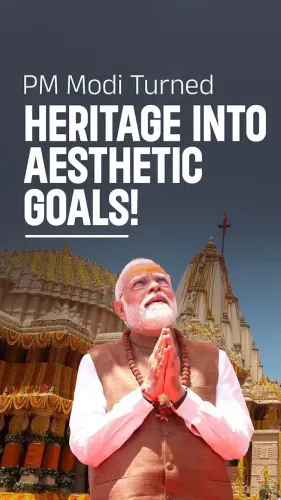
The framing is not new — but Goyal's restatement of it in 2026 signals that the BJP intends to keep this dual mandate at the centre of its political identity well into its third term. Since 2014, the Modi government has consistently presented economic ambition and cultural pride as complementary rather than competing. Budget documents, infrastructure designs, and diplomatic outreach have all carried this dual imprint. The pattern shows up in concrete programmes. The PRASAD scheme, launched in 2014, channelled infrastructure investment specifically into pilgrimage and heritage towns — a deliberate signal that modernisation would not bypass India's sacred geography. International Yoga Day, elevated to a global calendar fixture, became the cultural-diplomacy counterpart to manufacturing drives like Make in India.Why the 'Vikas and Virasat' formula endures
The phrase does political work that transcends ceremony. It answers a long-running critique — that rapid economic reform risks erasing cultural continuity — by insisting the two are inseparable. For a government that has presided over major infrastructure rollouts alongside high-profile heritage restoration projects, it is also a record it is willing to be measured against. Goyal, as Leader of the House in the Rajya Sabha and one of the party's most senior economic voices, carries particular weight when he frames Modi's tenure this way. His articulation is aimed as much at the political conversation inside Parliament as at the broader public. The post accompanies a video — the specifics of which are not independently verifiable — suggesting the message was packaged for wider reach, not just a text observation. If the next Union Budget or cultural policy statement continues to weave heritage investment into growth infrastructure, this post will look less like a reflection and more like a preview.Point of View
Branded philosophy rather than a list of schemes. The 'Vikas and Virasat' framing has served the BJP as a shield against the critique that economic modernisation comes at cultural cost, and restating it in 2026 suggests the party plans to contest the next political cycle on that same ground. For Goyal specifically, amplifying this message reinforces his standing as one of the government's most authoritative interpreters of Modi's economic and cultural record. The absence of any new announcement makes the post's intent clear: it is positioning, not policy.
NationPress
24 Sept 2026
Frequently Asked Questions
What did Piyush Goyal say about PM Modi's 12 years?
Goyal said Modi's 12-year record sends a clear message that India needs both Vikas (development) and Virasat (heritage) to move forward.
What does 'Vikas aur Virasat' mean in BJP's governance context?
'Vikas aur Virasat' — development and heritage — is the BJP's governing philosophy that frames economic growth and cultural preservation as inseparable national goals, reflected in schemes like PRASAD and initiatives like International Yoga Day.
What is the PRASAD scheme mentioned in connection with Modi's heritage policy?
The PRASAD scheme, launched in 2014, directs infrastructure investment into pilgrimage and heritage towns, blending development spending with cultural preservation objectives.
Why is Piyush Goyal significant in making this statement?
As Union Commerce and Industry Minister and Leader of the House in the Rajya Sabha, Goyal is one of the BJP's most senior economic voices, giving his framing of Modi's record added political weight.
Did Goyal announce any new policy in his August 2026 post?
No. The post restated an established governing philosophy without introducing any new scheme, programme, or policy announcement.