Goyal Pitches GI-Tagged Mithila Makhana for Global Markets

Synopsis
Union Commerce Minister Piyush Goyal on October 19, 2026 backed a drive to globalise GI-tagged Mithila Makhana, spotlighting Bihar farmers and state-central coordination as the twin engines of the superfood's international push.
Key Takeaways
Piyush Goyal publicly committed to taking Mithila Makhana to global markets in a post on October 19, 2026 .
Makhana holds a Geographical Indication (GI) tag under India's 1999 GI Act, giving it protected provenance status internationally.
The minister acknowledged Bihar Chief Minister Samrat Choudhary as a partner in the state-central export-promotion drive.
The push mirrors India's broader strategy of branding GI-tagged agricultural products as premium exports to diversify beyond bulk commodity trade.
Bihar's makhana farmers — mostly smallholders on seasonal water bodies — are the primary beneficiaries if the export drive delivers sustained demand and fair prices.
Infrastructure gaps in cold chains, processing, and packaging remain the key test of whether political commitment converts to ground-level gains for farmers.
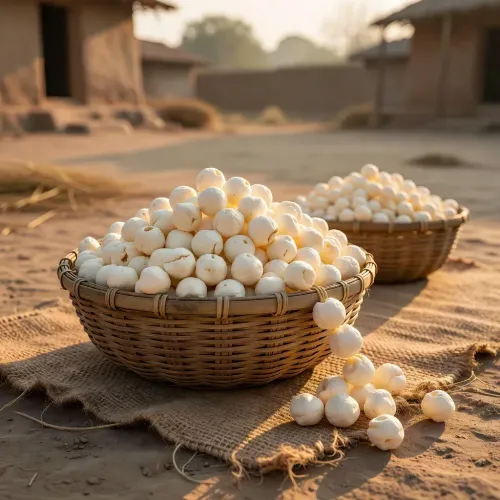
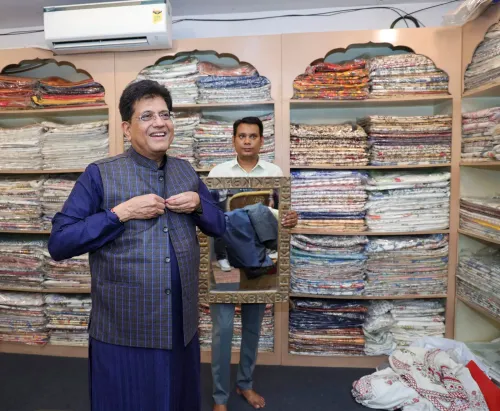
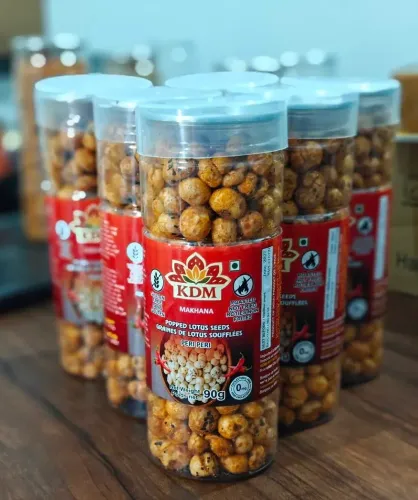
A centuries-old crop from the wetlands of northern Bihar is now squarely in the crosshairs of India's export ambition. Union Commerce and Industry Minister Piyush Goyal on Monday, October 19, 2026, publicly championed Mithila Makhana — Bihar's GI-tagged fox nut — calling it a global superfood and pledging central commitment to carrying the region's 'local treasures to global markets.'
From Mithila's Wetlands to the World's Shelves
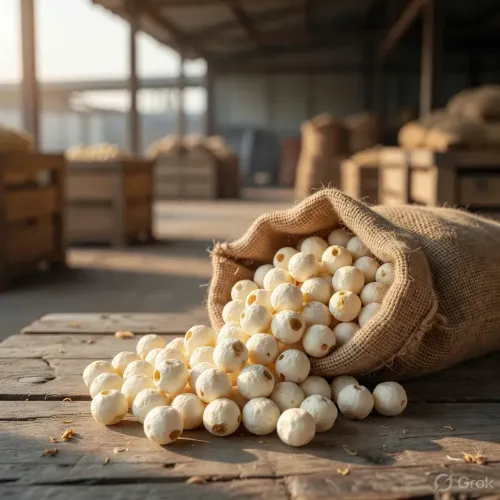
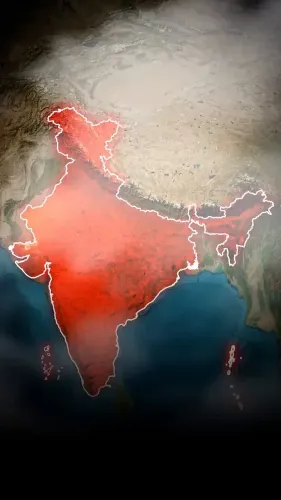
Makhana — the dried seed of the Euryale ferox aquatic plant — has been cultivated in the floodplains of the Mithila region for generations. Its Geographical Indication (GI) tag, conferred under the Geographical Indications of Goods (Registration and Protection) Act, 1999, gives the product a legally protected identity, distinguishing it from generic fox-nut produce and allowing it to command premium pricing on international shelves.
Goyal credited the 'tireless toil of hardworking farmers' as the engine behind the product's rising global profile. He also specifically acknowledged Bihar Chief Minister Samrat Choudhary, signalling active state-central alignment on the push to internationalise the crop.
GI Tags as Export Levers: The Bigger Policy Play
Mithila Makhana's global push is not an isolated move — it fits neatly into India's broader strategy of converting regional agricultural heritage into hard export revenue. India's Commerce Ministry has been systematically branding GI-tagged products — from Darjeeling tea to Alphonso mangoes to Kolhapur chappals — as premium, provenance-guaranteed goods for overseas buyers.
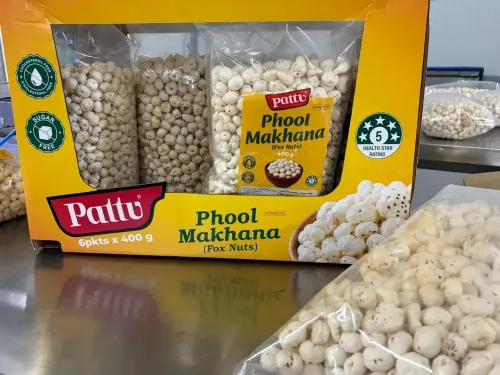
The approach aligns with the Atmanirbhar Bharat and export-diversification goals, moving the country away from dependence on bulk commodity trade and toward higher-margin, identity-driven agricultural exports. Makhana's nutritional profile — high protein, low fat, antioxidant-rich — gives it natural traction in the booming global health-food segment, adding commercial logic to the political backing.
Farmers at the Centre, Infrastructure the Next Test
Bihar's makhana farmers, most of them smallholders working seasonal water bodies, stand to gain directly if the export push translates into sustained international demand and fair farmgate prices. The real bottleneck, as with most GI-tagged agri products, will be post-harvest infrastructure: cold chains, processing facilities, packaging standards, and access to international agri-food expos where buyers are won.
Goyal's post signals intent; the next marker will be whether state-central coordination produces concrete export infrastructure on the ground in Mithila.
For a crop that has fed Bihar's villages for centuries, the world is now the market — and India's trade establishment has just said so out loud.
Point of View
Low policy cost, and a direct line to the emotive farmer-welfare narrative that plays well across the political spectrum. By naming the Bihar CM, he also reinforces the BJP's dual-engine governance pitch ahead of any state political cycle. The real analytical question is whether the Commerce Ministry follows through with trade-fair presence, export-credit access, and processing infrastructure, or whether the post marks the ceiling rather than the starting line of ambition. Historically, GI products have punched below their potential on exports because branding outpaces supply-chain investment.
NationPress
19 Oct 2026
Frequently Asked Questions
What is Mithila Makhana and why does it have a GI tag?
Mithila Makhana is a fox-nut crop cultivated in the floodplains of the Mithila region in northern Bihar. It carries a Geographical Indication tag under India's GI Act of 1999, certifying its unique regional origin and protecting it from imitation, which allows it to command premium prices in domestic and international markets.
What did Piyush Goyal say about Mithila Makhana?
On October 19, 2026, Union Commerce and Industry Minister Piyush Goyal called Mithila Makhana a global superfood and pledged, alongside Bihar's Chief Minister, to take Bihar's local treasures to global markets, crediting the hard work of Bihar's farmers for the product's international recognition.
How does India promote GI-tagged agricultural products internationally?
India's Commerce Ministry coordinates with state governments to brand GI-tagged products — such as Darjeeling tea, Alphonso mangoes, and Mithila Makhana — as premium, provenance-guaranteed goods for overseas buyers. This aligns with the Atmanirbhar Bharat and export-diversification framework.
Who benefits from the Mithila Makhana export push?
Bihar's makhana farmers — mostly smallholders working seasonal water bodies in the Mithila region — stand to benefit most if sustained international demand translates into higher farmgate prices. Exporters and processors in the makhana supply chain also stand to gain.
What are the challenges in exporting Mithila Makhana globally?
The key challenges include gaps in post-harvest infrastructure such as cold chains, processing facilities, and packaging that meet international food standards. Access to global agri-food trade platforms and ensuring consistent quality at scale are also critical hurdles for sustained export growth.