Piyush Goyal Co-Chairs 23rd India-Italy JCEC With Tajani
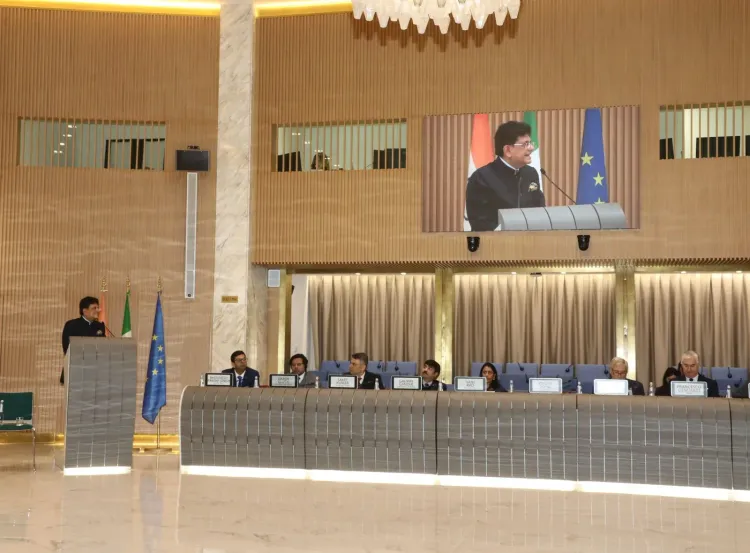
Synopsis
Commerce Minister Piyush Goyal and Italian Deputy PM Antonio Tajani co-chaired the 23rd India-Italy JCEC on 18 November 2026, reviewing cooperation across nine sectors and exploring opportunities linked to the ongoing India-EU Free Trade Agreement.
Key Takeaways
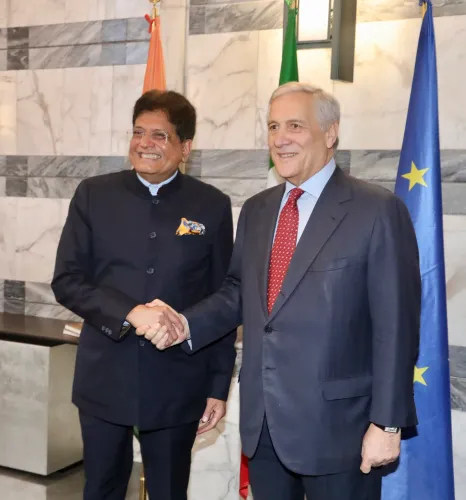
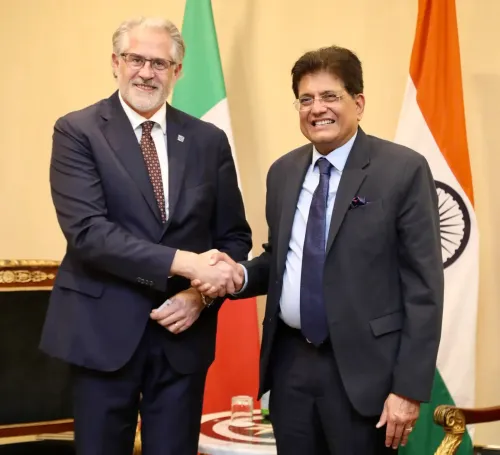
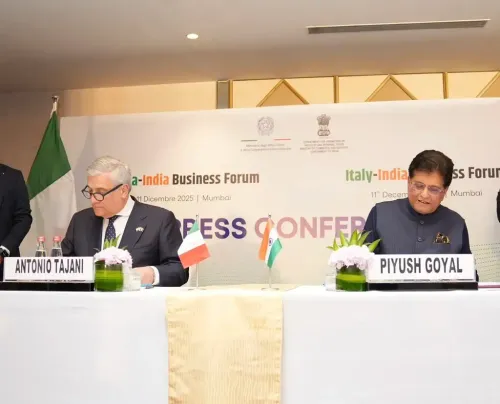
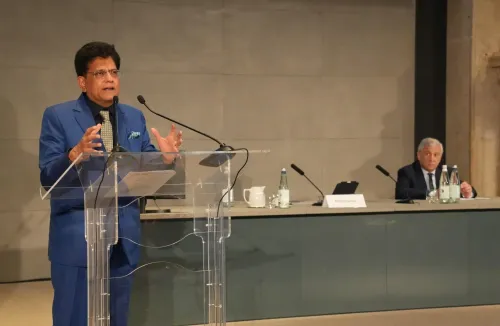
The 23rd India-Italy Joint Commission for Economic Cooperation (JCEC) was co-chaired by Piyush Goyal and Italian Deputy PM Antonio Tajani on 18 November 2026 .
Nine sectors were on the agenda: manufacturing, automotive, aerospace, agriculture, energy, connectivity, critical minerals, science and technology, and tourism .
Both sides discussed trade facilitation, market-access challenges , and opportunities from the India-EU Free Trade Agreement negotiations.
India's bilateral JCEC with Italy is part of a broader dual-track strategy of engaging individual EU member states alongside the multilateral India-EU FTA process.
India-EU trade talks were relaunched at the 2022 EU-India Summit after a multi-year pause, adding urgency to sectoral alignment efforts.
Next steps to watch: sector-specific follow-up working groups and progress on India-EU FTA market-access offers.
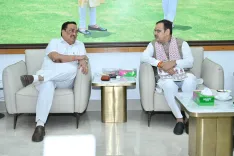
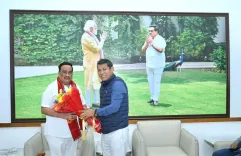
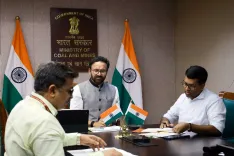
Nine sectors, one commission, and a free-trade agreement in the wings — Union Commerce and Industry Minister Piyush Goyal co-chaired the 23rd India-Italy Joint Commission for Economic Cooperation (JCEC) on Wednesday, 18 November 2026 alongside Antonio Tajani, Italy's Deputy Prime Minister and Minister of Foreign Affairs and International Cooperation, pushing one of India's most consequential European bilateral economic dialogues into a new gear.
What the 23rd JCEC Put on the Table
The two ministers reviewed what Goyal described as the 'rapid progress and broadening' of bilateral economic cooperation, working through a nine-sector agenda that stretched from manufacturing and automotive to aerospace, agriculture, energy, connectivity, critical minerals, science and technology, and tourism. Few bilateral sessions cast that wide a net — the breadth itself signals how seriously both sides are treating the relationship.
Trade facilitation and market-access barriers also featured prominently, as did the emerging opportunities from the ongoing India-EU Free Trade Agreement negotiations. For exporters and industrial firms on both sides, that last item is the one to watch: a landing on the India-EU FTA would reshape the commercial calculus for every sector on the JCEC's list.
India's Dual-Track Play With Europe
The meeting fits a deliberate Indian strategy. Since the India-EU trade and investment talks were relaunched at the 2022 EU-India Summit after a years-long pause, New Delhi has run a dual track — engaging the EU as a bloc on the FTA while simultaneously deepening bilateral economic commissions with individual member states like Italy, France, and Germany. The logic is straightforward: bilateral wins create political momentum for the multilateral deal, and sector-specific working groups at the bilateral level can resolve technical snags faster than bloc-wide negotiations.
Italy is a natural anchor for this approach. The two economies carry strong complementarities — Italian precision manufacturing, design, and industrial equipment against India's scale, services strength, and fast-growing domestic market. Critical minerals add a newer, more urgent dimension: as global supply chains reconfigure around clean-energy inputs, locking in partnerships with technologically advanced economies has become a strategic imperative for New Delhi.
The FTA Wildcard and What Follows
The explicit reference to 'harnessing new opportunities emerging from the India-EU FTA' is the sharpest signal in Goyal's post. Progress on market-access offers between India and the EU has been slow and contested, but each bilateral session that aligns sectoral positions — whether on automotive standards, agri tariffs, or investment rules — nudges the multilateral track forward. With manufacturing exporters, automotive and aerospace firms, and agricultural traders all watching closely, any sector-specific follow-up working groups from this JCEC will be tracked as early indicators of how much real ground was covered.
India and Italy, Goyal noted, have 'immense potential to deepen industrial cooperation, boost investments and build resilient supply chains.' The 23rd JCEC is a step; what the follow-on working groups deliver will determine whether this edition is remembered as a turning point or a well-managed routine.
Point of View
As a leading industrial economy with deep expertise in precision manufacturing and energy transition technologies, is a valuable node in that architecture. The real test will be whether the momentum generated at this commission translates into concrete market-access concessions and investment flows — or remains aspirational.
NationPress
18 Nov 2026
Frequently Asked Questions
What is the India-Italy Joint Commission for Economic Cooperation?
The India-Italy Joint Commission for Economic Cooperation (JCEC) is a bilateral mechanism that brings together senior ministers from both countries to review and expand economic ties. The 23rd edition was co-chaired by Piyush Goyal and Italian Deputy PM Antonio Tajani on 18 November 2026.
Which sectors did India and Italy discuss at the 23rd JCEC?
The 23rd JCEC covered nine sectors: manufacturing, automotive, aerospace, agriculture, energy, connectivity, critical minerals, science and technology, and tourism, alongside discussions on trade facilitation and market access.
What is the India-EU FTA and why does it matter for India-Italy ties?
The India-EU Free Trade Agreement is a comprehensive trade deal covering goods, services, and investment being negotiated between India and the European Union. Talks were relaunched at the 2022 EU-India Summit, and bilateral sessions like the JCEC help align positions on key sectors that feed into the broader multilateral negotiations.
Who is Antonio Tajani?
Antonio Tajani is Italy's Deputy Prime Minister and Minister of Foreign Affairs and International Cooperation. He co-chaired the 23rd India-Italy JCEC with Union Commerce Minister Piyush Goyal on 18 November 2026.
Why is India pursuing bilateral economic commissions with individual EU countries?
India runs a dual-track European strategy — engaging the EU as a bloc on the FTA while deepening bilateral commissions with key member states like Italy. Bilateral sessions can resolve technical and market-access issues faster than bloc-wide negotiations and build political momentum for the broader deal.