GPS Tracking System for CAPF Personnel in West Bengal Ahead of Elections

Synopsis
In a significant move to enhance election security, the ECI will implement GPS tracking for CAPF vehicles in West Bengal, ensuring personnel are effectively utilized from day one of their deployment.
Key Takeaways
GPS tracking will be implemented for CAPF vehicles in West Bengal.
The ECI aims for effective utilization of personnel from day one.
A total of 480 CAPF companies will be deployed in two phases.
Monitoring aims to prevent past issues of inactivity.
Deployment involves multiple security forces, enhancing election readiness.
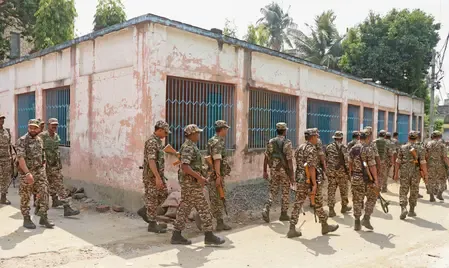
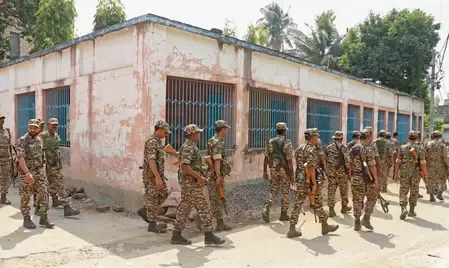
Kolkata, Feb 25 (NationPress) Starting from March 1, the vehicles assigned to personnel of the Central Armed Police Forces (CAPF) in West Bengal will be equipped with GPS tracking devices. This measure aims to allow the Election Commission of India (ECI)-appointed central observers to monitor the effective utilization of deployed CAPF personnel from the very first day of their assignment.
The ECI has issued clear directives that the initial deployment of 240 companies of CAPF on March 1—prior to the announcement of polling dates and the implementation of the model code of conduct—must not be allowed to remain inactive. From day one, these forces will need to engage in area domination and familiarize themselves with the state’s geography.
“To ensure that the Commission's mandate for effective utilization is upheld from the outset, all vehicles assigned to these CAPF personnel will come with GPS trackers. This will enable the central observers appointed by the ECI to continuously track their movements. The observers are likely to submit daily reports concerning CAPF usage to the Commission,” revealed a source from the Chief Electoral Officer (CEO) office in West Bengal.
He added that the same protocol will apply to the additional 240 companies of CAPF set to be deployed in the second phase on March 10.
“In previous elections in West Bengal, numerous complaints surfaced regarding the inefficient use of CAPF personnel despite their substantial deployment, even on polling days. There were also reports of CAPF members engaging in leisure activities during duty hours. To address such concerns, the Commission has decided to enforce strict monitoring of CAPF personnel movements from day one, ensuring effective utilization throughout their deployment,” the insider from the CEO’s office stated.
The first phase deployment on March 1 will involve 110 companies from the Central Reserve Police Force (CRPF), 55 from the Border Security Force (BSF), 21 from the Central Industrial Security Force (CISF), 27 from the Indo-Tibetan Border Police Force (ITBP), and 27 from the Sashastra Seema Bal (SSB).
The second phase will deploy an additional 240 companies on March 10, including 120 from the CRPF, 65 from the BSF, 16 from the CISF, 20 from the ITBP, and 19 from the SSB.
The timeline for the de-induction of these 480 companies, which involves the withdrawal of troops, equipment, or personnel from a specific area, will be announced in due course as per the ECI’s notification.
Point of View
The introduction of GPS tracking for CAPF personnel in West Bengal represents a proactive approach toward ensuring election integrity and security. It reflects a commitment to optimal resource utilization amidst past inefficiencies, thereby reinforcing the importance of accountability in the electoral process.
NationPress
30 Sept 2026
Frequently Asked Questions
What is the purpose of GPS tracking for CAPF vehicles?
The GPS tracking system is intended to ensure that the Central Armed Police Forces personnel are effectively utilized during their deployment and to enable constant monitoring by central observers.
When will the CAPF personnel be deployed in West Bengal?
The first phase of the CAPF personnel deployment will begin on March 1, with a second phase following on March 10.
How many CAPF companies are being deployed?
A total of 480 companies of CAPF will be deployed in two phases: 240 companies on March 1 and another 240 on March 10.
What agencies are involved in the CAPF deployment?
The deployment includes various forces such as the Central Reserve Police Force (CRPF), Border Security Force (BSF), Central Industrial Security Force (CISF), Indo-Tibetan Border Police Force (ITBP), and Sashastra Seema Bal (SSB).
Why is the ECI monitoring CAPF personnel more closely this election?
The ECI aims to rectify past inefficiencies where deployed CAPF personnel were not utilized effectively and to prevent any misuse of duty hours.