Uttarakhand CMO: Gramotthan Project Uplifts Rural Women
Synopsis
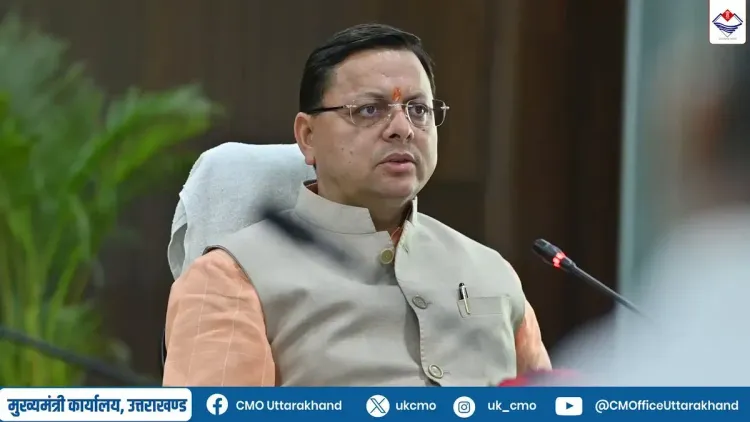
The Chief Minister's Office of Uttarakhand spotlights the Gramotthan Pariyojana on November 4, 2026, crediting the scheme with improving economic conditions for rural women across the hill state's villages, in line with India's broader NRLM-backed livelihood push.
Key Takeaways
The Uttarakhand CMO posted on November 4, 2026 highlighting the Gramotthan Pariyojana as an economic uplift initiative for rural women.
The scheme targets geographically isolated villages in Uttarakhand where seasonal employment and male out-migration limit household incomes.
It aligns with the national National Rural Livelihood Mission (NRLM) , launched in 2011 , which centres women's self-help groups as the engine of rural economic empowerment.
Interventions typically include skill training, micro-credit access, and value-chain development in sectors such as handicrafts, dairy, and eco-tourism.
Dehradun serves as the administrative hub coordinating district-level rollout of the programme.
Specific budget figures and measurable outcomes of the Gramotthan Pariyojana have not been officially disclosed in public records.
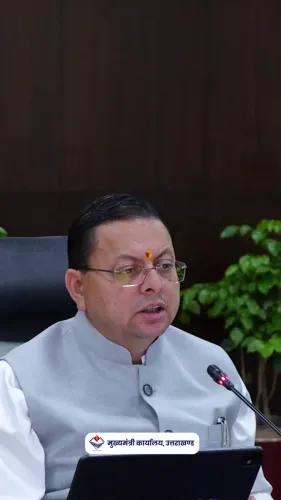
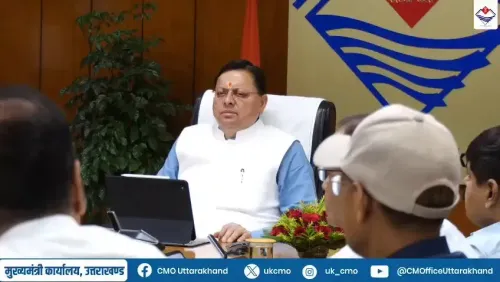
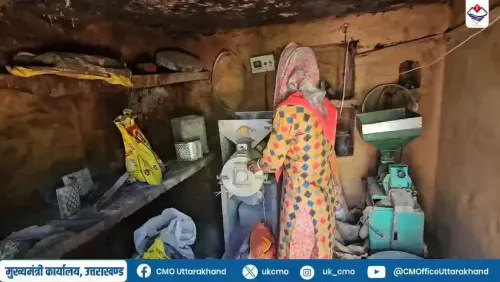
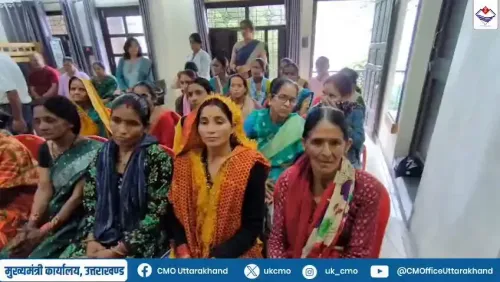
In the hills of Uttarakhand, where seasonal unemployment and male out-migration have long hollowed out village economies, a targeted livelihood scheme is quietly rewriting the financial futures of rural women. The Chief Minister's Office of Uttarakhand posted on Wednesday, November 4, 2026, highlighting how the Gramotthan Pariyojana (ग्रामोत्थान परियोजना) is improving the economic condition of women in the state's villages.
The post, tagged to Dehradun and Uttarakhand, declared: 'The economic condition of rural women is improving through the Gramotthan Pariyojana.' Short. Confident. The kind of claim that lands heaviest when the ground-level numbers back it up.What the Gramotthan Pariyojana targets
Uttarakhand's rural terrain is as much a constraint as a canvas. High-altitude villages face limited market connectivity, sparse agricultural land, and a steady drain of working-age men to plains cities. Women left behind manage households, farms, and local trade — often without formal income or credit access. Schemes like the Gramotthan Pariyojana are designed to close exactly that gap: combining skill development, micro-credit linkages, and value-chain support for activities such as handicrafts, dairy, and eco-tourism.
The project fits squarely within the architecture of the National Rural Livelihood Mission (NRLM), launched nationally in 2011, which made women's self-help groups (SHGs) the backbone of rural economic empowerment across states. Uttarakhand has consistently aligned its own interventions with this framework, using Dehradun as the administrative nerve centre for rolling out district-level programmes.
Hill-state women's livelihood push: a pattern taking shape
Uttarakhand is not alone in this pivot. Indian hill states have increasingly leaned into women-centric livelihood programmes as a structural response to geography and migration — not merely as welfare, but as economic architecture. The logic is direct: when men leave, women become de facto household economic managers. Equip them with skills, capital access, and market linkages, and village economies stabilise. Leave them unsupported, and the cycle of poverty deepens with each generation.
The CMO's signal here is a reiteration of that philosophy at the state's highest messaging level — a reminder that Gramotthan remains a live priority, not an archived scheme.
Point of View
Not a background programme. By amplifying Gramotthan Pariyojana at the chief ministerial messaging level, the state is consciously positioning itself within India's broader hill-state governance narrative — where women-led SHGs are increasingly framed as a structural fix for migration-driven rural distress, rather than mere welfare delivery. The move also previews a likely budget and political argument: that targeted livelihood schemes, not just infrastructure spending, are the state's answer to chronic rural unemployment. Watch for district-level SHG formation data and any forthcoming budget allocation announcements as the real test of this commitment.
NationPress
4 Nov 2026
Frequently Asked Questions
What is the Gramotthan Pariyojana in Uttarakhand?
The Gramotthan Pariyojana is a rural livelihood scheme in Uttarakhand aimed at improving the economic condition of women in villages, typically through skill training, micro-credit linkages, and support for activities like handicrafts, dairy, and eco-tourism.
How does the Gramotthan Pariyojana help rural women?
The project helps rural women by providing access to skill development, micro-credit, and market linkages, enabling them to generate stable household incomes in areas where seasonal employment and male out-migration are persistent challenges.
Is the Gramotthan Pariyojana connected to the National Rural Livelihood Mission?
Yes, the scheme aligns with the National Rural Livelihood Mission (NRLM), launched in 2011, which uses women's self-help groups as the primary vehicle for rural economic empowerment across Indian states including Uttarakhand.
Which district administers the Gramotthan Pariyojana?
Dehradun, as the capital and administrative hub of Uttarakhand, coordinates the state-level rollout of rural development programmes including the Gramotthan Pariyojana.
What is the budget or scale of the Gramotthan Pariyojana?
Specific budget figures and measurable outcomes for the Gramotthan Pariyojana have not been officially disclosed in publicly available records as of November 2026.