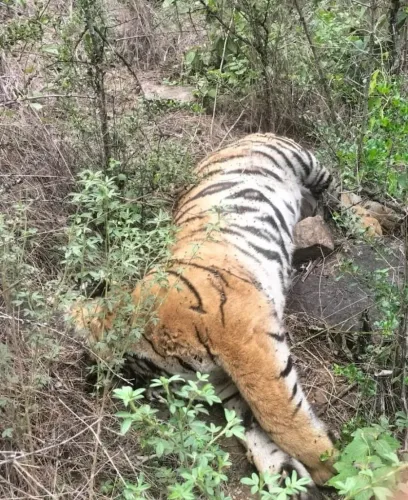
Gudalur shuts for 48 hours as tiger hunt enters day 6 in Nilgiris
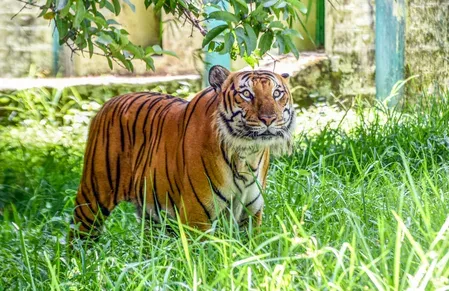
Synopsis
Nearly 10,000 shops in Gudalur shut for 48 hours as residents demand the capture of a tiger that killed two people in the Nilgiris. Six days in, 130 cameras and 3 thermal drones have yielded no sighting — rain, mist, and dense terrain are winning against a 100-strong forest team.
Key Takeaways
A 48-hour shutdown began in Gudalur on 27 August , closing nearly 10,000 shops in protest over a tiger attack.
Victims Balakrishnan and Ravichandran were killed in separate attacks in the O'Valley-Lauriston area of Nilgiris district .
More than 100 forest personnel , 3 thermal drones , 130 cameras , and 12 cage traps are deployed; the hunt is on its sixth day .
No tiger movement has been recorded on any camera; rain and mist are hampering the operation.
An all-party meeting in Kotagiri demanded wildlife-death compensation be raised from ₹10 lakh to ₹50 lakh and a government job for each victim's family.
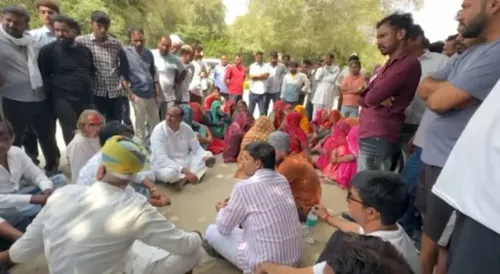
Tamil Nadu's Gudalur came to a standstill on Thursday, 27 August, as a 48-hour shutdown shuttered nearly 10,000 shops, with residents demanding the immediate capture of a tiger suspected of killing two people in the O'Valley-Lauriston area of Nilgiris district. The strike, backed by traders, political parties, and local organisations, is set to continue through Friday as public pressure on forest authorities intensifies.
The Victims and the Fear They Left Behind
The two fatalities have been identified as Balakrishnan and Ravichandran, both mauled to death in separate attacks in the O'Valley-Lauriston zone. The killings have triggered widespread fear and anger across plantation communities in the area. Residents of Deivamalai, Mettur, Kurinji Nagar, Mullai Nagar, Gandhi Nagar, and Valappu have been advised by authorities to remain vigilant and avoid venturing out alone.
Scale of the Search Operation
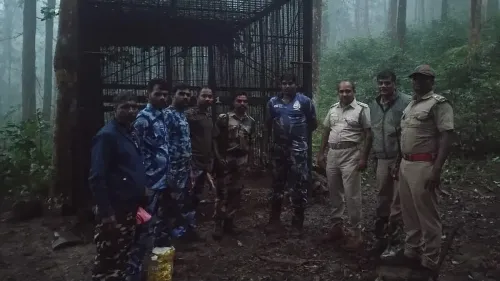
Acting on instructions from Tamil Nadu Chief Wildlife Warden Rakesh Kumar Dogra, more than 100 forest personnel — led by Gudalur District Forest Officer Devaraj — have been deployed in the field. The operation employs 3 thermal-imaging drones, 130 automatic cameras, and 12 cage traps, including a 12th cage brought in from Coimbatore and installed as the search entered its sixth day. Additional personnel have been drawn from Coimbatore and other forest divisions, and more than 10 senior officials — led by a forest range officer from Theni — have reached O'Valley to bolster the effort.
Why the Tiger Remains Elusive
Despite round-the-clock patrols and continuous drone surveillance of plantation fringes, officials have found no recorded movement of the animal across all 130 camera feeds. Persistent rain, mist, and poor visibility in the Nilgiris terrain have severely hampered surveillance, allowing the tiger to evade search teams. The Forest Department has restricted public movement in localities identified as likely tiger movement zones. This is a pattern seen in earlier high-altitude wildlife conflict incidents in the region, where dense canopy and weather conditions routinely neutralise technological advantages.
Political Demands and the Compensation Debate
An all-party consultative meeting was held in Kotagiri, chaired by Communist Party of India (Marxist) taluk secretary Manikandan, attended by representatives of traders' bodies and social organisations. The meeting adopted resolutions demanding that compensation for deaths caused by wild animals be raised from ₹10 lakh to ₹50 lakh, and that a government job be provided to one member of each victim's family. The demands reflect a broader and long-standing grievance among forest-fringe communities across Tamil Nadu over what they describe as inadequate state support in the aftermath of human-wildlife conflict fatalities.
What Happens Next
With the shutdown entering its second day and no confirmed sighting of the tiger, pressure on the forest department is unlikely to ease. The operation's outcome — and the government's response to compensation demands — will be closely watched by communities across Tamil Nadu's forest-edge districts.
Point of View
And the all-party demand to raise it to ₹50 lakh deserves serious legislative attention rather than post-incident consultations. The six-day failure to locate the tiger despite 130 cameras and thermal drones also raises hard questions about whether India's wildlife conflict response infrastructure — designed for open terrain — is fit for the Nilgiris' high-altitude, mist-laden landscape. Critically, the pattern of deploying resources reactively after deaths, rather than proactively managing tiger corridors near plantation settlements, points to a structural failure that no single capture operation can fix.
NationPress
11 Oct 2026
Frequently Asked Questions
Why has Gudalur shut down for 48 hours?
Gudalur's 48-hour shutdown, which began on 27 August, was called by traders, political parties, and local organisations to demand the immediate capture of a tiger suspected of killing two residents — Balakrishnan and Ravichandran — in the O'Valley-Lauriston area of Nilgiris district. Nearly 10,000 shops have remained closed.
How many people has the tiger killed and where did the attacks happen?
The tiger is suspected of killing two people — identified as Balakrishnan and Ravichandran — in separate attacks in the O'Valley-Lauriston area of Nilgiris district, Tamil Nadu. The incidents triggered widespread fear among plantation and forest-fringe communities in the region.
What resources are being used to capture the tiger?
The Tamil Nadu Forest Department has deployed more than 100 personnel, 3 thermal-imaging drones, 130 automatic cameras, and 12 cage traps. Additional staff have been brought in from Coimbatore and Theni. Despite six days of operations, no movement of the animal has been recorded on any camera.
Why has the tiger not been caught yet?
Persistent rain, mist, and poor visibility in the Nilgiris terrain have severely hampered drone and camera surveillance, allowing the tiger to evade search teams. Officials confirmed that none of the 130 cameras had recorded the animal's movement as of 27 August.
What compensation are residents and political groups demanding for wildlife attack deaths?
An all-party meeting in Kotagiri resolved to demand that compensation for deaths caused by wild animals be raised from ₹10 lakh to ₹50 lakh, and that one member of each victim's family be given a government job. The demands reflect long-standing grievances among forest-fringe communities across Tamil Nadu.