Gujarat launches India's first DNA-based sports talent programme for 2030 CWG
Synopsis
Gujarat has become the first Indian state to deploy whole-genome sequencing for sports talent identification, targeting 10,000 athlete DNA samples over five years as it builds toward the 2030 Commonwealth Games. The Gujarat Athlete Genome Database could redefine how India's states scout and develop elite athletes — if the science and governance hold up.
Key Takeaways
Gujarat has launched India's first state-level Sports Genomics Programme , announced ahead of National Sports Day on 29 August .
The programme, run by the Gujarat Biotechnology Research Centre (GBRC) , targets 2,000 DNA samples in year one and 10,000 over five years .
Whole-genome sequencing will assess traits linked to endurance, power, injury risk, metabolism and recovery across 20-plus sports disciplines .
A proposed Gujarat Athlete Genome Database (G-AGD) will consolidate genetic, physiological and performance data for long-term athlete profiling.
Officials stress genetics is one input among many — training, nutrition and coaching remain central to athlete development.
Data safeguards include informed consent, controlled access and a two-level barcoding system to protect athlete identities.
Gujarat has launched what officials describe as India's first state-level Sports Genomics Programme, deploying whole-genome sequencing alongside physiological and performance data to build a more scientific foundation for athlete identification and development. The initiative, announced ahead of National Sports Day on 29 August, is being positioned as part of the state's broader preparations for the 2030 Commonwealth Games.
How the Programme Works
The programme is being implemented by the Gujarat Biotechnology Research Centre (GBRC) under the state's Department of Science and Technology. It will analyse athletes' DNA for genetic variations potentially linked to endurance, power, muscle composition, metabolism, injury susceptibility and recovery response. Researchers will also explore nutrigenomics, lifestyle genomics, personality-related traits and circadian rhythms as part of the assessment framework.
Scientists involved have been careful to note that there is no single 'sports gene' that predicts success. Sporting performance, they emphasise, is shaped by multiple genetic and environmental factors — including training, coaching, nutrition and social support — and genomic data is intended to complement, not replace, conventional coaching and performance assessment.
Scale and Sample Targets
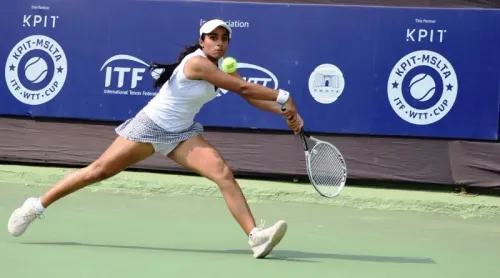
GBRC has already begun collecting samples, with the first batch drawn from tennis players affiliated with the Gujarat State Tennis Association. The next phase will cover athletes in archery, fencing, judo and shooting from the Vijayi Bharat Foundation. The programme aims to collect approximately 2,000 samples this year, scaling to around 10,000 samples over five years. Athletes are grouped into three age brackets: below 14, aged 14 to under 18, and above 18, with state and national champions designated as a priority group.
Sports covered span a wide range of disciplines — from athletics, swimming, boxing, wrestling, judo and gymnastics to football, hockey, kabaddi, badminton, table tennis, archery, shooting and chess.
What the Government Said
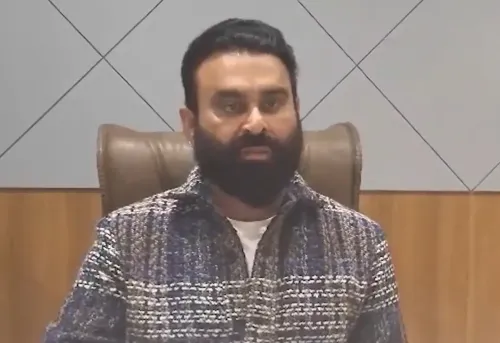
Science and Technology Minister Arjun Modhwadia said the initiative would integrate genomics with sports science, physiology and nutrition. 'Under the guidance of Chief Minister Bhupendra Patel, the initiative, being undertaken by the Gujarat Biotechnology Research Centre under the Department of Science and Technology, seeks to combine genomics with sports science, physiology and nutrition to create a more scientific and evidence-based approach to sporting talent. Gujarat is the first state in India to launch a Sport Genomics Programme,' he said.
P. Bharathi, Secretary of the Department of Science and Technology, noted that traditional talent identification relies on physical measurements, coaching assessments and trial performance. 'Gujarat's proposed model seeks to add genetic and biological information to this process, providing a more comprehensive picture of an athlete,' she said.
Digvijaysinh Jadeja, Mission Director of the Gujarat State Biotechnology Mission, said whole-genome sequencing would be a key component, particularly for athletes in endurance and power categories.
The Gujarat Athlete Genome Database
A central deliverable of the programme is the proposed Gujarat Athlete Genome Database (G-AGD), which will consolidate genetic, physiological and sporting-performance data into a single long-term resource. The database is expected to support athlete profiling, genotype-based performance prediction models via bioinformatics analysis, and personalised approaches to training, nutrition and recovery.
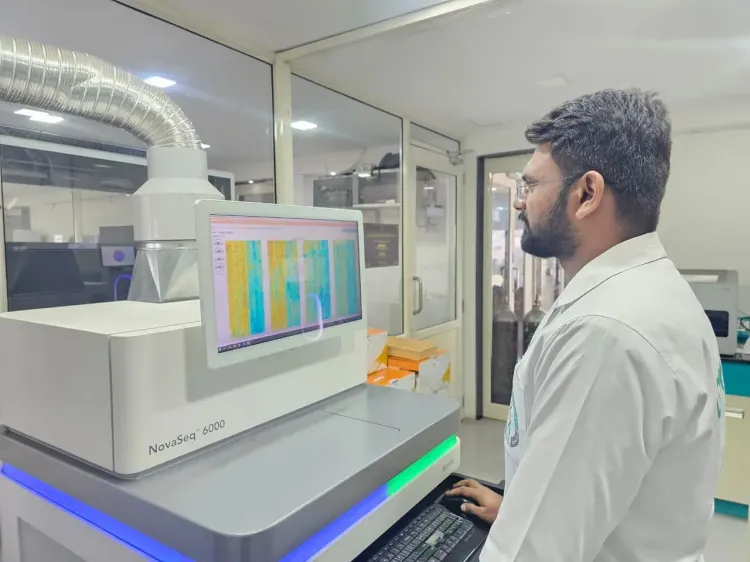
GBRC has the infrastructure to support the programme, including NovaSeq 6000, GridION and PromethION sequencing platforms, Illumina iScan, Illumina DRAGEN and high-performance computing facilities. The centre has also advertised research positions specifically for the sports genomics project.
Data Privacy and Governance
Given the sensitivity of genetic information, the programme proposes safeguards covering informed consent, data security, controlled access and responsible use. Athlete identities will be protected through a two-level barcoding system. Governance mechanisms are described as critical as the database expands over the five-year horizon.
With the 2030 Commonwealth Games providing a clear deadline, Gujarat's programme places the state at the intersection of genomics, sports science and high-performance training — a model that, if it delivers results, could influence how other Indian states approach athlete development.
Point of View
But the science demands scrutiny. Sports genomics remains an evolving field — no validated panel of genetic markers reliably predicts elite athletic success, and most peer-reviewed evidence cautions against deterministic interpretations of genomic data. The programme's stated acknowledgement that genetics is one factor among many is the right framing, but the real test will be whether the Gujarat Athlete Genome Database produces actionable, peer-reviewed insights or simply becomes a large and underutilised dataset. With the 2030 Commonwealth Games as a hard deadline, the pressure to show results quickly could push the programme toward premature conclusions. Governance of sensitive genetic data at scale — particularly for minors below 14 — will also require independent oversight that goes beyond internal safeguards.
NationPress
28 Aug 2026
Frequently Asked Questions
What is Gujarat's Sports Genomics Programme?
It is India's first state-level programme using whole-genome sequencing to analyse athletes' DNA alongside physiological and performance data, with the goal of making talent identification more evidence-based. Implemented by the Gujarat Biotechnology Research Centre, it targets 2,000 samples this year and 10,000 over five years.
Why is Gujarat launching this programme now?
The programme is timed ahead of National Sports Day on 29 August and Gujarat's preparations for the 2030 Commonwealth Games. Officials want to build a scientific dataset that can inform athlete development over a multi-year horizon before the Games.
Which sports and age groups are covered?
The programme spans over 20 disciplines including athletics, swimming, boxing, hockey, kabaddi, badminton, archery, shooting and chess. Athletes are grouped into three age categories: below 14, aged 14 to under 18, and above 18, with state and national champions prioritised.
Does DNA testing alone determine whether an athlete will succeed?
No. Scientists involved in the programme have explicitly stated there is no single 'sports gene' that predicts athletic success. Genomic data is intended to supplement — not replace — conventional coaching, physical assessments and performance trials.
How will athlete data privacy be protected?
The programme proposes informed consent, data security protocols, controlled access and a two-level barcoding system to anonymise athlete identities. Governance mechanisms are described as critical as the Gujarat Athlete Genome Database scales up over five years.