Gujarat CM Office: Valsad ITI Gets PPP Upgrade Under PMSETU
Synopsis
Gujarat's Chief Minister's Office announced the PPP-model modernisation of Valsad district's ITI under the central PMSETU scheme, aiming to equip local youth with world-class vocational skills and expand employment opportunities in the coastal industrial district.
Key Takeaways
The Chief Minister's Office of Gujarat announced modernisation of Valsad district's ITI via a PPP model under the PMSETU scheme .
The project is described as a 'game-changer' for Valsad youth, promising world-class, globally competitive vocational skills.
The PPP structure brings industry partners directly into infrastructure and curriculum upgrades, reducing the government-only bottleneck that has historically slowed ITI modernisation.
The initiative is framed under PM Narendra Modi 's national skilling vision and CM Bhupendrabhai Patel 's state-level direction.
No specific capital outlay or project completion timeline was disclosed in the announcement.
A district-level vocational training centre in Valsad, Gujarat, is at the centre of a push that the state government says could redefine how young Indians enter the workforce. The Chief Minister's Office of Gujarat announced on Saturday, 4 October 2026, that the Industrial Training Institute (ITI) in Valsad district is being modernised through a Public-Private Partnership (PPP) model under the PMSETU scheme — a move framed as a 'game-changer' for the region's youth.
What PMSETU Brings to Valsad's ITI
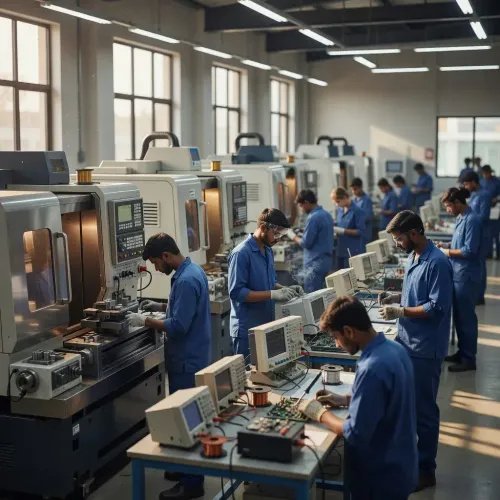
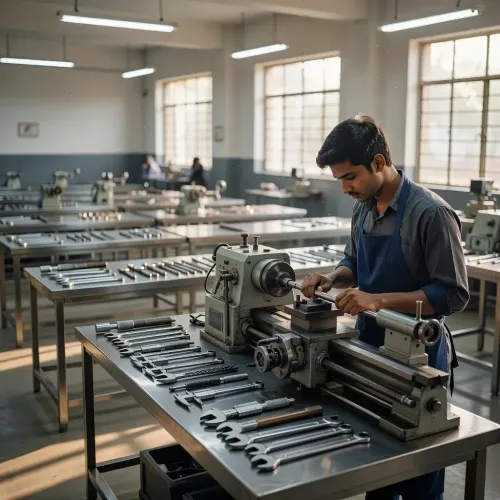
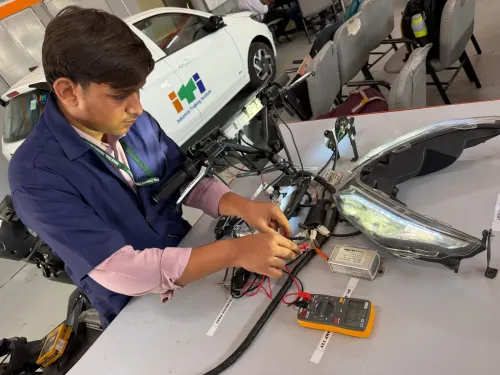
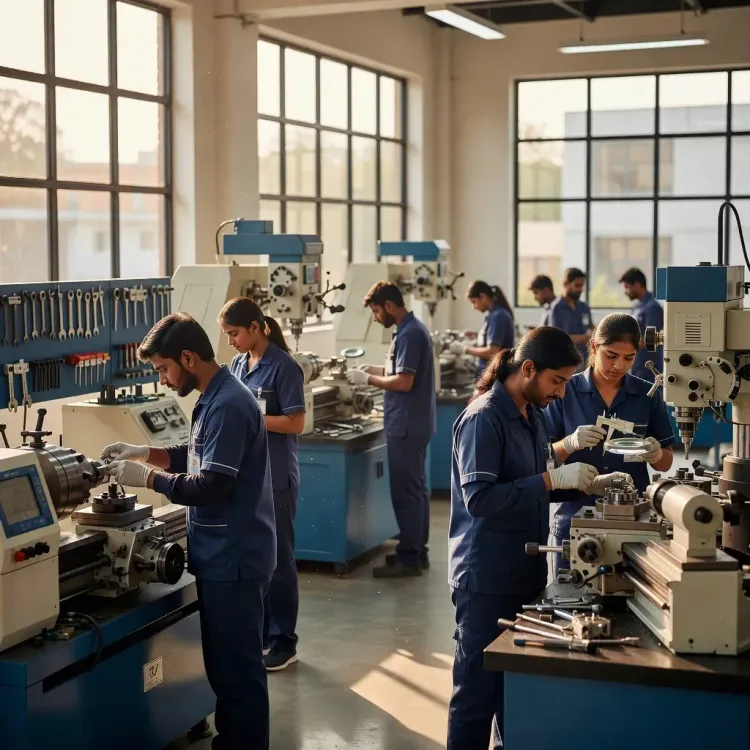
The post, written in Gujarati, states that the project will give Valsad's youth 'વૈશ્વિક કક્ષાનું કૌશલ્ય' — world-class skills — and 'open new doors of employment.' The PPP model places industry partners alongside the government in upgrading the ITI's infrastructure, curriculum, and training equipment, blending public accountability with private-sector relevance. The goal is to align what students learn with what employers actually need.
The PMSETU (PM Skill and Employment To Youth) scheme is a central-government framework designed to channel resources into vocational training institutions across India. By routing modernisation funds and industry partnerships through this scheme, the Valsad project connects a single district ITI to a national skilling architecture — ensuring upgraded standards rather than ad-hoc renovation.
Gujarat's Skilling Benchmark Ambition
The CMO framed the Valsad project within a wider state claim: that Gujarat, under Prime Minister Narendra Modi's national leadership and Chief Minister Bhupendrabhai Patel's direction, is 'setting new benchmarks across the country' in the skill development sector. The language is deliberate — Gujarat has historically positioned its ITI network as a model for industrial-linked training, given the state's dense manufacturing and port-trade ecosystem.
Valsad, a coastal district in southern Gujarat, has a significant presence of chemical, textile, and allied industries. An upgraded ITI with PPP backing would, in theory, produce trade-certified workers whose skills map directly to local employer needs — cutting the gap between graduation and placement.
Industry-Government Coordination as the Core Mechanism
The announcement highlights 'સરકાર અને ઉદ્યોગો વચ્ચેનો આ શ્રેષ્ઠ સમન્વય' — 'the best coordination between government and industry' — as the engine of the project. That framing matters: ITI modernisation has historically stalled when it remained a purely government exercise, with equipment procured without industry input and syllabi that lagged behind the shop floor by years. A PPP structure, when implemented well, puts employers in the room when training modules are designed.
No capital expenditure figure or timeline for completion was specified in the announcement. The video attached to the post is expected to carry further programme details.
If the Valsad model delivers on its promise, it becomes a template — and Gujarat already has the political incentive to replicate it, district by district, before the next cycle of skilling reviews.
Point of View
But its impact hinges entirely on which industry partners sign on and how binding their curriculum commitments are. Gujarat's decision to publicise this through the CMO's official channel rather than a departmental release signals it wants maximum political attribution. Watch whether the model gets replicated across other ITIs in the state's industrial districts — that replication, or its absence, will tell the real story about ambition versus execution.
NationPress
3 Oct 2026
Frequently Asked Questions
What is the PMSETU scheme and how does it relate to ITI modernisation in Gujarat?
PMSETU (PM Skill and Employment To Youth) is a central-government framework that channels funds and industry partnerships into vocational training institutions. Gujarat is using it to upgrade the Valsad district ITI through a Public-Private Partnership model, connecting the institution to national skilling standards.
What is the PPP model in the context of ITI upgrades?
Under the PPP (Public-Private Partnership) model for ITI modernisation, private-sector companies co-invest in and co-design the training infrastructure, equipment, and curriculum alongside the government, ensuring that skills taught align with actual industry requirements and hiring needs.
Where is Valsad district and why is it significant for skill development?
Valsad is a coastal district in southern Gujarat with a concentration of chemical, textile, and allied manufacturing industries. An upgraded ITI there would produce trade-certified workers whose skills directly match local employer demand, shortening the time between graduation and employment.
Who announced the Valsad ITI modernisation project?
The Chief Minister's Office of Gujarat announced the project on 4 October 2026, attributing it to PM Narendra Modi's national leadership and Chief Minister Bhupendrabhai Patel's state-level direction.
What specific funding or timeline has been announced for the Valsad ITI upgrade?
No specific capital expenditure figure or project completion timeline was disclosed in the CMO's announcement. The attached video is expected to carry additional programme details.