CM Gujarat's Office Marks PM Modi's 12 Years in Power
Synopsis
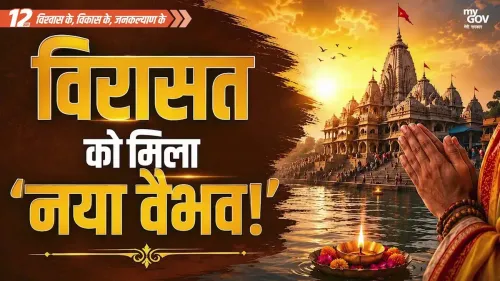
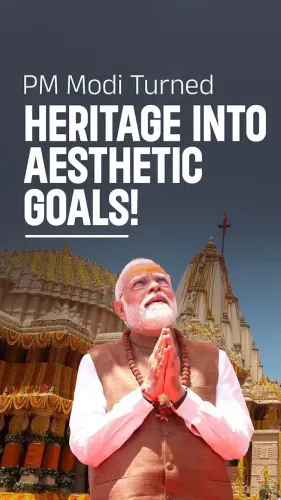
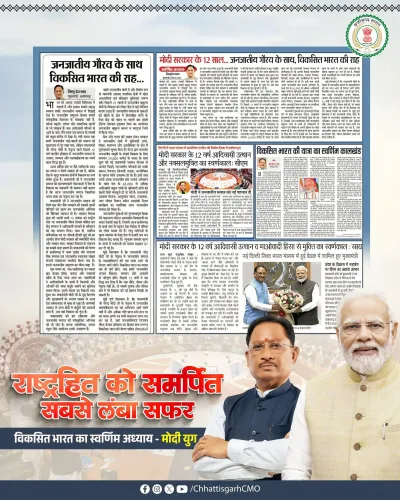
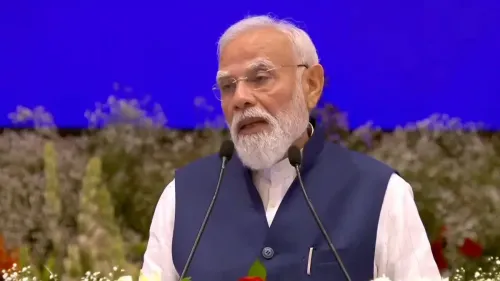
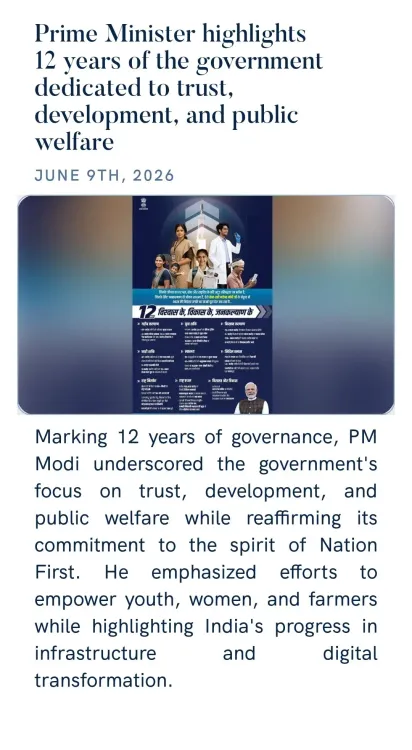
The Chief Minister's Office of Gujarat on 9 June 2026 relayed Prime Minister Narendra Modi's message marking twelve years of the BJP-led central government, anchoring the milestone around themes of trust, development, and public welfare delivered via the NaMo App.
Key Takeaways
The Gujarat CMO's official X account shared Prime Minister Narendra Modi 's message on 9 June 2026 marking twelve years of the BJP-led central government.
The message was disseminated through the NaMo App , the government's dedicated citizen-outreach platform.
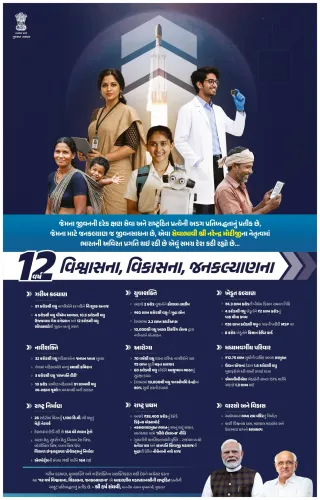
The three stated pillars of the twelve-year record are trust, development, and public welfare — consistent with the 'Sabka Saath, Sabka Vikas, Sabka Vishwas' framework.
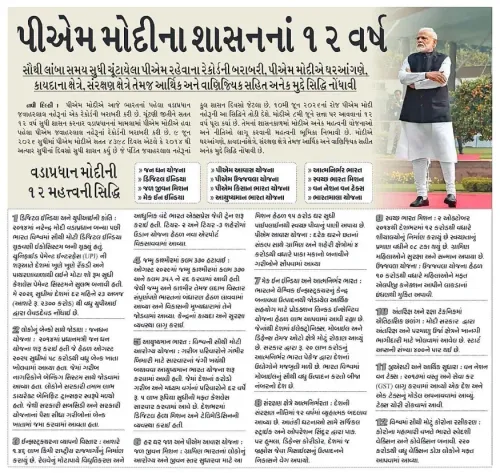
Flagship welfare programmes including PM-KISAN and Ayushman Bharat , and infrastructure schemes such as Bharatmala and UDAN , form the policy backbone of this narrative.
State-level amplification by offices like the Gujarat CMO is a consistent feature of how the central government localises milestone messaging.
Future Independence Day addresses and Union Budget presentations are expected to carry further details on welfare and infrastructure commitments.
The Chief Minister's Office of Gujarat on Tuesday, 9 June 2026 amplified Prime Minister Narendra Modi's message marking twelve years of the BJP-led central government, highlighting themes of trust, development, and public welfare via the official NaMo App.
Context
The post, shared by the Gujarat CMO's official X account, relays Prime Minister Modi's own statement underlining a governance journey that began in May 2014 when he was first sworn in as Prime Minister. The message was routed through the NaMo App, the BJP government's dedicated citizen-outreach platform, and carries the Prime Minister's framing of the past twelve years as a period defined by three pillars: trust, development, and public welfare.
The linked communication describes the period as one of 'trust, development, and public welfare' — a formulation that echoes the 'Sabka Saath, Sabka Vikas' ('Together with all, development for all') slogan that has anchored the government's messaging since its first term.
Policy Backdrop
When Narendra Modi took office in May 2014, his administration introduced the 'Sabka Saath, Sabka Vikas' framework, which was later expanded to include 'Sabka Vishwas' (trust of all) after the 2019 general election. The addition of 'trust' to the slogan was a deliberate signal of the government's intent to deepen its welfare delivery architecture.
Over two full terms, flagship programmes such as PM-KISAN, Ayushman Bharat, and infrastructure initiatives including Bharatmala and the UDAN regional aviation scheme were launched and scaled. These programmes operationalised the development and welfare narrative that the Prime Minister's 12-year milestone message now references.
Direct-benefit transfers — a mechanism that routes welfare payments directly into beneficiaries' bank accounts — became a signature delivery tool, intended to reduce leakage and build the 'trust' the government frequently cites as a central achievement.
Stakeholders and Impact
The primary audience for messaging of this nature is India's vast welfare-scheme beneficiary base, which spans hundreds of millions of citizens enrolled in programmes covering health insurance, agricultural income support, housing, and rural employment. The NaMo App channel ensures the communication reaches a politically engaged, smartphone-owning segment of that base directly.
State units such as the Gujarat CMO play a critical role in localising and amplifying the central government's narrative, particularly in a state that has historically been viewed as the political home ground of Prime Minister Modi. Their re-sharing of the message extends its reach beyond the Prime Minister's own handles and into state-level public discourse.
What's Next
Milestone anniversary communications of this kind typically precede or accompany broader national outreach campaigns. Upcoming occasions such as Independence Day addresses or Union Budget presentations are likely venues where the government may elaborate on scheme extensions, new welfare outlays, or infrastructure targets for the years ahead.
How state-level offices continue to echo and localise this central narrative will be a signal worth watching, particularly as future electoral cycles draw closer and the BJP seeks to consolidate its governance record as a key campaign theme.
Point of View
Where state units reinforce the Centre's narrative to maximise geographic and demographic reach. The choice of the NaMo App as the primary channel signals a continued preference for direct-to-citizen outreach that bypasses traditional media gatekeepers. Framing twelve years around 'trust' is politically significant — it is a pre-emptive rebuttal to opposition narratives around institutional credibility. As future electoral cycles approach, this kind of anniversary messaging will likely intensify, with each state unit calibrating the central themes to local contexts.
NationPress
23 Oct 2026
Frequently Asked Questions
Why is the Gujarat CMO posting about PM Modi's 12 years in government?
The Gujarat CMO shared PM Modi's message as part of the BJP's established practice of using state-level official accounts to amplify the central government's milestone communications, extending reach to local audiences.
What are the main themes of PM Modi's 12-year governance message?
The Prime Minister's message centres on three themes: trust, development, and public welfare — a formulation consistent with the government's long-running 'Sabka Saath, Sabka Vikas, Sabka Vishwas' policy framework.
What is the NaMo App and why was this message shared through it?
The NaMo App is the BJP government's official citizen-outreach platform, used to communicate directly with supporters and the public, bypassing conventional media channels.
What welfare schemes has the Modi government launched in 12 years?
Key schemes include PM-KISAN for farmer income support, Ayushman Bharat for health insurance, and infrastructure programmes such as Bharatmala and UDAN, all of which are cited as evidence of the government's welfare and development record.
When did Narendra Modi first become Prime Minister of India?
Narendra Modi was first sworn in as Prime Minister of India in May 2014, marking the start of the twelve-year period referenced in the June 2026 message.