Gujarat CMO Warns Citizens Against Social Media Rumours
Synopsis
The Chief Minister's Office of Gujarat on 25 July 2026 issued a public advisory in Gujarati warning citizens against misleading social media rumours, urging them to trust only official state and district administration communications.
Key Takeaways
The Chief Minister's Office of Gujarat issued a social media advisory on 25 July 2026 warning against circulating rumours.
Citizens were asked neither to believe nor to share misleading rumours spreading on social media platforms.
The advisory directs people to rely only on information from the state government and local district administrations .
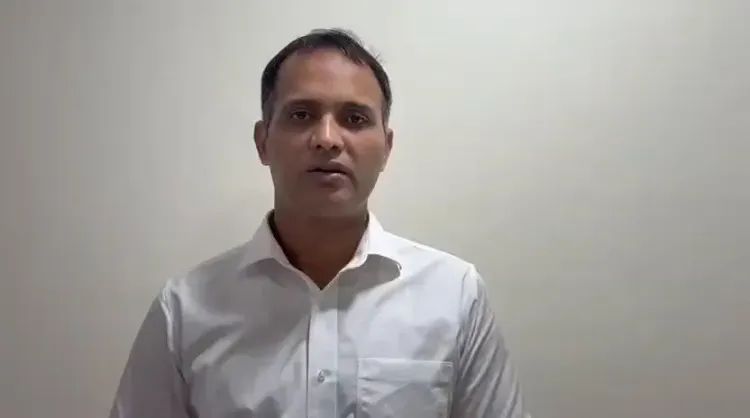
The post was published in Gujarati and accompanied by a video, indicating a multi-format outreach effort.
The advisory aligns with India's IT (Intermediary Guidelines and Digital Media Ethics Code) Rules, 2021 , which provide a framework for addressing online misinformation.
Follow-up statements from district collectors or state departments may clarify the specific context behind the advisory.
The Chief Minister's Office of Gujarat issued a public advisory on Saturday, 25 July 2026, urging all citizens of the state to guard against misleading rumours circulating on social media platforms and to rely solely on verified information from official government sources.
What the Advisory Says
The post, published in Gujarati, opens with a direct warning: 'સાવધાન! અફવાઓથી બચો' ('Beware! Stay away from rumours'). Citizens are specifically asked not to believe or share 'ભ્રામક અફવાઓ' — misleading or deceptive rumours — that are spreading on social media. The advisory requests that people take note only of authentic information provided by the state government and local district administrations.
The CMO's appeal covers both the act of believing unverified content and the act of forwarding it further, recognising that rapid sharing amplifies the reach and potential harm of false information.
Context
Social media advisories of this nature are a well-established tool in Indian state governance, employed when a surge of unverified claims risks affecting public order or citizen behaviour. Gujarat's district administrations serve as the primary on-the-ground authorities for issuing verified updates on local situations, and the CMO's post reinforces their role as trusted sources.
India's Information Technology (Intermediary Guidelines and Digital Media Ethics Code) Rules, 2021, created formal mechanisms for governments to address online misinformation, giving institutional weight to advisories of this kind. The Gujarat government's communication aligns with this broader national framework.
Policy Backdrop
Multiple Indian state governments have issued similar advisories across different contexts, from natural disasters and communal sensitivities to public health emergencies. The pattern reflects a broader recognition that official communication channels must actively compete with the speed of informal information networks on platforms such as WhatsApp, Facebook, and X.
The CMO's decision to use its own social media presence to counter social media misinformation is itself significant — it signals an effort to meet citizens on the same digital terrain where rumours originate and travel.
Stakeholders and Impact
The advisory is directed at all Gujarat citizens and social media users within the state. District-level authorities — Collectors and local administration offices — are implicitly positioned as the authoritative voices citizens should follow for ground-level updates.
When misinformation spreads rapidly, it can trigger panic, affect supply chains, strain law enforcement, or deepen social tensions. By issuing a pre-emptive or responsive advisory, the CMO seeks to slow the velocity of unverified claims before they cause measurable harm.
What's Next
Citizens and observers should watch for follow-up statements from individual district collectors or specific state departments that may shed light on the particular information environment that prompted this advisory. The CMO's post, accompanied by a video, suggests the government may be communicating through multiple formats to maximise reach across the state's diverse population.
As social media usage continues to expand across Gujarat, institutional communication strategies that proactively address misinformation are likely to become a more regular feature of state governance rather than an exceptional response.
Point of View
This reflects a growing consensus that managing public information is now as important as managing physical infrastructure. The advisory's reach will ultimately depend on whether district administrations follow it with specific, timely updates that give citizens credible alternatives to informal information networks.
NationPress
25 Jul 2026
Frequently Asked Questions
Why did the Gujarat CMO issue a rumour advisory on 25 July 2026?
The Chief Minister's Office of Gujarat issued the advisory to warn citizens against believing or sharing misleading rumours spreading on social media, urging reliance on official state and district government sources. The specific trigger has not been officially disclosed.
What should Gujarat citizens do if they see rumours on social media?
According to the CMO advisory, citizens should not believe or forward unverified claims on social media. They should instead follow official communications from the Gujarat state government and their respective district administrations.
Which official sources should Gujarat residents trust for verified information?
The CMO's advisory specifically points to the state government and local district administration — including district collectors' offices — as the authoritative sources for verified public information.
Is there a law against spreading rumours on social media in India?
India's Information Technology (Intermediary Guidelines and Digital Media Ethics Code) Rules, 2021 create mechanisms to address online misinformation. Spreading certain categories of false information can attract legal consequences under the IT Act and the Indian Penal Code.
Has Gujarat issued social media advisories like this before?
Indian state governments, including Gujarat, have periodically issued advisories urging citizens to rely on official sources during periods of heightened information flow. This is a recognised governance practice across multiple states.