Jamaat-e-Islami's 'moral leadership' claim tested by MP Gazi scandal
Synopsis
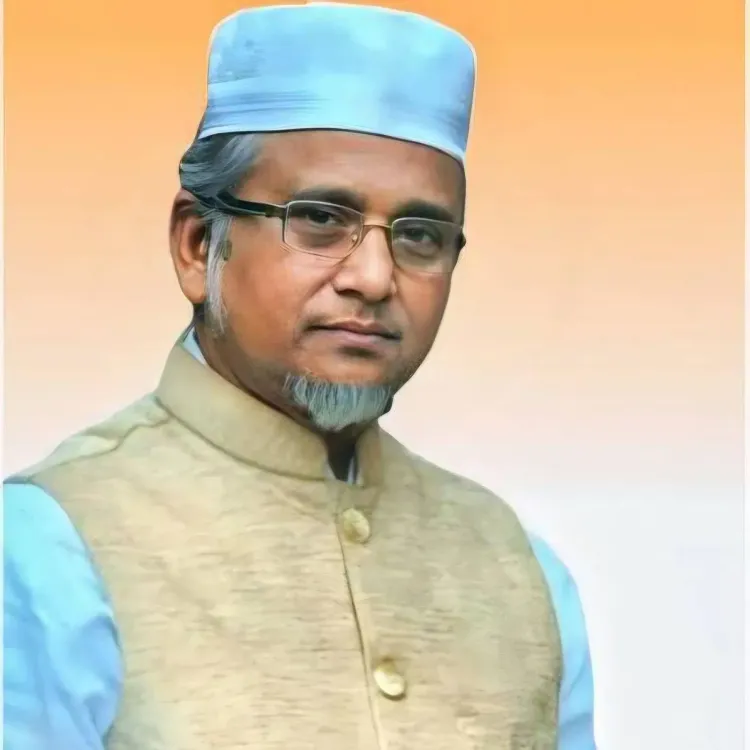
A viral scandal involving Satkhira-4 MP Gazi Nazrul Islam has done more than embarrass one lawmaker — it has cracked the moral authority that Jamaat-e-Islami has spent decades building. The party's delayed expulsion of Gazi, critics argue, reveals the distance between its ethical branding and its instinct for political self-preservation.
Key Takeaways
Jamaat-e-Islami MP Gazi Nazrul Islam of Satkhira-4 became embroiled in a viral social media controversy from Monday night onwards.
Video clips purportedly showing Gazi in an intimate situation with a young woman circulated widely, prompting public outrage.
After days of sustained media pressure, Jamaat found Gazi guilty of 'moral misconduct' and expelled him from the party.
The episode has reignited scrutiny of Jamaat-e-Islami's long-held claim to be a morally superior political alternative in Bangladesh.
Observers note a pattern of similar controversies involving Jamaat leaders, raising questions about whether the party applies its stated standards consistently.
Bangladesh's Jamaat-e-Islami, which has long projected itself as a morally superior political force, is facing an uncomfortable reckoning following a viral controversy involving Satkhira-4 lawmaker Gazi Nazrul Islam. The episode, which surfaced on social media on Monday night, has prompted wider scrutiny of the party's foundational claim to ethical leadership, according to a report in Bangladesh's Daily Sun.
The Controversy
Video clips reportedly showing Gazi Nazrul Islam in an intimate situation with a young woman circulated widely online from Monday night onwards, triggering strong public reactions. The footage, described as purportedly authentic, generated sustained media coverage and a broad public debate within Bangladesh over the days that followed.
After an internal inquiry, Jamaat-e-Islami announced it had found Gazi guilty of 'moral misconduct' and expelled him from the party. The decision came only after days of mounting pressure, a timeline that critics argue reveals the gap between the party's stated values and its institutional instincts.
Why Jamaat's Image Is at Stake
'Political parties are often remembered less for the scandals they face than for how they respond to them,' the Daily Sun report observed. For Jamaat, the controversy has become, in the report's framing, 'more than an individual failing — it has become a test of the party's long-cherished claim to moral leadership.'
For decades, Jamaat-e-Islami has sought to distinguish itself from rivals not merely through a different political programme but through what it describes as a different moral compass — cultivating an image of discipline, piety, and ethical governance. That carefully constructed narrative, according to the report, 'has now collided with a reality the party cannot easily explain away.'
A Pattern, Not an Isolated Incident
The report argues that the Gazi episode is not a standalone event. Over the years, Jamaat has periodically found itself defending the conduct or public statements of individual leaders whose actions sat uneasily with its professed image of moral rectitude. In each instance, the party maintained that individual failings should not be conflated with institutional values.
'Yet repeated controversies inevitably invite questions about whether the organisation applies its professed standards consistently and without exception,' the Daily Sun noted. Critics argue the pattern suggests a structural disconnect between public posturing and internal accountability.
Damage Control and Its Limits
While Jamaat's decision to expel Gazi may have contained the immediate political fallout, observers quoted in the report suggest it cannot fully repair the reputational damage. The party, they argue, 'struggled to reconcile its professed values with the realities of political self-preservation' — a perception that may outlast the immediate controversy.
'For an organisation that has long claimed to embody ethical politics, that perception may prove to be the more enduring consequence of this controversy,' the report concluded.
What Comes Next
The expulsion of Gazi Nazrul Islam closes the immediate chapter, but the broader credibility question for Jamaat-e-Islami remains open. As Bangladesh's political landscape remains in flux, how the party manages the gap between its moral branding and its institutional responses will likely shape its standing among voters who backed it precisely for its ethical claims.
Point of View
Then act decisively enough to claim institutional integrity. But the sequence matters — the expulsion came after days of media scrutiny, not before, which is precisely what critics will remember. For a party whose entire political identity rests on being held to a higher standard, the timing is as damaging as the scandal itself. Bangladesh's opposition landscape is crowded, and if Jamaat cannot credibly enforce its own moral code, its differentiation from the parties it criticises becomes rhetorical rather than real.
NationPress
25 Jul 2026
Frequently Asked Questions
What is the controversy involving Jamaat-e-Islami MP Gazi Nazrul Islam?
Video clips purportedly showing Satkhira-4 lawmaker Gazi Nazrul Islam in an intimate situation with a young woman went viral on social media from Monday night onwards. The footage triggered widespread public debate and sustained media coverage in Bangladesh, eventually leading to Jamaat-e-Islami expelling him for 'moral misconduct' following an internal investigation.
Why does this scandal matter for Jamaat-e-Islami beyond one lawmaker?
Jamaat-e-Islami has built its political identity around claims of moral discipline and ethical leadership, positioning itself as a superior alternative to rival parties. The controversy — and the party's delayed response — has exposed what critics describe as a gap between that public narrative and its institutional handling of misconduct, undermining its core brand.
What action did Jamaat-e-Islami take against Gazi Nazrul Islam?
Following an internal inquiry conducted after days of public pressure, Jamaat-e-Islami found Gazi guilty of 'moral misconduct' and expelled him from the party. Critics argue the delay in acting reflects a tension between the party's stated values and its instinct for political self-preservation.
Is this an isolated incident for Jamaat-e-Islami?
According to reports, the Gazi episode is not isolated. Jamaat has periodically faced controversies involving leaders whose conduct conflicted with its image of moral rectitude. In each case, the party has argued that individual failings do not reflect institutional values — a position that repeated incidents have made harder to sustain.
What is the longer-term impact of this controversy on Jamaat-e-Islami?
Observers suggest that while Gazi's expulsion may have limited immediate political damage, the perception that Jamaat 'struggled to reconcile its professed values with political self-preservation' could prove more enduring. For a party whose electoral appeal rests on moral credibility, reputational erosion may outlast the specific scandal.