Is BNP’s Tarique Rahman Right to Warn Against Jamaat’s Remarks on Women’s Safety?
Synopsis
As the February 12 elections approach, BNP's Tarique Rahman challenges Jamaat-e-Islami's harmful rhetoric about women, emphasizing the urgent need for women’s safety and rights in Bangladesh. This clash highlights the rising political tensions that could shape the country’s future.
Key Takeaways
Tarique Rahman criticizes Jamaat-e-Islami for their derogatory remarks about women.
The comments pose a serious threat to women's safety and rights.
Jamaat's denial of involvement raises questions about accountability.
Women play a crucial role in the workforce despite societal challenges.
Critics warn of a regressive political path ahead of the elections.
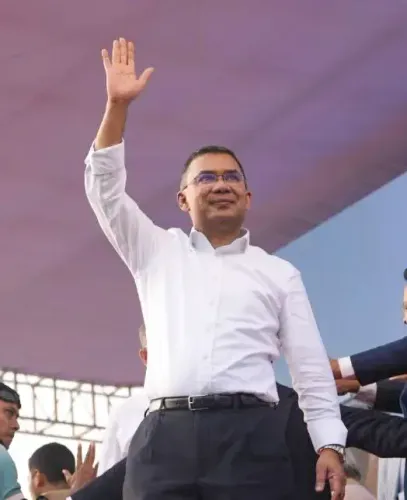
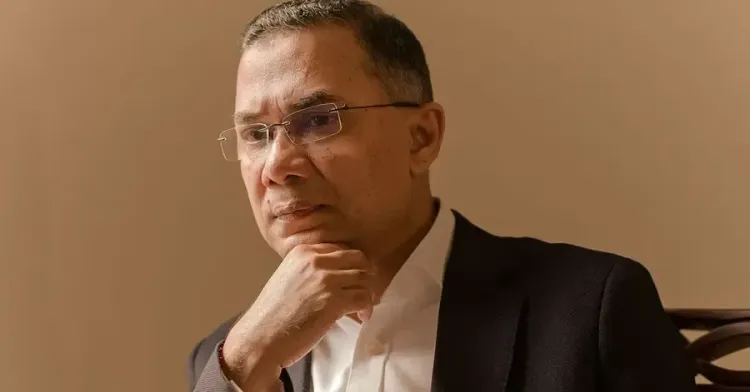
Dhaka, Feb 3 (NationPress) As political tensions rise in Bangladesh ahead of the elections on February 12, Bangladesh Nationalist Party (BNP) Chairman Tarique Rahman has vehemently condemned the radical Islamist group Jamaat-e-Islami for their disparaging comments about women. He asserts that such rhetoric endangers women’s safety and fundamental rights within the nation, according to local media sources.
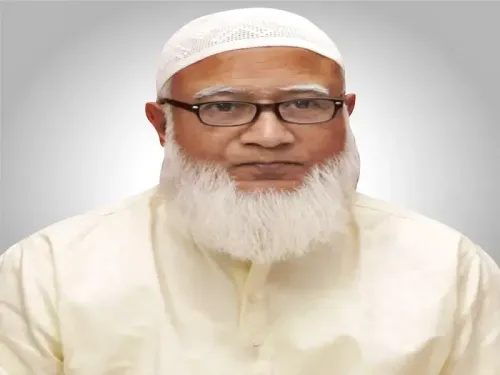
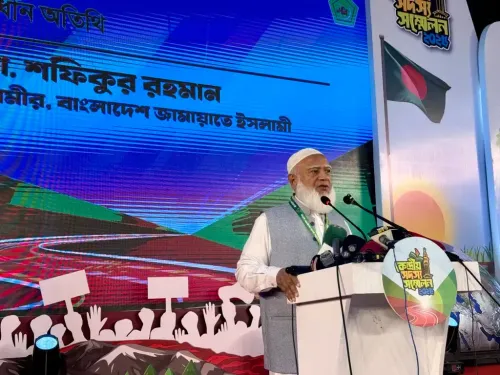
The controversy ignited following a social media post by Jamaat leader Shafiqur Rahman, who claimed that women forced from their homes under the guise of modernity are subjected to exploitation, moral degradation, and insecurity, labeling it as “another form of prostitution.” This statement has drawn widespread criticism.
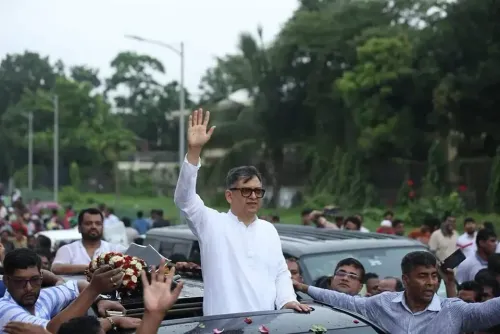
“Those who show disrespect toward the women of this country and use demeaning language against them cannot be true patriots or advocates of the people. A political faction aims to confine mothers and sisters to their homes before the elections. They make lurid remarks regarding their employment. The populace is not safe from those who lack respect for their own women,” Bonik Barta reported Tarique as saying during a rally in Khulna on Monday afternoon.
“A leader has outright declared their disbelief in women’s leadership. The comments made about working mothers and sisters are a disgrace to our society. Women are now integral to our workforce, from the garment sector to various households, especially with rising living costs compelling both partners to contribute economically. Yet, this group continues to belittle them,” he added.
Following the viral nature of the Jamaat leader's post, the party claimed that the account had been compromised, denying Rahman's involvement. This prompted skepticism over whether it was a legitimate security breach or a strategic move to distance the leader from the backlash.
Tarique dismissed the hacking excuse, calling it a falsehood in light of the controversial statements. He stated, “In response to intense backlash, they claim the account was hacked. Experts argue that such a scenario is implausible. A senior political figure is misrepresenting facts to the public before the elections. Those who lie so openly can never serve the country well; they are only concerned about their interests and misuse religion as a façade.”
Previously, on Sunday, Nurunnisa Siddika, the Secretary of Jamaat’s Women’s Wing, asserted that women cannot occupy the highest leadership roles within the party, citing Islamic principles that purportedly prohibit women from serving as ameer. “According to the Quran, men are the leaders of women, which is seen as a divine directive in Islam,” she reportedly stated in The Dhaka Tribune.
With the national elections just nine days away, critics warn that Jamaat’s ongoing misogynistic discourse and their decision to exclude female candidates from the upcoming polls could steer the nation towards a regressive political climate.
Point of View
It's crucial to recognize the societal implications of such rhetoric. As the country gears up for elections, the focus on women's rights and safety becomes paramount. The BNP's critique serves as a reminder of the ongoing struggle for gender equality in Bangladesh's political sphere.
NationPress
3 Oct 2026
Frequently Asked Questions
What is the context of Tarique Rahman's remarks?
Tarique Rahman criticized Jamaat-e-Islami for their derogatory comments about women amidst rising political tensions before the February elections.
What did Jamaat-e-Islami's leader say about women?
Jamaat leader Shafiqur Rahman claimed that women forced from their homes under the pretense of modernity face exploitation and moral decay.
How has Tarique Rahman responded to Jamaat's claims?
Tarique Rahman dismissed Jamaat's claim of hacking as a falsehood and emphasized the need for respect toward women.
What are the implications of Jamaat's stance on women in leadership?
Critics argue that Jamaat's exclusion of women from leadership roles and their misogynistic comments could lead to a regressive political environment.
What is the public response to these political tensions?
Public sentiment is increasingly concerned about the implications of such rhetoric on women's rights and safety ahead of the elections.