Gujarat raises homestay room limit to 9, eases owner residency rules
Synopsis
Gujarat has quietly rewritten its homestay rulebook — raising the room cap to nine, allowing absentee ownership, and ditching mandatory police verification. With registered homestays having already doubled to 304 in a single year, the new policy bets that cutting red tape further will turn community-based tourism into a genuine livelihood engine across the state.
Key Takeaways
Gujarat's Tourism Department raised the homestay room cap from six to nine on 20 November 2026 .
Owners no longer need to reside on-site; they can appoint authorised managers to run operations.
The police verification certificate requirement at registration has been waived; tourist safety rules remain.
Renewals are now fully online via self-declaration , removing mandatory physical inspections.
Registered homestays in Gujarat grew 105.4% — from 148 in 2025-26 to 304 in 2026-27.
A guidance workshop on business planning, pricing, and digital marketing has been organised by Gujarat Tourism Corporation Limited .
The Gujarat government has overhauled its homestay regulations, raising the maximum permitted room count from six to nine and scrapping the requirement for owners to live on-site — changes the state says are designed to broaden community-based tourism and lower the barrier to entry for local entrepreneurs. The revised framework was announced by the Gujarat Tourism Department on 20 November 2026.
Key Changes in the Revised Policy
Under the new rules, homestay owners are permitted to appoint authorised managers to oversee day-to-day operations, effectively allowing absentee ownership for the first time. The requirement to submit a police verification certificate at the time of registration has also been waived, though existing tourist safety regulations remain in force.
Registrations will continue to be valid for two years, and renewals can now be completed entirely online via a self-declaration facility — without a mandatory physical inspection. The Tourism Department, however, retains the authority to conduct risk-based or random inspections at its discretion.
What Deputy CM Sanghavi's Push Means for Ease of Doing Business
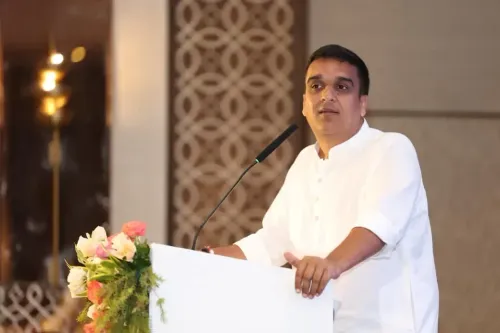
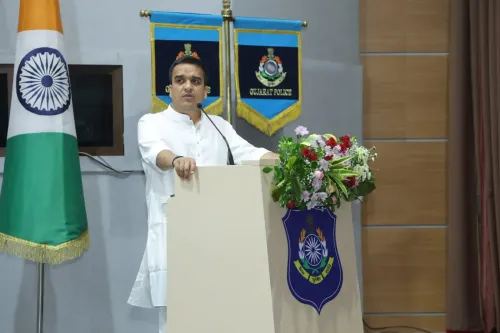
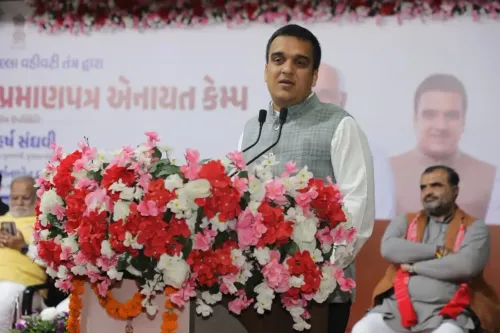
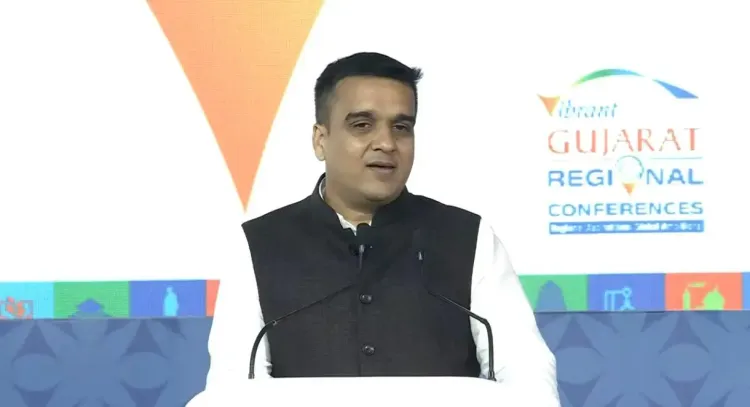
The overhaul has been introduced under the leadership of Deputy Chief Minister Harsh Sanghavi, with the stated objective of strengthening the state's ease of doing business profile and enabling more residents to participate in Gujarat's tourism economy. The registration process has been moved online, with applications processed through the Gujarat Tourism Corporation Limited's portal.
Alongside the policy changes, Gujarat Tourism Corporation Limited has organised a guidance workshop covering business planning, pricing, digital marketing, and culture-based tourism activities. The workshop is specifically aimed at residents living near tourist destinations who wish to convert their properties into homestay units.
Homestay Numbers Have More Than Doubled
The regulatory easing comes against a backdrop of rapid growth in registered homestays. According to the Tourism Department, Gujarat had 148 registered homestays in 2025-26; that figure climbed to 304 in 2026-27 — a 105.4% increase in a single year. The government has attributed the surge to entrepreneurship-friendly policies and simplified approvals.
Broader Objective: Heritage, Livelihoods, and Local Tourism
The revised framework is designed not only to scale up accommodation capacity but also to allow visitors a more immersive experience of Gujarat's heritage, traditions, and local lifestyles. By allowing larger operations and cutting red tape, the state aims to draw more households into tourism-linked livelihoods — particularly in areas proximate to heritage and pilgrimage sites. The initiative signals a deliberate shift from regulating homestays as a niche offering toward treating them as a mainstream element of the state's tourism infrastructure.
Point of View
Investor-friendly product — a meaningful change for a state that doubled its homestay count in one year without these relaxations. The risk is in the oversight gap: waiving upfront police verification and routine inspection at renewal places the compliance burden on random audits alone, which historically have thin deterrence value. If the state genuinely wants homestays to anchor community tourism rather than become a workaround for unlicensed guesthouses, it will need to invest in the backend enforcement mechanism as seriously as it has invested in the frontend registration portal.
NationPress
20 Nov 2026
Frequently Asked Questions
What are the new homestay rules in Gujarat announced in November 2026?
Gujarat has raised the maximum permitted room count in a registered homestay from six to nine, removed the requirement for owners to live on the premises, and allowed the appointment of authorised managers. The police verification certificate requirement at registration has been waived, and renewals can now be completed online through self-declaration without a mandatory physical inspection.
Why has Gujarat eased its homestay regulations?
The state government says the changes are aimed at improving ease of doing business and enabling more local residents to participate in Gujarat's tourism economy. Deputy Chief Minister Harsh Sanghavi has led the initiative, framing it as part of a broader push to expand community-based tourism and create additional livelihood opportunities near tourist destinations.
How fast is Gujarat's homestay sector growing?
According to the Tourism Department, the number of registered homestays in Gujarat grew from 148 in 2025-26 to 304 in 2026-27 — a 105.4% increase in a single year. The government attributes the growth to entrepreneurship-friendly policies and simplified registration procedures.
How can a property owner register a homestay in Gujarat?
Property owners can apply through the Gujarat Tourism Department's online portal. Registrations are valid for two years and can be renewed digitally via a self-declaration facility, without the need for a physical inspection at the time of renewal.
What does the Gujarat Tourism Corporation Limited workshop cover?
The guidance workshop organised by Gujarat Tourism Corporation Limited covers business planning, pricing strategies, digital marketing, and designing tourism activities rooted in local culture. It is aimed specifically at residents near tourist destinations who want to set up or improve their homestay businesses. Interested participants can register through the Gujarat Tourism website.