Gujarat CM Office: Asia's First Desert Night Safari Coming to Disa
Synopsis
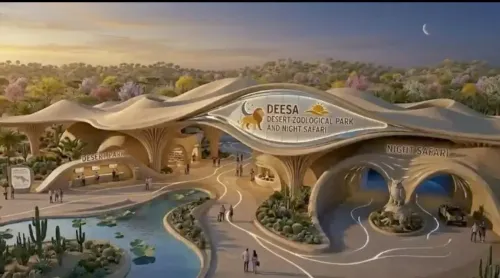
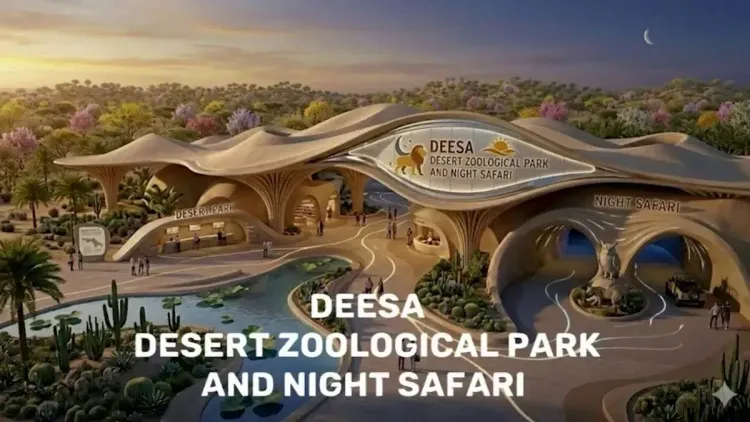
The Chief Minister's Office of Gujarat has announced Asia's first desert-themed drive-through night safari and zoological park at Disa in Banaskantha, to be built by the Gujarat Forest Department at ₹542 crore across 103 hectares, housing over 2,700 animals of 83 species.
Key Takeaways
Gujarat's CMO announced Asia's first desert-themed drive-through night safari park at Disa, Banaskantha .
The project spans 103 hectares and carries a budget of ₹542 crore , executed by the Gujarat Forest Department .
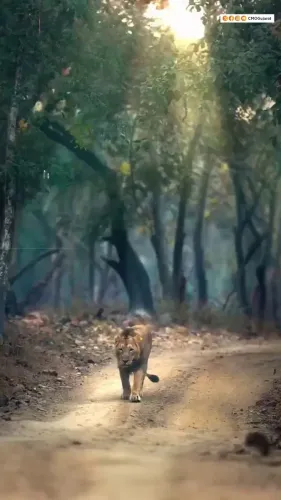
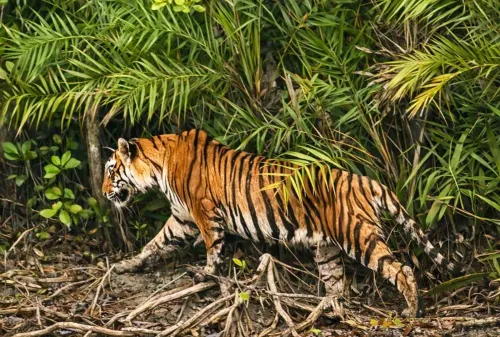
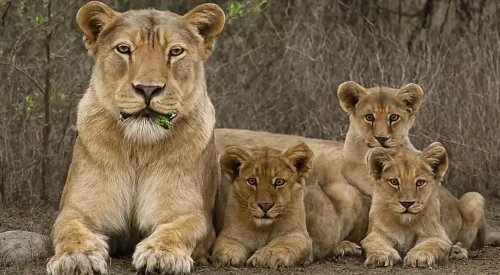
The park will house more than 2,700 animals and birds from approximately 83 species from India and abroad.
The announcement frames the project as generating local youth employment alongside wildlife conservation.
The initiative extends Gujarat's established eco-tourism strategy — built on Rann Utsav and Gir — northward into Banaskantha.
A ₹542 crore ambition is taking shape in the arid north of Gujarat — and if the claim holds, it will put a small Banaskantha town on Asia's tourism map. The Chief Minister's Office of Gujarat announced on Wednesday, 12 August 2026 that Disa in Banaskantha district will host what the state describes as Asia's first desert-themed drive-through night safari park and zoological park, a project that marries wildlife conservation with large-scale eco-tourism.
What is being built at Disa — and how big is it?
Spread across 103 hectares, the park is being developed by the Gujarat Forest Department at a cost of ₹542 crore. The facility is designed to house more than 2,700 animals and birds representing approximately 83 species from India and abroad. The drive-through night safari format — rare in South Asia — is central to the concept, allowing visitors to observe nocturnal wildlife from vehicles in a controlled desert habitat setting.
The post, written in Gujarati, describes the project as the beginning of 'ek navo swarnim adhyay' — 'a new golden chapter' — for Gujarat's tourism sector, and frames it as development that walks in step with environmental conservation.
Gujarat's eco-tourism arc — from Rann Utsav to Disa
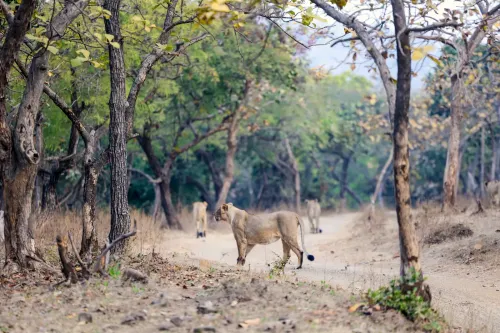
The project does not emerge from a vacuum. Gujarat has steadily built its eco-tourism identity since the early 2000s, anchoring it around the Rann Utsav in the Kutch salt flats and the wildlife corridors of Gir National Park, home to the Asiatic lion. The Disa project extends that logic northward into Banaskantha, a semi-arid belt that has historically sat outside the state's main tourism circuits.
The Gujarat Forest Department is the executing agency, signalling that the state is positioning the park not merely as an entertainment attraction but as a node in its broader wildlife conservation network. Projects of this design typically aim to generate visitor revenue that cross-subsidises habitat maintenance — a model gaining traction in conservation policy circles across South Asia.
Jobs, wildlife, and what the state is promising locally
Beyond the headline tourism pitch, the CMO's announcement explicitly flags employment for local youth as a deliverable. In Banaskantha — a district that borders Rajasthan and has faced recurring drought stress — the promise of structured jobs in hospitality, wildlife management, and park operations carries real economic weight.
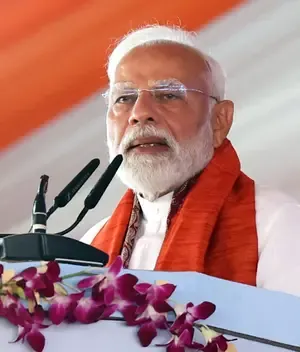
The project is being executed under the direction of Prime Minister Narendra Modi and the leadership of Chief Minister Bhupendra Patel, framing it within the national sustainable-development thrust that links tourism infrastructure to biodiversity protection.
If the 103-hectare night safari at Disa delivers on its stated scale, Gujarat will have added a genuinely novel landmark to India's conservation-tourism map — one that could reshape how desert ecosystems are experienced, and funded, across the region.
Frequently Asked Questions
Where is Gujarat's new night safari park being built?
The park is being built at Disa in Banaskantha district , northern Gujarat.
What is the cost of the Disa night safari project?
The Gujarat Forest Department is developing the park at a cost of ₹542 crore .
How many animals will the Disa zoo and safari park have?
The park is planned to house more than 2,700 animals and birds belonging to approximately 83 species from India and abroad.
Is this really Asia's first desert-themed night safari?
The claim of 'Asia's first' desert-themed drive-through night safari comes from the official CMO Gujarat announcement; this designation has not been independently verified by established public records.
Who is overseeing the Disa safari park project?
The project is being executed by the Gujarat Forest Department under the leadership of Chief Minister Bhupendra Patel and guided by the policy direction of Prime Minister Narendra Modi .