Gujarat rains: 13 districts on high alert, officials' leaves cancelled ahead of July 31–Aug 2 deluge
Synopsis
Gujarat has activated its most comprehensive pre-monsoon emergency response of the season — cancelling officials' leave across 13 districts, deploying NDRF and SDRF teams, and keeping the Army, Navy, and Air Force on standby — as the IMD forecasts heavy to extremely heavy rainfall from 31 July to 2 August. The 72-hour window is the critical test.
Key Takeaways
13 districts — including Surat , Vadodara , Ahmedabad , and Bharuch — placed on high alert on 30 July .
IMD has forecast heavy to extremely heavy rainfall across parts of Gujarat between 31 July and 2 August .
All officials' leave in vulnerable districts cancelled with immediate effect by Additional Chief Secretary Dr Jayanti Ravi .
NDRF and SDRF teams ordered deployed in low-lying and flood-prone areas; Indian Army , Navy , and Air Force kept on standby.
24x7 control rooms activated in every district, each supervised by a Class-I officer .
District Collectors authorised to declare school and anganwadi holidays independently based on local conditions.
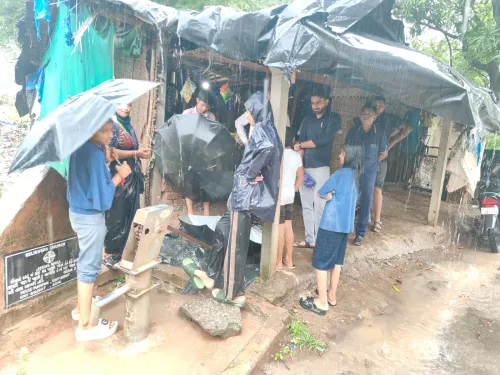
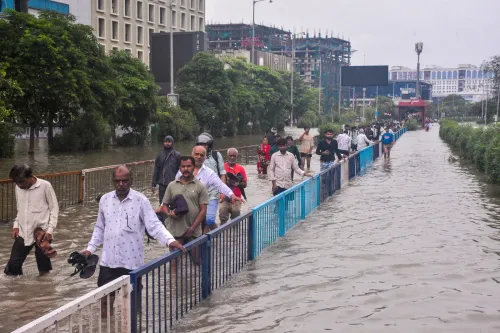
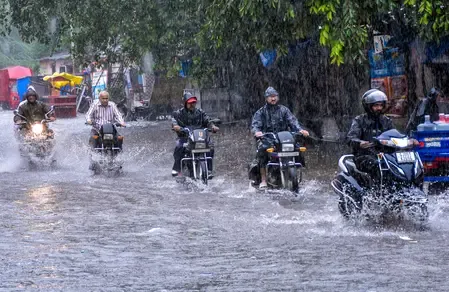
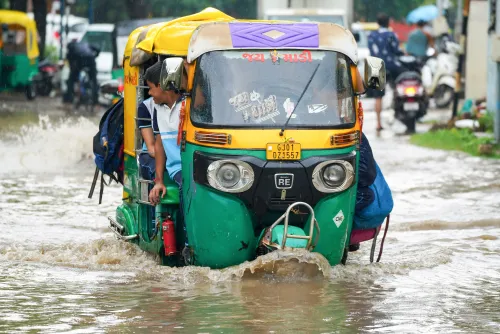
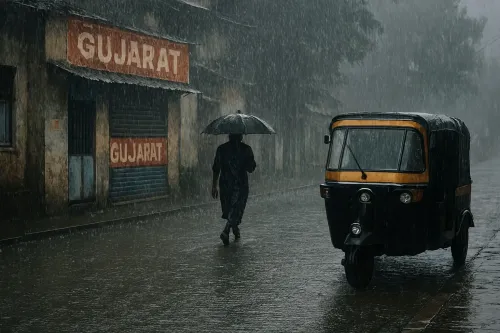
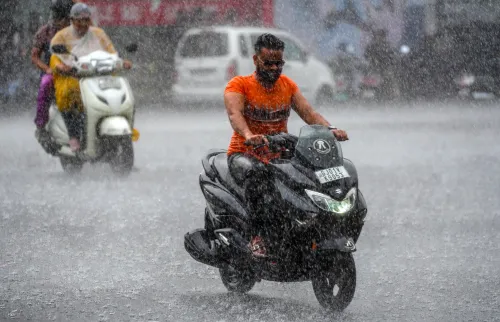
Gujarat placed 13 districts on high alert on 30 July ahead of a forecast of heavy to extremely heavy rainfall between 31 July and 2 August, with the state government cancelling all officials' leave in vulnerable districts, activating round-the-clock control rooms, and directing emergency response teams to stand ready for immediate deployment. The India Meteorological Department (IMD) forecast triggered one of the most comprehensive pre-monsoon mobilisations the state has undertaken this season.
Districts Under High Alert
The 13 districts placed on high alert are Surat, Vadodara, Ahmedabad, Bhavnagar, Bharuch, Anand, Narmada, Tapi, Dang, Chhota Udepur, Panchmahal, Dahod, and Mahisagar. These districts were identified as most exposed to the incoming weather system, spanning the state's southern, central, and eastern corridors.
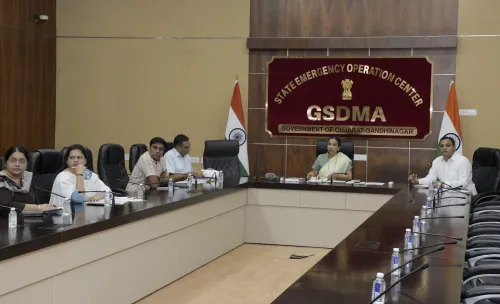
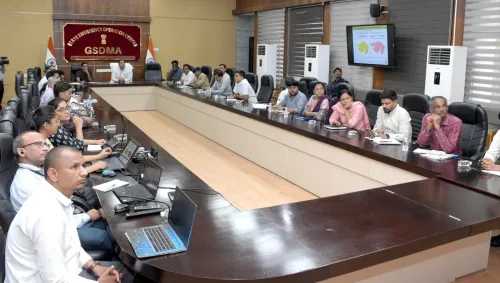
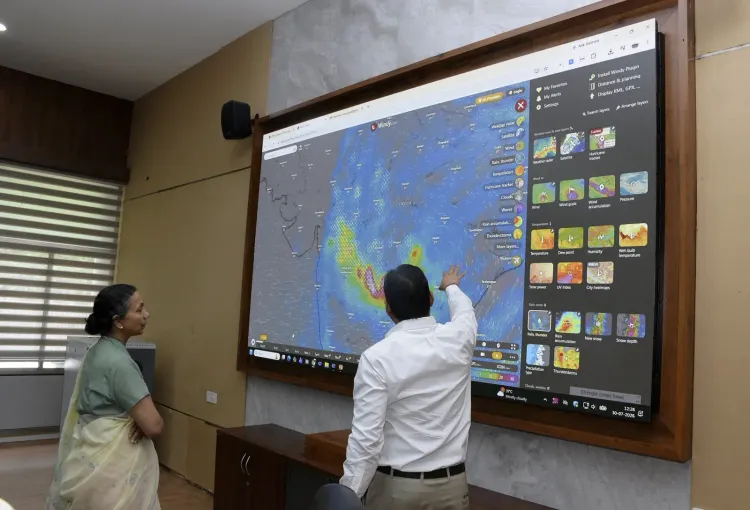
The preparedness review was chaired by Additional Chief Secretary (Revenue) Dr Jayanti Ravi at the State Emergency Operation Centre (SEOC) in Gandhinagar, conducted via video conference with Collectors and senior officials from all 13 affected districts.
Key Directives Issued
Dr Ravi ordered that all officials' leave in the identified districts be cancelled with immediate effect. She directed that 24x7 control rooms remain operational in every district, with a Class-I officer deployed round the clock to supervise operations.
Authorities were instructed to deploy National Disaster Response Force (NDRF) and State Disaster Response Force (SDRF) teams without delay, particularly in low-lying and flood-prone areas. The Indian Army, Navy, and Air Force have been kept on standby for extreme emergency scenarios.
'The safety of citizens is our highest priority,' Dr Ravi said, directing officials to ensure prompt evacuation of residents from flood-prone zones to shelters equipped with food, safe drinking water, and essential medical facilities.
District Collectors were authorised to independently declare holidays for schools and anganwadis based on local rainfall conditions — a measure designed to allow faster, ground-level decision-making without waiting for state-level orders.
What the Government Said
Relief Commissioner Gaurang Makwana said directions had been issued across the state to immediately remove dangerous hoardings, banners, and signboards. Authorities were also instructed to take precautions against accidents involving dilapidated buildings during strong winds or storms.
Makwana confirmed the entire government machinery had been placed on 'alert mode' and appealed to residents: 'Do not step outside unless necessary.'
District Collectors were separately directed to regularly share verified information with the media to prevent the spread of misinformation during the weather event.
Broader Context
Gujarat has historically been vulnerable to flash floods during the peak monsoon window of July–August, with past events in districts like Bharuch and Vadodara causing significant displacement and infrastructure damage. This mobilisation comes as the IMD has flagged an active low-pressure system likely to intensify rainfall across South Gujarat and the tribal belt through the first days of August.
With the forecast window running through 2 August, authorities are expected to maintain the heightened alert posture over the coming 72 hours, with deployment decisions to be reviewed in real time as rainfall data comes in.
Point of View
Deploying NDRF and SDRF, and putting the armed forces on standby before a single extreme-rainfall event — reflects hard lessons from past monsoon failures in the state, where delayed response in Bharuch and Vadodara has historically cost lives. The decision to devolve holiday-declaration authority to District Collectors is notable: it signals the state has learned that centralised bottlenecks slow ground-level response. What remains untested is whether the 13-district alert translates into actual evacuation of the most vulnerable — tribal and low-lying communities in Dang, Narmada, and Chhota Udepur — before the rainfall peaks, not after.
NationPress
14 Sept 2026
Frequently Asked Questions
Which districts in Gujarat are on high alert for heavy rain?
Thirteen districts — Surat, Vadodara, Ahmedabad, Bhavnagar, Bharuch, Anand, Narmada, Tapi, Dang, Chhota Udepur, Panchmahal, Dahod, and Mahisagar — have been placed on high alert following the IMD forecast. These cover Gujarat's southern, central, and eastern corridors most exposed to the incoming weather system.
What has the Gujarat government ordered ahead of the heavy rainfall?
The state government has cancelled all officials' leave in the 13 high-alert districts, activated 24x7 control rooms with Class-I officers on duty, ordered NDRF and SDRF deployment in vulnerable areas, and kept the Indian Army, Navy, and Air Force on standby. Residents in flood-prone zones are being evacuated to shelters with food, water, and medical facilities.
What does the IMD forecast say about Gujarat rainfall?
The India Meteorological Department has forecast heavy to extremely heavy rainfall across parts of Gujarat between 31 July and 2 August. The forecast prompted the state administration to activate its emergency preparedness measures on 30 July.
Who is overseeing Gujarat's disaster preparedness review?
Additional Chief Secretary (Revenue) Dr Jayanti Ravi chaired a comprehensive review meeting at the State Emergency Operation Centre in Gandhinagar on 30 July. Relief Commissioner Gaurang Makwana is coordinating field-level directives, including removal of dangerous hoardings and precautions against dilapidated structures.
Can schools be closed due to the Gujarat rain alert?
Yes. District Collectors have been authorised to independently declare holidays for schools and anganwadis based on rainfall conditions in their respective districts, allowing faster local decisions without requiring state-level approval.