Gujarat red alert: 8 districts brace for extremely heavy rain on July 31
Synopsis
Gujarat is bracing for its most intense monsoon spell yet — a red alert for 8 districts on 31 July, with Dholka already recording 20 inches of rain in two hours and over 53,600 people evacuated. The state's disaster machinery is stretched across a paradox: some districts are near-dry while others are flooding.
Key Takeaways
The IMD has issued a red alert for 8 Gujarat districts — Ahmedabad, Anand, Vadodara, Bharuch, Narmada, Surat, Tapi, and Dang — for 31 July .
An orange alert is in force for parts of Saurashtra on 31 July and north Gujarat on 1 August .
More than 53,600 people were evacuated and over 9,600 rescued from floodwaters in south Gujarat ahead of this alert.
Dholka recorded nearly 20 inches of rainfall within just two hours , while Dwarka has received very little rain this monsoon.
Relief Commissioner Gaurang Makwana has directed all departments to complete resource mapping and hold meetings with district collectors without delay.
The NDRF , SDRF , Coast Guard , Navy , and multiple state departments are on standby for immediate deployment.
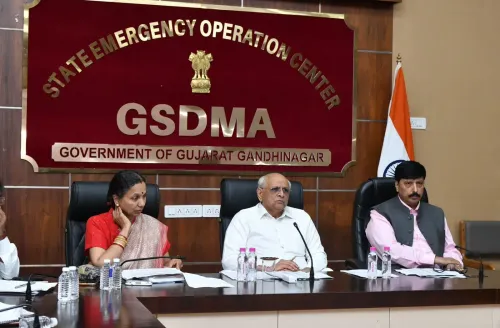
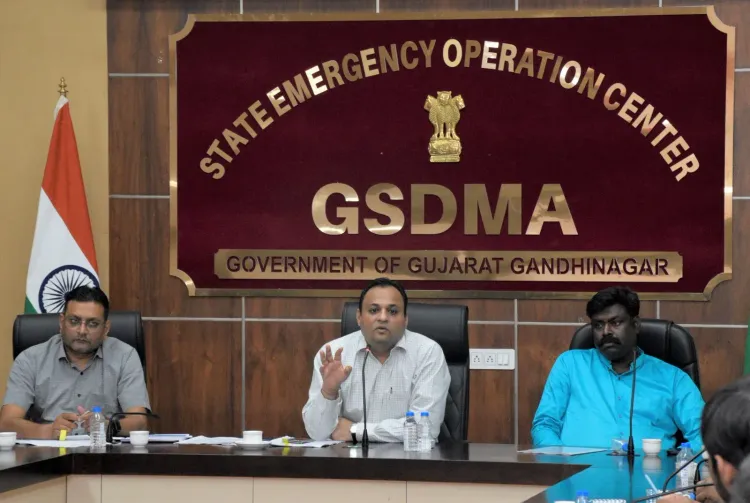
The Gujarat government has placed all departments on high alert after the India Meteorological Department (IMD) issued a red alert for eight districts on 31 July, forecasting extremely heavy rainfall across parts of the state. The directive follows a review meeting at the State Emergency Operation Centre (SEOC) in Gandhinagar, chaired by Relief Commissioner Gaurang Makwana.
Districts Under Red Alert
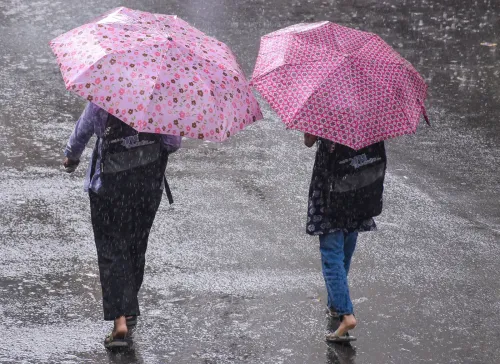
The red alert covers Ahmedabad, Anand, Vadodara, Bharuch, Narmada, Surat, Tapi, and Dang districts. An orange alert has been issued for several parts of Saurashtra on the same day, warning of heavy to extremely heavy rainfall at isolated locations. For 29 and 30 July, warnings were already in place for Panchmahal, Dahod, Vadodara, Bharuch, Surat, and several districts of south Gujarat. Parts of north Gujarat are also under an orange alert for 1 August.
State Preparedness and Official Directives
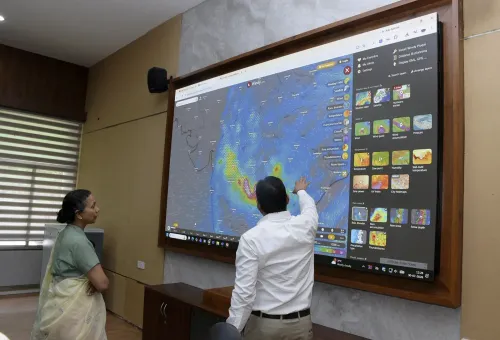
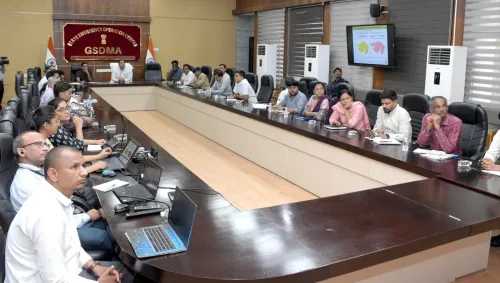
The Weather Watch Group convened at the SEOC to assess the state's readiness. Makwana instructed all coordinated departments to map resources and response teams for immediate deployment, and directed officials to hold meetings with district collectors without delay to complete the mapping exercise.
The Roads and Buildings Department has been specifically instructed to ensure the immediate removal of hoardings, banners, and dilapidated structures under the jurisdiction of municipalities and municipal corporations, to reduce the risk of wind-related damage.
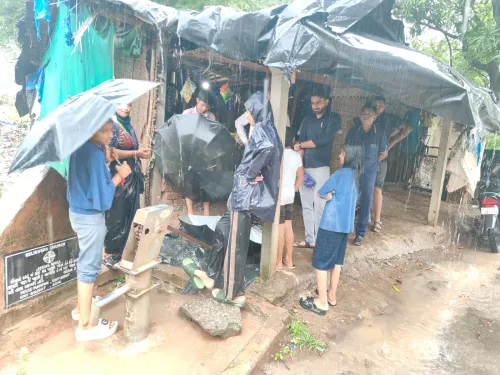
Makwana stressed that weather warnings and disaster-related messages must reach the grassroots level, including daily wage labourers. 'People living in kutcha houses, slum settlements and members of the labour force are generally the most vulnerable during such events and would therefore receive additional attention and protection,' he said.
Uneven Monsoon Pattern Across Gujarat
Makwana highlighted a sharply uneven rainfall distribution across the state this monsoon season. 'While some areas such as Dwarka have received very little rain, regions like Valsad and Navsari have already recorded nearly 100 per cent rainfall. Dholka, meanwhile, received nearly 20 inches of unprecedented rainfall within just two hours,' he said.
This extreme variability underscores the challenge facing disaster managers — some districts face drought-like conditions while others contend with flash flooding, stretching resources across the state simultaneously.
Recent Rescues and Multi-Agency Response
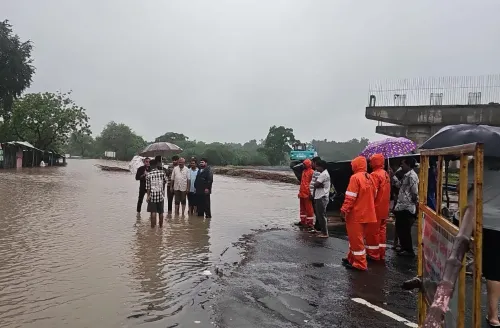
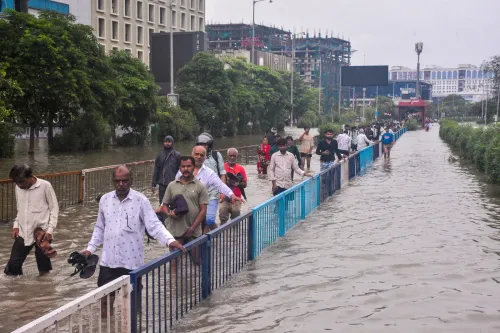
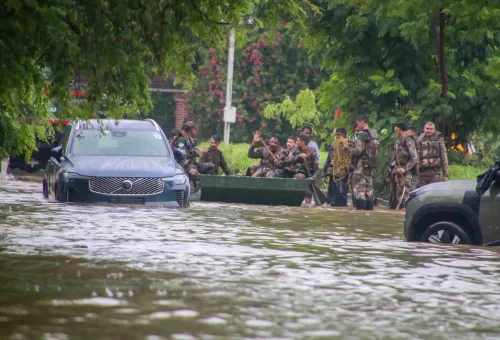
Makwana acknowledged the coordinated response during recent heavy rainfall in south Gujarat, thanking the National Disaster Response Force (NDRF), State Disaster Response Force (SDRF), Coast Guard, and the Army. More than 53,600 people were shifted to safer locations as a precautionary measure before flood conditions developed, while more than 9,600 people trapped in floodwaters were successfully rescued, according to official figures.
Officials from the NDRF, SDRF, Coast Guard, Navy, Health Department, Forest Department, Agriculture Department, Revenue Department, and other government departments attended the review meeting. With the most intense spell of the season still ahead, the state's ability to sustain this multi-agency coordination will be closely watched over the coming days.
Point of View
Because it forces the state to pre-position resources across contradictory scenarios simultaneously. The evacuation of over 53,600 people before flooding began in south Gujarat is a genuine operational achievement, but the red alert for 8 districts on 31 July means the hardest stretch is still ahead. The real question is whether inter-agency coordination that worked in south Gujarat can scale quickly enough to cover the new threat zone spanning Ahmedabad to Dang.
NationPress
28 Oct 2026
Frequently Asked Questions
Which Gujarat districts are under red alert on July 31?
The IMD has placed eight districts — Ahmedabad, Anand, Vadodara, Bharuch, Narmada, Surat, Tapi, and Dang — under a red alert for 31 July, forecasting extremely heavy rainfall. Parts of Saurashtra are under an orange alert on the same day.
How many people have been evacuated or rescued in Gujarat so far?
According to Relief Commissioner Gaurang Makwana, more than 53,600 people were shifted to safer locations as a precautionary measure before flood conditions developed in south Gujarat, while over 9,600 people trapped in floodwaters were successfully rescued.
What is the Gujarat government doing to prepare for the red alert?
The state has convened a Weather Watch Group review at the State Emergency Operation Centre in Gandhinagar. All departments have been directed to map resources and response teams, hold meetings with district collectors, and ensure immediate deployment readiness. The Roads and Buildings Department has also been told to remove hoardings and dilapidated structures.
Why is Gujarat's monsoon described as uneven this year?
Relief Commissioner Makwana noted that while Dwarka has received very little rain, districts like Valsad and Navsari have already recorded close to 100 per cent of their seasonal rainfall. Dholka received nearly 20 inches of rain within just two hours, illustrating the extreme variability.
Which agencies are involved in Gujarat's disaster response?
The response involves the NDRF, SDRF, Coast Guard, Navy, and several state departments including Health, Forest, Agriculture, and Revenue. Relief Commissioner Makwana specifically thanked these agencies for their coordinated efforts during the recent south Gujarat flooding.