Gujarat's NFSU forensic team begins DNA identification of Nepal flood victims
Synopsis
As Nepal's flood death toll approaches 750 with over 3,000 still missing, Gujarat's NFSU has deployed a 10-member DNA forensics team to begin identifying victims — a painstaking process made harder by damaged infrastructure, overwhelmed hospitals, and more than 900 hydropower workers unaccounted for. India's response signals both technical capability and deepening disaster diplomacy with Kathmandu.
Key Takeaways
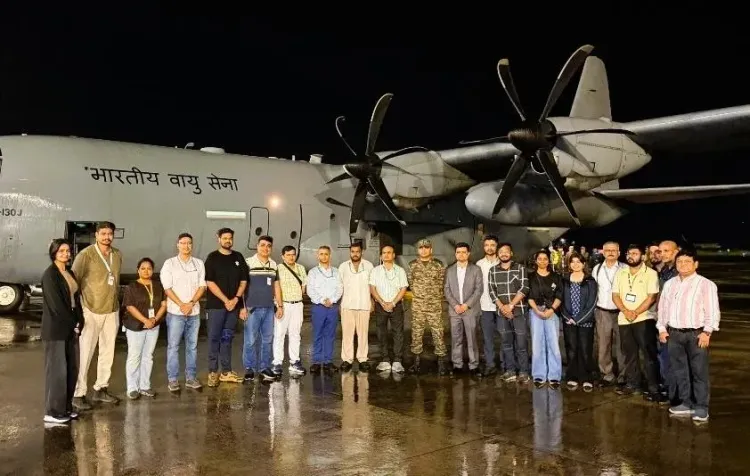
A 10-member NFSU forensic team led by Dr Bhargav Patel has arrived in Nepal to begin DNA-based Disaster Victim Identification.
The Nepal-Tibet floods, triggered by a glacial collapse on 26 August , have killed approximately 750 people and left over 3,000 missing .
Nepal reports 734 deaths and 2,498 missing ; China reports 16 deaths and 546 missing in Tibet.
More than 900 hydropower project workers are also reported missing, adding to the identification burden.
India's Ministry of External Affairs has set up a 24-hour control room to coordinate relief and track affected Indian nationals.
The NFSU team is operating under joint guidance from India's Ministry of External Affairs and Ministry of Home Affairs , in coordination with Nepalese authorities.
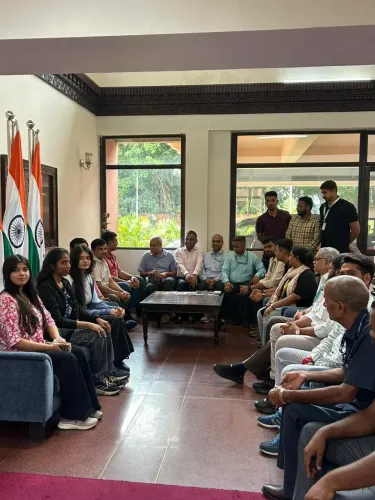
A 10-member forensic team from Gujarat's National Forensic Sciences University (NFSU) has arrived in Nepal and commenced the Disaster Victim Identification (DVI) process for victims of the catastrophic floods and landslides along the Nepal-Tibet border, as the combined death toll climbs to approximately 750 with more than 3,000 people still missing. The team, which departed Gujarat on Saturday night, is working on the ground in coordination with Nepalese authorities under joint guidance from India's Ministry of External Affairs and Ministry of Home Affairs.
Who Is on the Ground and What They Are Doing
The NFSU delegation is led by Dr Bhargav Patel, head of the Centre of Excellence in DNA Forensics at the university's Gandhinagar campus. The team's primary mandate is to identify unidentified bodies and help families confirm the fate of missing relatives — cases where visual identification or conventional methods are no longer viable due to the condition of recovered remains.
The DVI process works by extracting DNA profiles from recovered bodies or human remains and cross-matching them against reference samples collected from relatives of missing persons. NFSU has stated that its Gandhinagar facility is equipped with advanced instruments and sufficient DNA kits to support the scale of this operation.
Scale of the Disaster
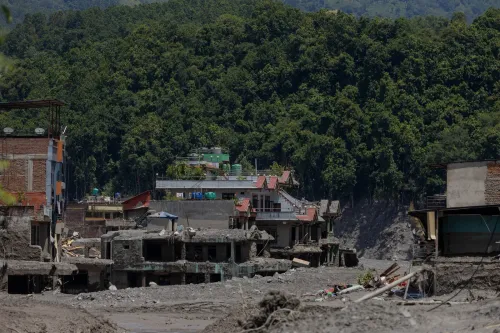
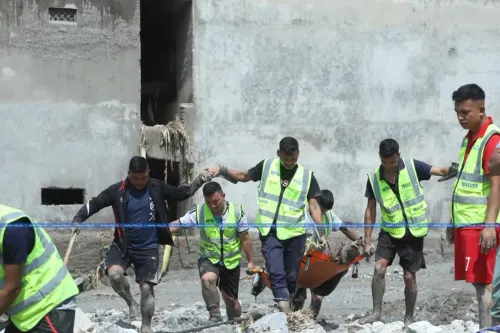
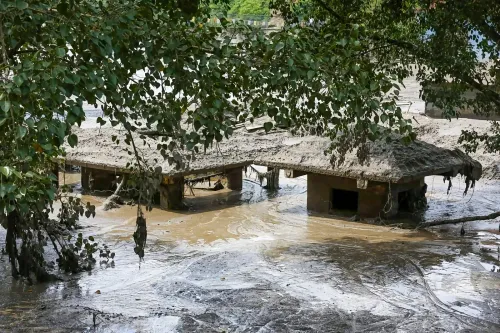
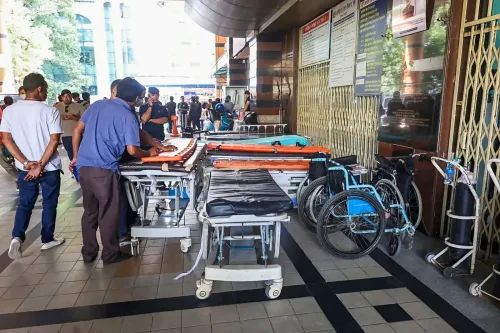
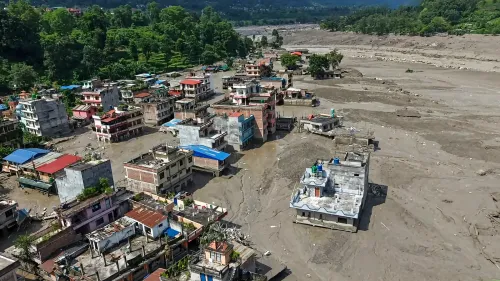
The catastrophe was triggered by a glacial collapse and landslide in the Himalayan region on 26 August. Nepal alone has reported 734 deaths and 2,498 people missing, while China has reported 16 deaths and 546 missing in Tibet. Bodies have been recovered downstream across multiple districts, with Nepalese hospitals reportedly being pressed into service to preserve and process unidentified remains.
The sheer volume of casualties has strained storage and identification infrastructure. Notably, more than 900 workers at hydropower projects in the affected region have also been reported missing, compounding the identification challenge significantly.
India's Broader Assistance to Nepal
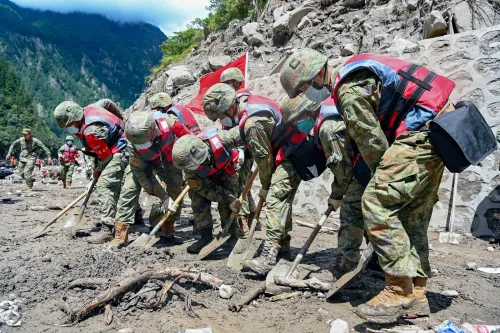
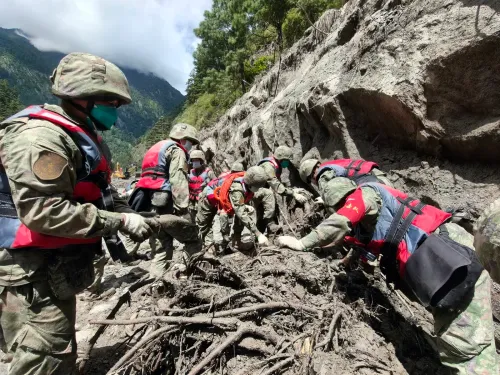
The forensic deployment is part of India's wider relief response. The Ministry of External Affairs has activated a 24-hour control room to coordinate assistance and track Indian nationals affected by the floods. Thousands of soldiers and police personnel are engaged in active rescue operations across Nepal, though search teams continue to face severe obstacles — including damaged roads and bridges, ongoing rainfall, and swelling river levels.
This comes amid longstanding India-Nepal disaster-response cooperation, with the NFSU team operating in a supporting role alongside local authorities rather than independently directing the identification effort.
What Happens Next
The NFSU team is expected to remain deployed as recovery operations continue and more human remains are located. Forensic identification is a methodical, time-intensive process; results are unlikely to be immediate given the scale of missing persons and the condition of remains. Families of the missing in both Nepal and Tibet await formal identification before closure and repatriation can begin.
Point of View
000 missing and hydropower sites adding hundreds more unaccounted workers, the NFSU team's capacity, however advanced, will be tested by sheer volume. The deeper question is whether this deployment will catalyse a permanent bilateral DVI protocol between India and Nepal, or remain a one-off response. Given the Himalayan region's accelerating glacial instability, disasters of this scale are no longer outliers — they are a recurring risk that demands standing frameworks, not ad-hoc deployments.
NationPress
30 Aug 2026
Frequently Asked Questions
What is the NFSU forensic team doing in Nepal?
The 10-member team from the National Forensic Sciences University in Gandhinagar is conducting Disaster Victim Identification — matching DNA from recovered bodies and remains against reference samples from relatives of missing persons. The team is working alongside Nepalese authorities under guidance from India's Ministry of External Affairs and Ministry of Home Affairs.
How many people have died or gone missing in the Nepal-Tibet floods?
As of the latest reports, approximately 750 people have died and more than 3,000 remain missing. Nepal alone accounts for 734 deaths and 2,498 missing, while China has reported 16 deaths and 546 missing in Tibet.
What caused the Nepal-Tibet border flooding?
The disaster was triggered by a glacial collapse and landslide in the Himalayan region on 26 August. The resulting floods swept downstream, causing widespread destruction across multiple districts in Nepal and the Tibet region of China.
Why is DNA identification necessary in this disaster?
The condition of many recovered bodies makes visual or conventional identification impossible. DNA profiling allows authorities to match remains with reference samples from relatives, providing families with confirmed identities even when other methods fail. The scale of the disaster — with bodies recovered far downstream — has made this approach essential.
What other assistance is India providing to Nepal?
Beyond the NFSU forensic team, India's Ministry of External Affairs has established a 24-hour control room to coordinate relief and assist Indian nationals affected by the floods. Thousands of soldiers and police personnel are engaged in active search and rescue operations, though damaged infrastructure and ongoing rainfall continue to hamper efforts.