Gujarat's Ambitious Green Initiative: High-Tech Nurseries and Mangrove Expansion
Synopsis
Gujarat is launching an ambitious plan to establish high-tech nurseries and expand mangrove cover, aiming to enhance the state's green initiatives significantly. This marks a pivotal moment in the state's environmental strategy, as outlined during the recent Forest Department meeting.
Key Takeaways
High-tech nurseries to be established across Gujarat.
Focus on expanding mangrove and grassland cover.
Significant increase in trees outside forest areas.
Technology will play a key role in environmental initiatives.
Gujarat aims to increase forest cover from 11% to 13%.
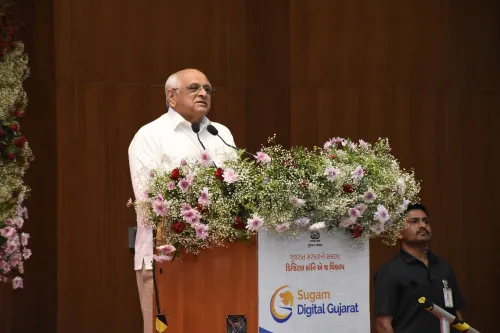
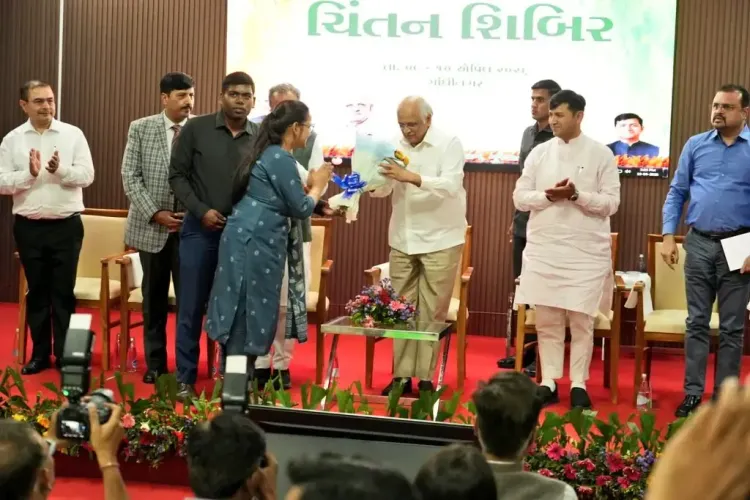
Gandhinagar, April 10 (NationPress) The state of Gujarat is set to establish between 8 to 10 high-tech nurseries in various districts, alongside initiatives to enhance mangrove and grassland cover. This initiative is part of a broader strategy aimed at boosting green cover, as discussed by officials during the two-day Forest Department "Chintan Shibir" held in Gandhinagar.
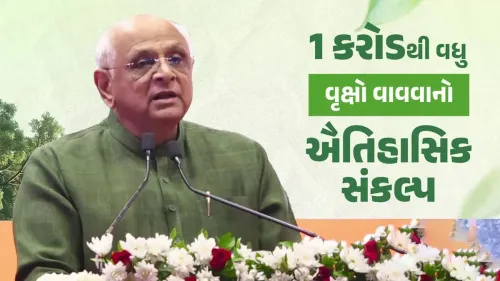
In his closing remarks on Friday, Chief Minister Bhupendra Patel emphasized the importance of ongoing reflection for effective governance and underscored the value of technology in enhancing public service delivery.
“Ongoing reflection is crucial for effective governance,” he stated, noting that Prime Minister Narendra Modi has “ushered in a new era of good governance through technological advancements.”
Touching upon environmental concerns, Patel referenced the Prime Minister’s vision of ‘Back to Basics, Back to Nature, and Mission LiFE,’ advocating for an eco-friendly lifestyle.
“Boosting green cover is essential to combat global warming and safeguard the future for upcoming generations. Initiatives like ‘Ek Ped Maa Ke Naam’ have resulted in a remarkable 47% increase in tree counts outside forest areas over the last 12 years,” he elaborated.
He urged officials to leverage technology for planting on barren lands and highlighted that sustained efforts had raised public awareness, leading to more significant involvement in tree planting, water conservation, and environmental safeguarding.
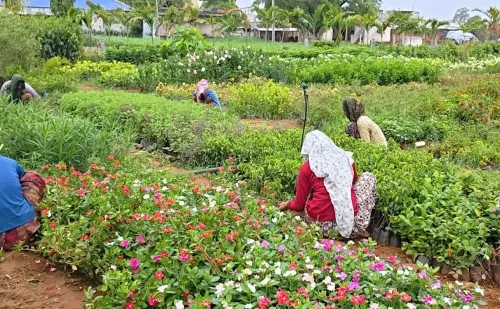
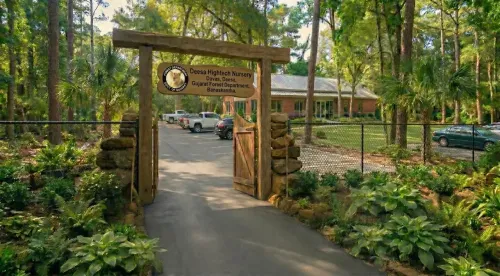
State Forest and Environment Minister Arjun Modhwadia announced that the nursery culture would be prioritized to enhance survival rates of plantations, revealing plans for the inception of eight to ten high-tech nurseries across different districts.
“These nurseries will cater to agro, horticulture, and forestry saplings,” he shared.
Modhwadia reflected on the inaugural “Chintan Shibir” held in 2003 under former Chief Minister Narendra Modi, marking this as the second such initiative.
“The skills and unique capabilities of forest officials were clearly demonstrated during these two days of discussions, and the insights gained will be pursued under the Chief Minister's leadership,” he noted.
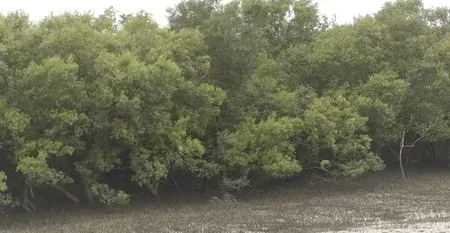
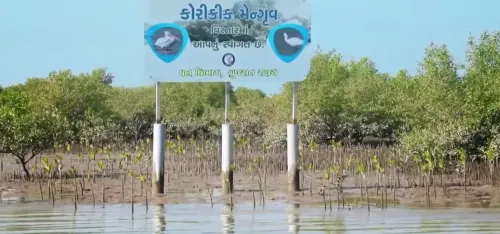
He remarked that forest officials exhibited a strong sense of ownership in preserving forest lands, adding that “despite industrial growth and a long coastline, Gujarat has seen an increase in mangrove forests along its coast.”
Moreover, he pointed to the potential for eco-tourism, stating: “We will work to enhance it while increasing green cover for future generations, aligned with the vision for a developed India by 2047.”
Chief Secretary Manoj Kumar Das stressed the necessity of balancing development with environmental protection, asserting that both aspects are complementary rather than opposing, and maintaining this balance through technology presents a significant challenge.
“Currently, Gujarat's forest cover stands at 11%, with efforts underway to elevate it to 13% through modern management practices,” he stated.
Additional Chief Secretary of the Forest Department, Vinod Rao, shared that ten recommendations had been finalized, including plans to develop an additional one lakh hectares of mangroves and grasslands, and to create cultural forests in remaining districts over the next two years.
He added that the ‘Van Kavach’ model would be expanded to 10,000 to 15,000 gram panchayats by 2035, with an eco-tourism policy set to be implemented via a public-private partnership model to enhance livelihoods.
“Under the Chief Minister’s direction, the Forest Department will pursue these recommendations to achieve impactful outcomes in the coming years,” he concluded.
Point of View
Gujarat's commitment to enhancing its green cover through high-tech nurseries and the expansion of mangrove forests showcases a proactive approach to environmental stewardship. This initiative not only addresses climate change but also promotes sustainable development and public engagement in conservation efforts.
NationPress
2 Oct 2026
Frequently Asked Questions
What are the main goals of Gujarat's new green initiative?
The primary goals include establishing high-tech nurseries across districts and expanding mangrove and grassland cover to increase the state's overall green cover.
Who announced the establishment of high-tech nurseries?
State Forest and Environment Minister Arjun Modhwadia announced the plan to establish 8 to 10 high-tech nurseries in various districts.
How has Gujarat's tree count changed in recent years?
Gujarat has seen a significant 47% increase in the number of trees outside forest areas over the past 12 years due to initiatives like 'Ek Ped Maa Ke Naam'.
What is the current forest cover percentage in Gujarat?
Gujarat's forest cover currently stands at 11%, with plans to increase it to 13% using modern management practices.
What role does technology play in Gujarat's green initiative?
Technology is emphasized as a crucial tool for improving public service delivery, facilitating tree plantation, and enhancing awareness about environmental conservation.