Gujarat launches ₹2 crore organ transplant scheme for tribal patients beyond PMJAY-MA limit
Synopsis
Gujarat has quietly plugged a critical gap in tribal healthcare: a new ₹2 crore scheme will now cover organ transplant and robotic surgery costs that PMJAY and the Mukhyamantri Amrutam scheme leave unpaid. With IKDRC as the gatekeeper and DBT disbursement built in, the design is more rigorous than most top-up welfare schemes — but its real test is whether it reaches patients in remote tribal districts.
Key Takeaways
The Gujarat government launched a new health scheme on 4 August 2026 for Scheduled Tribe patients, allocating ₹2 crore for 2026-27 .
The scheme covers organ transplants (kidney, liver, heart, pancreas) and robotic surgeries beyond what PMJAY or the Mukhyamantri Amrutam (MA) scheme pays.
IKDRC at Ahmedabad Civil Hospital is the nodal agency; prior approval from its Transplant Committee is mandatory.
Assistance at private hospitals is capped at government-approved rates , not the actual billed amount.
Disbursement will be via Direct Benefit Transfer (DBT) or the CM Dashboard Portal , with social audits and third-party verification.
Children under the School Health Programme are excluded; organ donors need not be from the ST community.
The Gujarat government on 4 August 2026 launched a dedicated health assistance scheme for Scheduled Tribe (ST) patients in the state, allocating ₹2 crore in the 2026-27 financial year to cover organ transplant and advanced robotic surgery costs that exceed the benefits available under Ayushman Bharat-Pradhan Mantri Jan Arogya Yojana (PMJAY) or the state's Mukhyamantri Amrutam (MA) scheme. The initiative is designed to bridge the gap for tribal families confronting life-threatening illnesses whose treatment costs outpace existing public insurance coverage.
What the Scheme Covers
Officially titled the 'Scheme to Provide Assistance for Organ Transplants of Kidney, Liver, Heart, Pancreas, etc., and for Operations Including Robotic Surgeries for Patients Belonging to the Scheduled Tribe Community of the State,' the programme funds complex organ transplant procedures and advanced robotic surgeries. Financial assistance is calculated after deducting amounts already paid under PMJAY or the MA Card.
To illustrate: if an organ transplant at the nodal agency costs ₹6 lakh and PMJAY covers ₹3 lakh, the remaining ₹3 lakh is disbursed under the new scheme. For private hospital treatment, assistance is capped at the government-approved rate — so if a private facility charges ₹10 lakh for a procedure whose approved rate is ₹6 lakh and PMJAY has already paid ₹3 lakh, the beneficiary receives up to ₹3 lakh under the scheme.
Nodal Agency and Eligibility
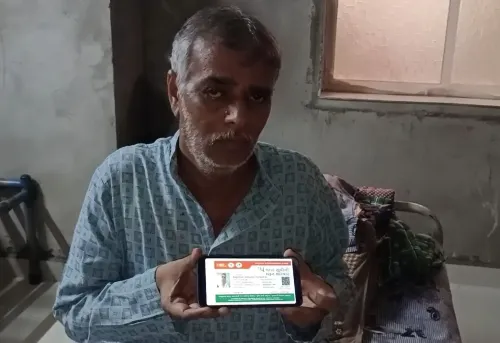
The state has designated the Institute of Kidney Diseases and Research Centre (IKDRC), located within the Ahmedabad Civil Hospital campus, as the nodal implementing agency. Beneficiaries must belong to a Scheduled Tribe community in Gujarat, hold a valid caste certificate, and possess a PMJAY or MA Card.
Patients are required to approach IKDRC before undergoing treatment, and prior approval from the institute is mandatory — even when surgery is to be performed at a private hospital. Clinical clearance from the IKDRC Transplant Committee is also compulsory. Notably, while organ donors may belong to any community, financial assistance is available only to the tribal recipient. Children already covered under the School Health Programme are excluded, as they are entitled to free treatment under that programme.
Key Developments in Administration
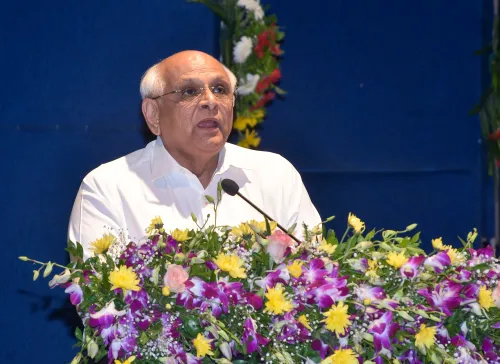
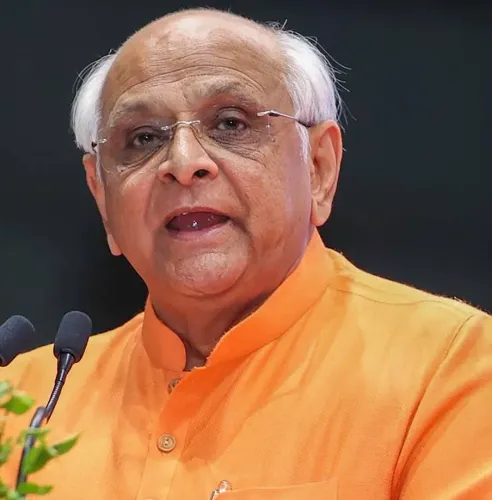
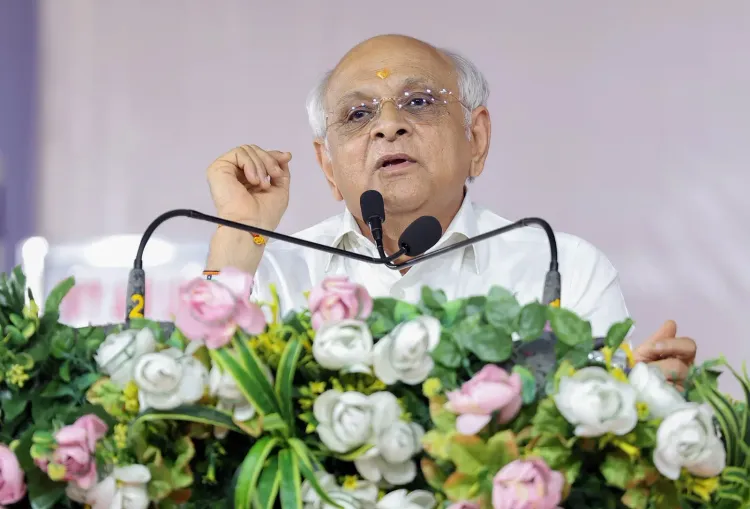
The scheme was introduced by the Tribal Development Department under Chief Minister Bhupendra Patel, with administrative approval granted by Tribal Development Minister Naresh Patel and Minister of State P.C. Baranda. The entire application and approval process will be conducted online to improve transparency, and financial assistance will be disbursed through the Direct Benefit Transfer (DBT) system or the CM Dashboard Portal.
Oversight and Accountability
The scheme will be subject to periodic social audits and third-party verification, with reports submitted to the state government to monitor implementation. This comes amid a broader push by several state governments to layer targeted welfare schemes atop the national PMJAY architecture, particularly for communities that face geographic and financial barriers to specialist care. With ₹2 crore earmarked for the first year, the scheme's reach will depend heavily on outreach to eligible tribal households and the speed of IKDRC's approval pipeline.
Point of View
But ₹2 crore is a modest envelope for a state with a sizeable tribal population spread across remote districts — a single high-cost transplant can consume a significant portion of the annual allocation. The mandatory IKDRC pre-approval requirement is a sensible quality gate, yet it also creates a single-point bottleneck that could slow access for patients in districts far from Ahmedabad. The real accountability test will be whether the promised social audits and third-party verification actually surface utilisation data — or remain on paper, as is common with welfare scheme oversight in India.
NationPress
19 Sept 2026
Frequently Asked Questions
What is Gujarat's new organ transplant scheme for tribal patients?
It is a state-funded health assistance scheme launched on 4 August 2026 that covers organ transplant and robotic surgery costs for Scheduled Tribe patients in Gujarat after their PMJAY or Mukhyamantri Amrutam (MA) scheme benefits are exhausted. The state has allocated ₹2 crore for the 2026-27 financial year.
Who is eligible for this Gujarat tribal health scheme?
Beneficiaries must belong to a Scheduled Tribe community in Gujarat, hold a valid caste certificate, and possess a PMJAY or MA Card. Children already covered under the School Health Programme are excluded. Organ donors may belong to any community, but financial assistance is available only to the tribal recipient.
How is financial assistance calculated under the scheme?
Assistance is calculated after deducting the amount already covered by PMJAY or the MA Card. For private hospital treatment, the assistance is capped at the government-approved rate for the procedure at IKDRC, not the actual amount billed by the private facility.
What is the role of IKDRC in this scheme?
The Institute of Kidney Diseases and Research Centre (IKDRC) at Ahmedabad Civil Hospital is the nodal implementing agency. Patients must approach IKDRC before undergoing treatment, obtain prior approval from the institute, and receive clinical clearance from the IKDRC Transplant Committee — even if surgery is to be performed at a private hospital.
How will payments be made and monitored under the scheme?
Financial assistance will be disbursed through the Direct Benefit Transfer (DBT) system or the CM Dashboard Portal. The entire application and approval process will be conducted online, and the scheme will be subject to periodic social audits and third-party verification with reports submitted to the state government.