Gulf states, Qatar eye India's refining sector amid capacity push to 6.2mn bpd
Synopsis
Gulf energy giants including Saudi Arabia, UAE, and Qatar are moving beyond crude supply to seek equity stakes in India's refinery sector — a structural shift in a relationship long defined by buyer-seller dynamics. With a $10 billion Qatari commitment under implementation, a Bilateral Investment Treaty in finalisation, and a capacity target of 6.2 million bpd, India is rewiring its energy diplomacy at scale.
Key Takeaways
Saudi Arabia , the UAE , and Qatar have expressed strong interest in investing in India's oil refinery projects .
India aims to expand national refining capacity from 5.4 million bpd to over 6.2 million bpd .
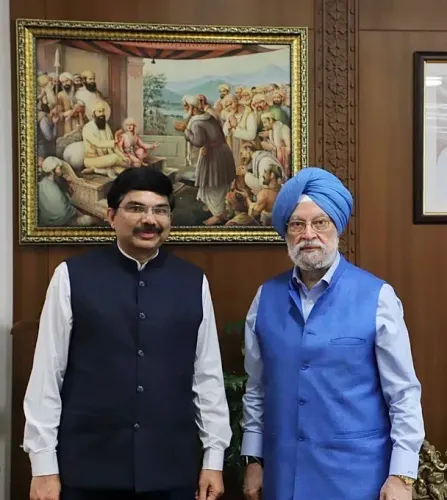
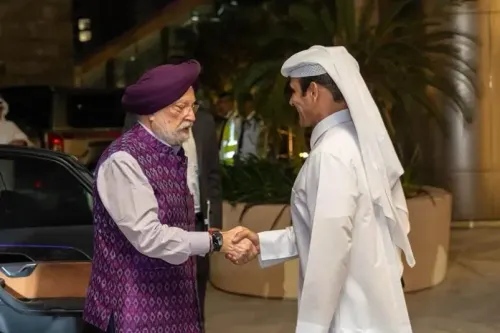
Petroleum Minister Hardeep Singh Puri met QatarEnergy CEO Saad Sherida al-Kaabi in Doha in April to discuss energy cooperation and maritime supply security.
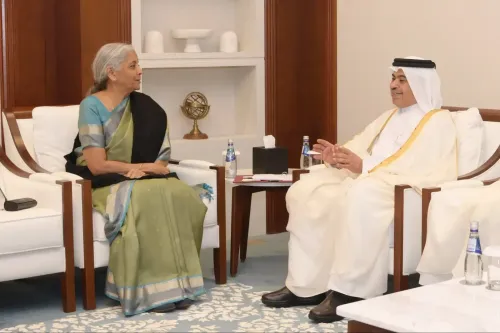
Finance Minister Nirmala Sitharaman met Qatari counterpart Ali bin Ahmed Al Kuwari on 29 September to advance Qatar's $10 billion investment commitment and finalise the Bilateral Investment Treaty .
Petronet LNG holds a 20-year contract to buy 7.5 million tonnes of LNG annually from QatarEnergy through July 2028 and beyond.
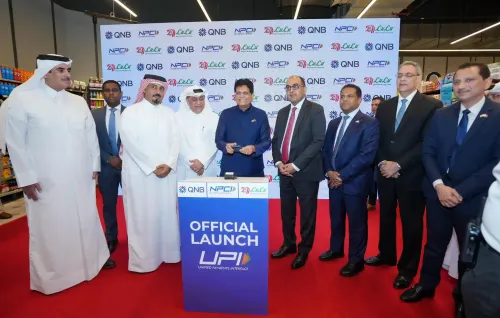
Both sides also discussed expanding Indian UPI payments across Qatar and the Double Taxation Avoidance Agreement .
New Delhi, 5 October 2026 — Major Gulf energy producers, including Saudi Arabia and the UAE, have expressed strong interest in funding oil refinery projects in India, while New Delhi is simultaneously deepening outreach to Qatar for institutional capital across the broader energy value chain, according to reports. The push aligns with India's strategic plan to expand national refining capacity from 5.4 million barrels per day (bpd) to over 6.2 million bpd to meet surging domestic fuel demand.
India's Refining Expansion Drive
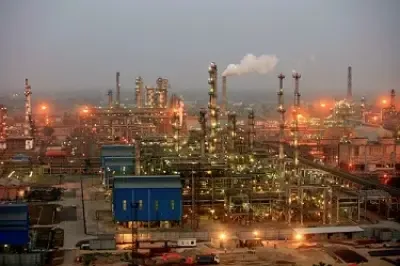
India's refining sector is at a critical inflection point, with the Centre targeting a capacity addition of roughly 800,000 bpd to keep pace with one of the world's fastest-growing fuel markets. Gulf producers — already central to India's crude import mix — are now being courted as equity partners in processing infrastructure, a shift from the traditional buyer-seller dynamic that has defined the relationship for decades.
Bilateral dialogue, according to reports citing the Indian Embassy in Qatar, is increasingly moving toward mutual equity participation in refining and processing assets, even as long-term liquefied natural gas trade remains foundational to the relationship.
India-Qatar Ministerial Engagements
Diplomatic momentum has been building steadily. In April, Union Minister of Petroleum and Natural Gas Hardeep Singh Puri travelled to Doha for a two-day official visit, where he met Qatar's Minister of State for Energy Affairs Saad Sherida al-Kaabi — who also serves as President and CEO of QatarEnergy. The two officials reaffirmed bilateral energy cooperation and emphasised maintaining stability in global fuel supplies and ensuring unhindered maritime commerce, particularly in the context of regional disruptions, according to state-run Qatar News Agency.
More recently, on 29 September, Finance Minister Nirmala Sitharaman held a bilateral meeting in Doha on the sidelines of the AIIB 2026 Annual Meeting with her Qatari counterpart Ali bin Ahmed Al Kuwari. The discussion centred on implementing Qatar's $10 billion investment commitment in India, finalising a Bilateral Investment Treaty, expanding Indian UPI payments across Qatar, and deepening Qatar's engagement with India's National Infrastructure and Investment Fund.
The two ministers also discussed the Double Taxation Avoidance Agreement as a strengthened framework for trade, investment, and tax certainty. Sitharaman recalled recent engagements that elevated the bilateral relationship to a 'strategic partnership', while Al Kuwari expressed optimism about bigger opportunities in trade, finance, and investment.
LNG Anchor and the Pivot to Equity
Long-term gas trade continues to serve as the bedrock of the India-Qatar energy relationship. Petronet LNG extended its contract with QatarEnergy in 2024 to purchase 7.5 million tonnes of LNG annually through July 2028 and beyond — one of Asia's largest bilateral LNG supply agreements. This contractual continuity gives both sides the confidence to explore higher-risk equity arrangements in downstream processing.
Notably, the broadening of dialogue to include the AIIB framework signals that India is also seeking multilateral institutional scaffolding for Gulf capital — not just bilateral deal structures.
What This Means for India's Energy Strategy
India's refinery expansion is not merely a capacity exercise — it is a strategic hedge. By attracting Gulf equity into domestic processing, New Delhi hopes to lock in long-term crude supply relationships while simultaneously reducing its dependence on spot-market volatility. Critics argue, however, that equity partnerships with state-linked Gulf entities carry their own geopolitical sensitivities, particularly given the fluid dynamics of West Asian politics.
With the Bilateral Investment Treaty still in finalisation and the $10 billion Qatari commitment awaiting implementation details, the pace of on-ground progress will be the true test of whether this diplomatic energy translates into refinery construction.
Point of View
And equity stakes in strategic infrastructure invite scrutiny. The $10 billion Qatari commitment and the Bilateral Investment Treaty have both been in play for some time; the real question is execution speed. India's refining gap is real and growing, but Gulf investors will want regulatory clarity and return visibility before committing to greenfield or brownfield refinery projects that take years to yield returns.
NationPress
6 Oct 2026
Frequently Asked Questions
Why are Gulf countries interested in investing in India's refining sector?
Gulf energy producers, including Saudi Arabia, UAE, and Qatar, see Indian refinery equity as a way to deepen their role in one of the world's fastest-growing fuel markets beyond traditional crude supply agreements. India's plan to expand refining capacity from 5.4 million bpd to over 6.2 million bpd creates significant investment openings in downstream processing infrastructure.
What did Finance Minister Nirmala Sitharaman discuss with Qatar's finance minister?
On 29 September, Sitharaman met Qatari Finance Minister Ali bin Ahmed Al Kuwari on the sidelines of the AIIB 2026 Annual Meeting in Doha to discuss implementing Qatar's $10 billion investment commitment in India, finalising a Bilateral Investment Treaty, expanding Indian UPI payments in Qatar, and the Double Taxation Avoidance Agreement.
What is India's refining capacity expansion target?
India aims to increase its national refining capacity from 5.4 million barrels per day to over 6.2 million barrels per day to meet rising domestic fuel requirements, representing an addition of roughly 800,000 bpd.
What is Petronet LNG's deal with QatarEnergy?
Petronet LNG extended a contract in 2024 to purchase 7.5 million tonnes of LNG annually from QatarEnergy through July 2028 and beyond. It is one of Asia's largest bilateral LNG supply agreements and forms the cornerstone of India-Qatar energy trade.
What does India's 'strategic partnership' with Qatar cover?
The elevated 'strategic partnership' between India and Qatar covers energy trade, equity investment in infrastructure, UPI payment expansion, maritime supply chain security, and financial cooperation frameworks including the Bilateral Investment Treaty and Double Taxation Avoidance Agreement.