India BRICS 2026 presidency expands Gulf ties into tech, food security
Synopsis
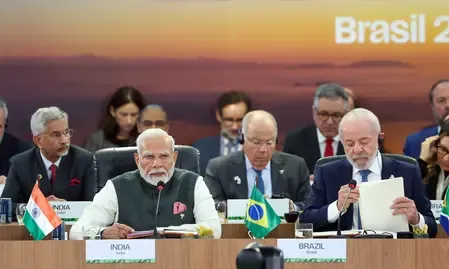
India's BRICS presidency is recasting the Gulf relationship from a buyer-seller oil dynamic into a multi-layered strategic partnership. With FTA talks covering all six GCC states formally launched, and collaboration expanding into green hydrogen, battery storage and food supply chains, the 18th BRICS Summit could mark the Gulf's deepest institutional integration with emerging-economy blocs.
Key Takeaways
India's 2026 BRICS Presidency is broadening Gulf ties beyond oil into technology, food security and clean energy.
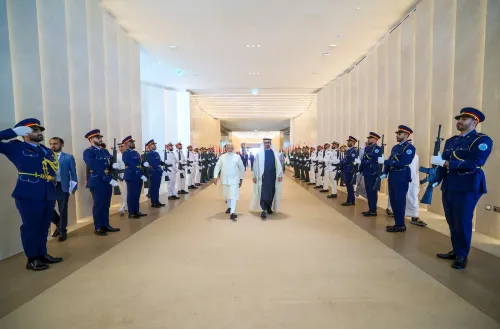
PM Modi's May 2026 UAE visit deepened collaboration on crude oil, LNG and strategic petroleum reserves .
Saudi Arabia and the UAE now represent the Gulf within expanded BRICS, boosting the bloc's global energy and finance clout.
India formally launched FTA negotiations with all six GCC states in February 2026 .
New cooperation areas include solar equipment , green hydrogen , battery storage and food-processing supply chains.
India's 2026 BRICS Presidency is steering the country's historically oil-anchored relationship with the Gulf states toward a broader strategic partnership encompassing investment, technology, food security, clean energy and regional stability, according to a new report. The shift comes as New Delhi hosts the 18th BRICS Summit, with energy ties forming the bedrock but cooperation rapidly branching into new domains.
Energy ties evolve beyond crude oil
A report published by Gulf Today noted that while crude oil, LNG and petroleum products remain central to India-Gulf commerce, both sides are now exploring collaboration in solar equipment, green hydrogen, battery storage and low-carbon technology. 'Gulf capital and renewable-energy expertise can combine with India's engineering, manufacturing and market scale,' the report observed.
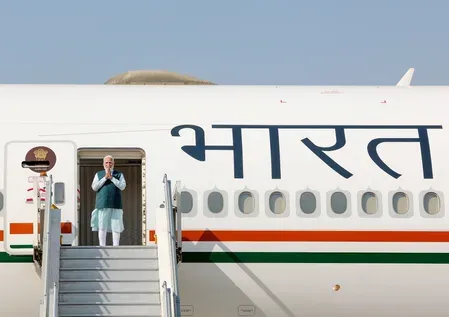
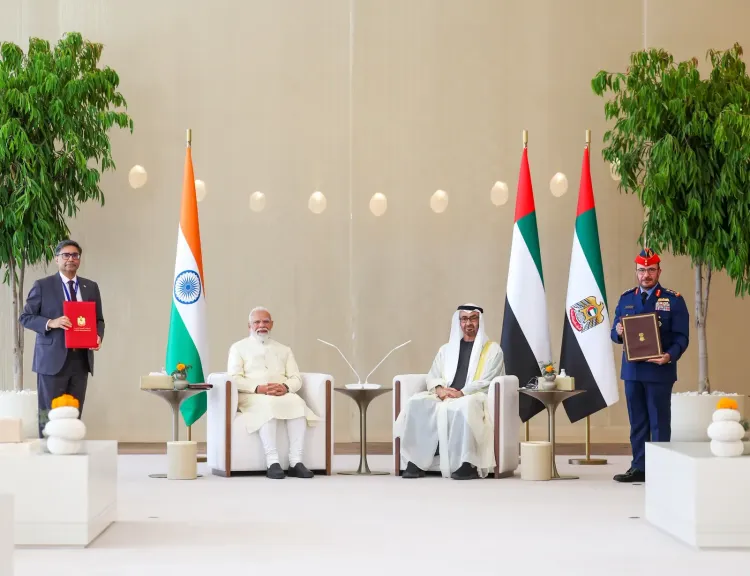
During Prime Minister Narendra Modi's visit to the UAE in May 2026, the two nations deepened collaboration on crude oil, LNG and LPG. They also agreed to increase UAE participation in India's strategic petroleum reserves and explored the creation of strategic gas reserves — a notable expansion of bilateral energy engagement.
Food security and supply chain cooperation
Food security has emerged as another key pillar. The report highlighted that Gulf demand could be linked with India's agricultural and food-processing capabilities, with scope for joint investment in storage infrastructure, logistics networks and reliable supply chains. This is significant given that India already supplies food, pharmaceuticals, engineering goods, textiles, machinery and digital services to Gulf economies.
Gulf representation within expanded BRICS
The Gulf is now directly represented in the expanded BRICS bloc through Saudi Arabia and the UAE, lending the grouping greater weight in the global energy and finance landscape. India holds deep relationships across all six GCC states — Bahrain, Kuwait, Oman, Qatar, Saudi Arabia and the UAE — and reportedly acts as a natural bridge between the Gulf and the wider BRICS community.
Millions of Indians reside in the Gulf, earning livelihoods or running businesses, providing what the report described as a 'strong human foundation' to the relationship.
Free trade agreement negotiations under way
India-Gulf ties gained further institutional depth in February 2026, when India signed terms of reference with the GCC and formally launched negotiations for a comprehensive free trade agreement covering all six member states. This move, if concluded, would mark the first time India enters a unified trade pact with the Gulf bloc.
Geopolitical context and what lies ahead
The report also flagged the geopolitical dimension: regional tensions have renewed attention on energy security, maritime trade and safe shipping through the Strait of Hormuz, even as Gulf states diversify their economies and strengthen commercial links with Asia. India's BRICS presidency offers a multilateral platform to deepen these conversations beyond bilateral channels.
With sectoral working groups reportedly being constituted around clean energy, digital infrastructure and food logistics, the next phase of India-Gulf engagement under BRICS is expected to yield concrete roadmaps before the summit's concluding session.
Point of View
Launched with fanfare in February, can overcome the tariff and dairy-market sensitivities that stalled similar negotiations before. If the BRICS platform merely produces joint statements without enforceable trade commitments, it risks replicating the gap between India's multilateral ambition and its bilateral delivery.
NationPress
13 Sept 2026
Frequently Asked Questions
How is India's 2026 BRICS presidency changing Gulf ties?
India is using its BRICS presidency to expand traditionally oil-centred Gulf relations into technology, food security, clean energy and investment cooperation. The 18th BRICS Summit provides a multilateral platform to institutionalise these new areas alongside existing energy trade.
What was agreed during PM Modi's May 2026 UAE visit?
India and the UAE deepened collaboration on crude oil, LNG and LPG. They also agreed to increase UAE participation in India's strategic petroleum reserves and explored the creation of strategic gas reserves.
When did India launch FTA talks with the GCC?
India signed terms of reference with the GCC and formally launched comprehensive free trade agreement negotiations in February 2026, covering Bahrain, Kuwait, Oman, Qatar, Saudi Arabia and the UAE.
Which Gulf countries are part of BRICS now?
Saudi Arabia and the UAE represent the Gulf within the expanded BRICS grouping, adding significant weight to the bloc in global energy markets and financial governance.
What new sectors are India and Gulf states exploring together?
Beyond traditional oil and gas, cooperation now spans solar equipment, green hydrogen, battery storage, low-carbon technology, food processing, logistics infrastructure and digital services.