Delhi Assembly Speaker Vijender Gupta: Indian knowledge systems key to financial discipline
Synopsis
Delhi Legislative Assembly Speaker Vijender Gupta used a University of Delhi lecture to make the case that India's ancient knowledge traditions — spanning ethics, governance, and resource management — hold practical lessons for modern personal and corporate finance, calling on educational institutions to embed indigenous wisdom into contemporary curricula.
Key Takeaways
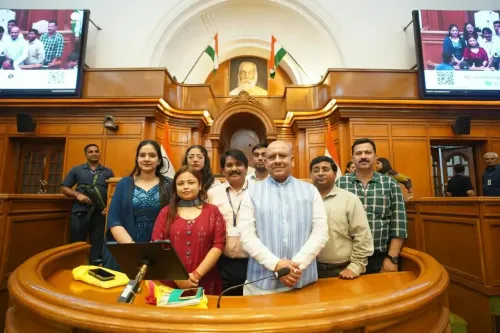
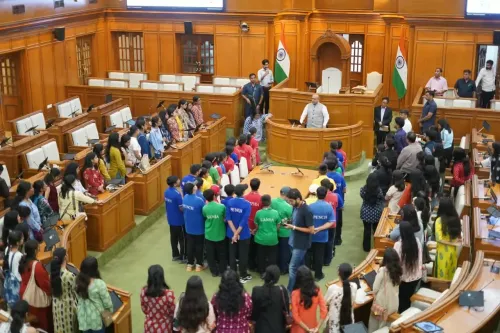
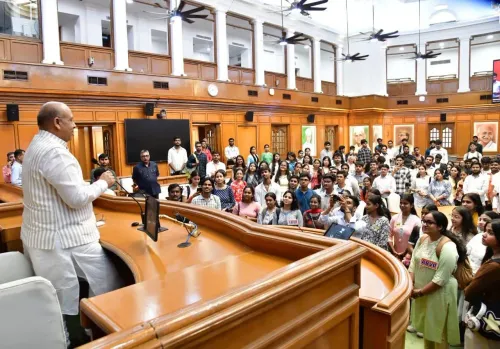
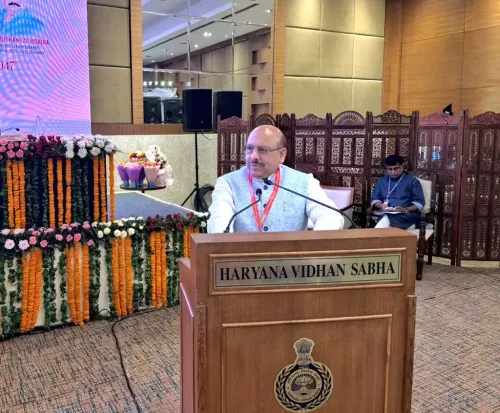
Delhi Assembly Speaker Vijender Gupta addressed a special lecture at Zakir Husain Delhi College (Evening) , University of Delhi , on 19 November 2026 .
The lecture focused on 'Personal and Corporate Finance in Indian Knowledge Systems' , organised by the college's IQAC .
Gupta said India's traditional knowledge offers timeless principles of financial discipline, prudent decision-making, and collective well-being.
He called on educational institutions to promote interdisciplinary research linking indigenous wisdom to contemporary economic frameworks.
The event was attended by Advocate J.P.
Sharma , Bharat Singh , Narendra Singh , and Sunaina Kanuajia among other dignitaries.
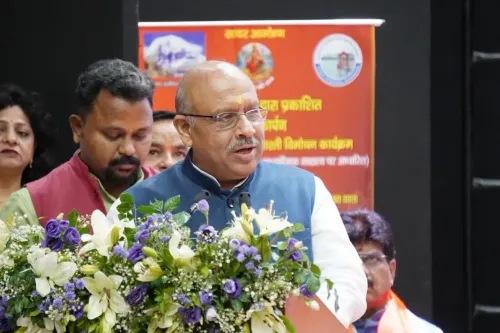
Delhi Legislative Assembly Speaker Vijender Gupta on Thursday, 19 November 2026, called for a deeper integration of India's traditional knowledge systems into contemporary financial education, asserting that finance extends far beyond money management to encompass ethical earning, responsible resource utilisation, and collective prosperity.
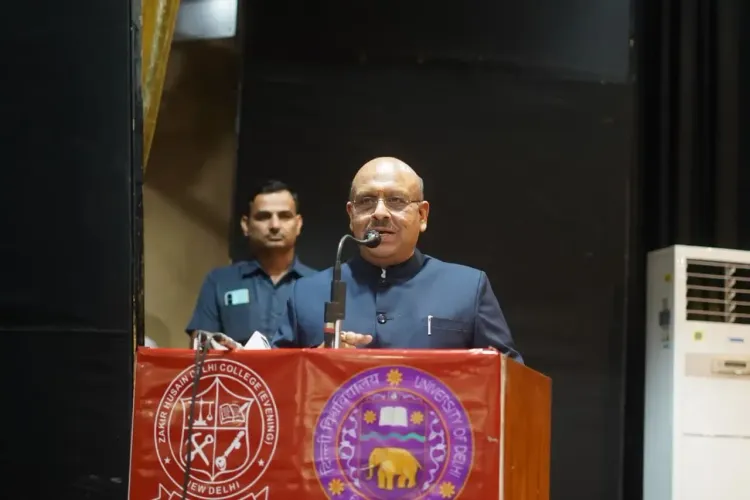
Gupta was delivering the keynote address at a special lecture on 'Personal and Corporate Finance in Indian Knowledge Systems' at Zakir Husain Delhi College (Evening), University of Delhi, where he served as Chief Guest. The event was organised under the college's Internal Quality Assurance Cell (IQAC).
Key Remarks by the Speaker
"India's rich knowledge traditions offer timeless principles of financial discipline, prudent decision-making and collective well-being that remain deeply relevant in the modern world," Gupta said, addressing students and faculty members gathered for the occasion.
He observed that Indian Knowledge Systems span a wide spectrum — encompassing economics, ethics, governance, and responsible resource management — and that traditional Indian thought places considerable emphasis on balancing material prosperity with moral responsibility and social welfare.
Gupta argued that incorporating these principles into modern financial curricula could encourage a more balanced, ethical, and sustainable approach to wealth creation and economic development.
Importance of Connecting Education to Indigenous Traditions
Addressing the student community directly, the Speaker underscored the need for young people to develop an appreciation for India's intellectual heritage alongside acquiring contemporary skills. He said educational institutions bear a critical responsibility in promoting research, dialogue, and interdisciplinary learning so that traditional wisdom finds meaningful expression in present-day academic discourse.
He appreciated the college and its IQAC for organising the programme and for advancing awareness of Indian Knowledge Systems through such academic initiatives.
Distinguished Attendees
The lecture was attended by several prominent figures, including Advocate J.P. Sharma, Chairman of the Governing Body, as Chief Patron; Bharat Singh, Principal of Zakir Husain Delhi College (Evening), as Patron; Narendra Singh, Principal of Zakir Husain Delhi College (Morning), as Special Guest; and Sunaina Kanuajia of the Department of Commerce, University of Delhi.
Broader Context
The event is part of a growing academic movement in India to revisit indigenous intellectual traditions — often termed Indian Knowledge Systems (IKS) — and explore their application in modern economic and institutional frameworks. The University Grants Commission has increasingly encouraged IKS integration across disciplines in recent years, making such lectures part of a wider curricular shift. This lecture provided a focused platform for examining the intersection of traditional Indian wisdom and contemporary financial practices, with the aim of encouraging meaningful engagement among the next generation of economists and finance professionals.
Point of View
But the substantive challenge lies in moving beyond ceremonial endorsements to concrete pedagogical frameworks. Speeches praising ancient wisdom at academic events are common; syllabi that operationalise those principles in accounting, corporate governance, or investment theory remain rare. Until institutions produce measurable course outcomes — not just inspirational lectures — IKS integration risks becoming aspirational branding rather than academic reform. The Speaker's call carries weight given his platform, but follow-through from the University of Delhi and its affiliated colleges will be the real test.
NationPress
19 Nov 2026
Frequently Asked Questions
What did Delhi Assembly Speaker Vijender Gupta say at Zakir Husain Delhi College?
Speaker Vijender Gupta said that finance is not merely about money management but also about earning ethically, using resources responsibly, and creating societal prosperity. He argued that India's traditional knowledge systems offer timeless principles of financial discipline that remain relevant in the modern world.
What was the topic of the special lecture at Zakir Husain Delhi College (Evening)?
The lecture was titled 'Personal and Corporate Finance in Indian Knowledge Systems' and was organised by the college's Internal Quality Assurance Cell (IQAC). It examined how traditional Indian wisdom can inform contemporary personal and corporate financial practices.
What are Indian Knowledge Systems (IKS) in the context of finance?
Indian Knowledge Systems refer to the body of traditional intellectual and philosophical traditions from India, encompassing economics, ethics, governance, and resource management. In a financial context, they emphasise balancing material prosperity with moral responsibility and social welfare.
Why is the integration of Indian Knowledge Systems into education significant?
The University Grants Commission has increasingly encouraged IKS integration across disciplines, signalling a wider shift in Indian higher education. Advocates argue this approach can foster ethical and sustainable economic thinking among future professionals.
Who else attended the lecture at Zakir Husain Delhi College?
The event was attended by Advocate J.P. Sharma as Chief Patron, Principal Bharat Singh as Patron, Narendra Singh (Principal, Zakir Husain Delhi College Morning) as Special Guest, and Sunaina Kanuajia from the Department of Commerce, University of Delhi.