Haryana CM Office: 45,000 Govt Jobs Filled Transparently in 2 Years
Synopsis
The Chief Minister's Office of Haryana says nearly 45,000 government jobs have been filled without bribes or influence in two years, invoking the 'bina parchi, bina kharchi' pledge while also highlighting private-sector employment as a path to youth self-reliance.
Key Takeaways
The Haryana CMO claims approximately 45,000 government jobs were filled transparently in the current two-year mandate.
The 'bina parchi, bina kharchi' ('without recommendation, without payment') slogan has been the cornerstone of Haryana BJP's recruitment reform messaging since 2014 .
The government frames private-sector job creation as an equal pillar alongside public-sector appointments for youth employment.
Recruitment bodies such as the HSSC and HPSC are the institutional backbone of the state's centralized, merit-based hiring push.
Haryana's industrial belt — Gurugram, Faridabad, Manesar — positions the state to attract private investment that could scale employment beyond government rolls.
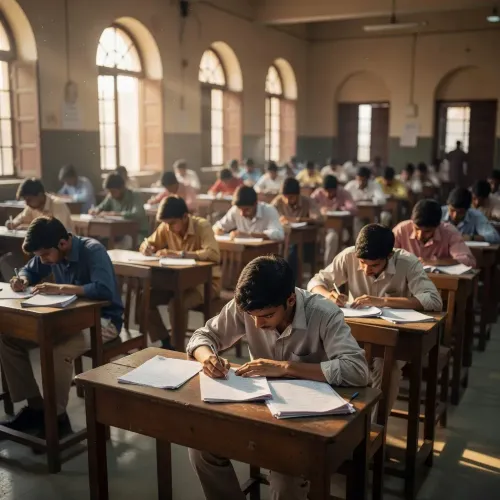
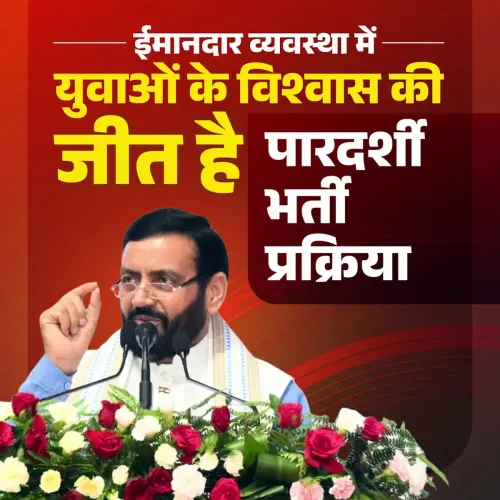
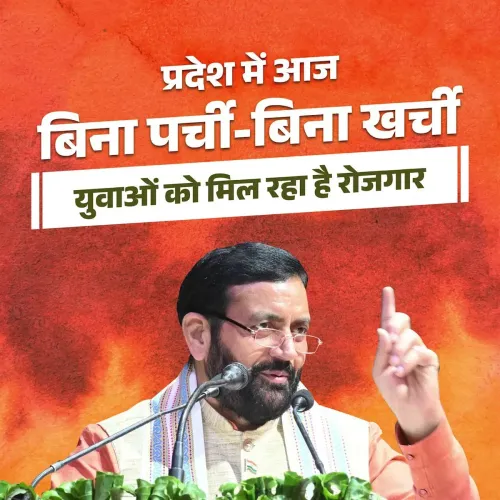
Nearly 45,000 young people in Haryana have received government jobs without paying a bribe or pulling a string — that is the central claim the Chief Minister's Office of Haryana put forward on Sunday, October 18, 2026, as the state government marked what it described as 12 years of development and two years of renewed resolve under its current mandate.
The 'Bina Parchi, Bina Kharchi' promise — and what it means
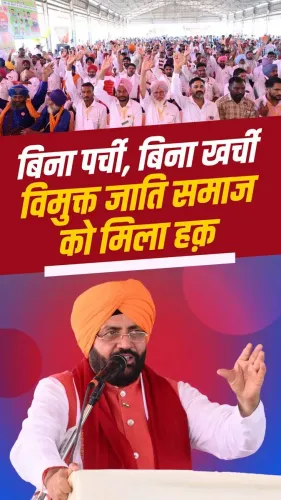
The post opens with a phrase that has become a political rallying cry across Haryana: 'bina parchi, bina kharchi' — literally, 'without a slip, without a spend.' The slogan targets the entrenched practice of recommendation letters and under-the-table payments that once shadowed public-sector hiring in the state. The CMO framed the roughly 45,000 appointments as proof that merit, not money, now drives recruitment — a claim that resonates sharply with a generation of aspirants who have long complained that government jobs were effectively auctioned to the highest bidder or best-connected family.
Haryana's BJP government, which first came to power in 2014, built much of its early identity around cleaning up the state's notoriously opaque hiring machinery. Centralized testing through the Haryana Staff Selection Commission (HSSC) and the Haryana Public Service Commission (HPSC), digital application portals, and publicly published merit lists were the instruments. The two-year marker referenced in the post aligns with the administration that returned to office in late 2024, branding its second mandate as a fresh chapter of accountability.
Private sector as the second pillar
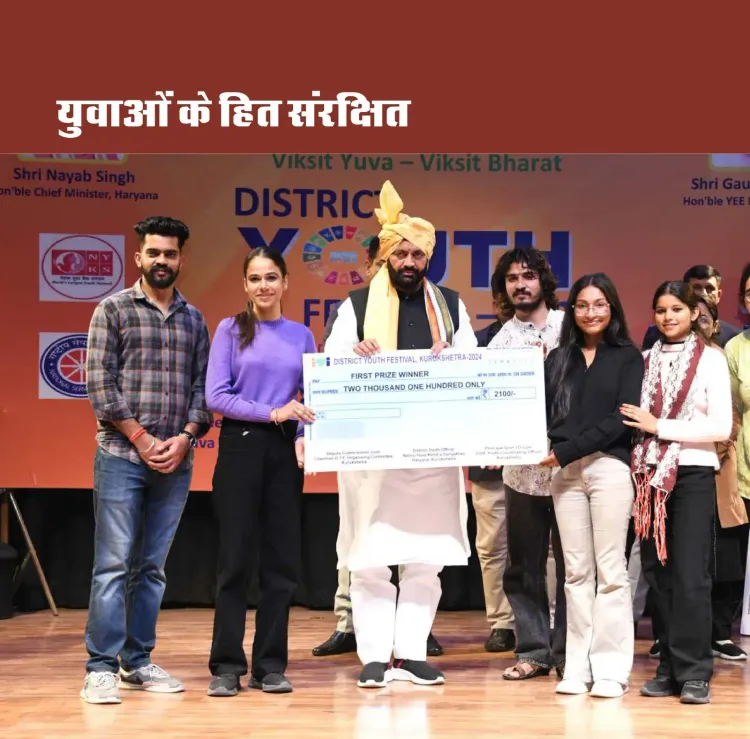
The CMO did not stop at government jobs. The post explicitly frames private-sector employment opportunities as a parallel track — one where young talent is being 'honoured' and a 'path to a self-reliant future' is being opened. That language maps onto a broader policy posture visible across several Indian states: use transparent public-sector hiring to restore faith, and use investor attraction and industrial policy to scale employment beyond what government rolls can ever absorb.
Haryana's geography — sandwiched between Delhi and anchored by industrial corridors in Gurugram, Faridabad, Manesar, and the Kundli-Manesar-Palwal Expressway belt — gives it a structural advantage in luring manufacturing and services investment. Any new private-sector job-creation push from this government would likely run through those corridors.
The number to watch: 45,000
The figure of approximately 45,000 jobs is the government's own claim for the current two-year window. Recruitment watchdogs, opposition parties, and job-seekers' collectives in the state will inevitably scrutinise whether those appointments match advertised vacancies, whether merit lists held up to legal challenge, and how the numbers compare with the backlog of unfilled posts across departments. The next set of notifications from the HSSC and HPSC will be the real scorecard.
For Haryana's youth — the state has one of India's highest proportions of working-age population actively seeking government employment — the stakes are not abstract. A credible, corruption-free hiring pipeline does not just change individual lives; it recalibrates the relationship between citizens and the state. That is the bet this government is publicly doubling down on.
Point of View
Bina kharchi' messaging is as much electoral capital as it is policy — transparent recruitment has been the BJP's single most durable promise to Haryana's youth since 2014, and anchoring a two-year anniversary to a concrete number (45,000 jobs) is a deliberate attempt to convert administrative process into political credibility. The dual emphasis on government appointments and private-sector opportunity also signals an acknowledgment that no state government can hire its way out of a youth employment challenge — it must crowd in industry. Whether the 45,000 figure withstands independent scrutiny will determine whether this narrative becomes a genuine governance record or a slogan waiting to be challenged.
NationPress
18 Oct 2026
Frequently Asked Questions
What does 'bina parchi bina kharchi' mean in Haryana government jobs?
'Bina parchi bina kharchi' literally means 'without a recommendation slip, without payment.' It is the Haryana government's slogan for conducting public-sector recruitments purely on merit, eliminating the bribes and political influence that historically shaped government hiring in the state.
How many government jobs has Haryana filled in the last 2 years?
The Haryana CMO claims approximately 45,000 government jobs have been filled transparently in the two years of the current mandate, though this figure is the government's own assertion and has not been independently verified.
Which body conducts government recruitment in Haryana?
The Haryana Staff Selection Commission (HSSC) handles Group B and C recruitments, while the Haryana Public Service Commission (HPSC) manages higher-level appointments. Both have moved to centralized, digital processes as part of the state's transparency push.
When did Haryana's BJP government first come to power?
Haryana's BJP government first came to power in October 2014. The current post marks 12 years of the party's governance in the state alongside two years of its latest mandate, which began after the 2024 assembly election.
What private sector employment opportunities are being created in Haryana?
The CMO's post highlights private-sector employment as a parallel track to government jobs, though no specific schemes or numbers were detailed. Haryana's industrial corridors — including Gurugram, Faridabad, and Manesar — remain the primary zones for private-sector job creation in the state.