Haryana launches Yamuna pollution action plan to clean drains before Delhi entry
Synopsis
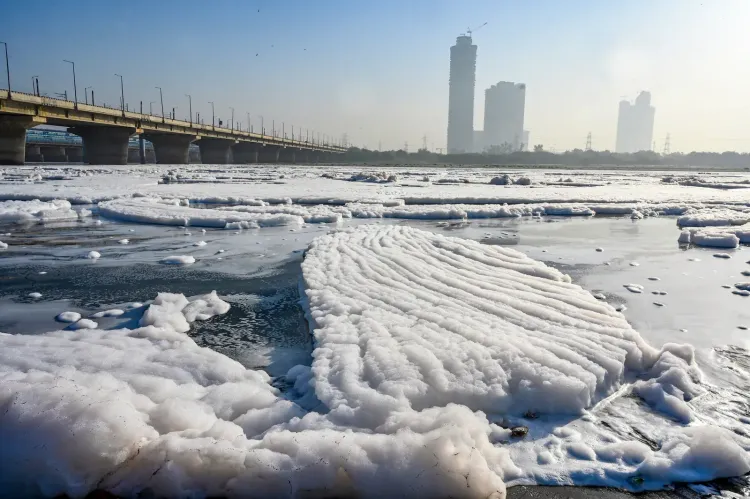
Haryana has put numbers to its Yamuna cleanup commitment: 90 sewage treatment plants already running at 1,518 MLD, drone surveys to map every drain feeding the river, and a pipeline of new plants targeting 510 MLD more — all aimed at stopping polluted inter-state drains from reaching Delhi. The real test is whether the phased timelines through 2028 hold.
Key Takeaways
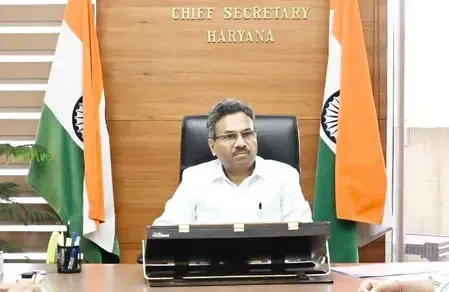
Haryana has launched a comprehensive Yamuna pollution action plan reviewed on 19 May 2025 by Chief Secretary Anurag Rastogi .
90 sewage treatment plants are operational across 34 towns with a combined capacity of 1,518 MLD ; nine more with 510 MLD capacity are planned.
Zone-wise drone surveys will map all drains and sub-drains discharging into the Yamuna to identify pollution hotspots.
Four key inter-state drains — Drain No.
6 , Mungeshpur , Bupania , and Palam Vihar — are under focused monitoring.
17 common effluent treatment plants (184.5 MLD) are operational; 8 new CETPs (146 MLD) have been proposed.
Project timelines run from December 2025 to December 2028 .
The Haryana government has launched a comprehensive action plan to curb Yamuna river pollution, targeting sewage treatment, industrial effluent management, and real-time drain monitoring to prevent contaminated water from crossing into Delhi through inter-state drains. The initiative, reviewed at a high-level meeting on Tuesday, 19 May, covers infrastructure upgrades, drone-based surveys, and phased timelines running through December 2028.
High-Level Review by Chief Secretary
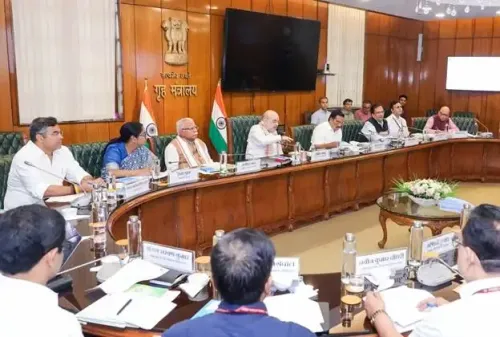
Chief Secretary Anurag Rastogi chaired the review of the state's pollution control strategy, with officials examining implementation of Ministry of Home Affairs directions on sewerage and industrial waste management. The meeting assessed progress on strengthening sewage treatment infrastructure, reducing biochemical oxygen demand levels, and enforcing stricter monitoring of industrial discharges across Haryana.
Specific inter-state drains entering Delhi from Haryana — including Drain No. 6, Mungeshpur Drain, Bupania Drain, and Palam Vihar Drain — were placed under focused scrutiny during the discussions.
Drone Surveys and Real-Time Monitoring
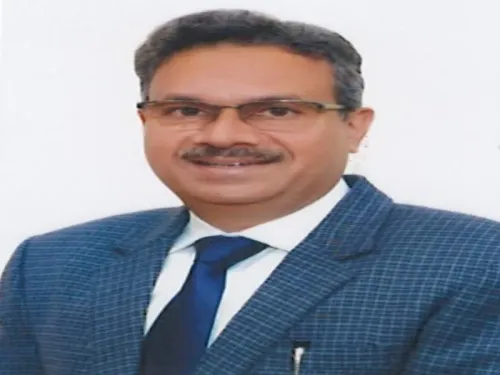
Haryana State Pollution Control Board (HSPCB) Chairman Vinay Pratap Singh said the state would conduct zone-wise drone surveys to map all drains and sub-drains discharging into the Yamuna, tracking both water flow and water quality. He said the initiative aims to identify pollution hotspots and strengthen source-level monitoring, on the lines of similar surveys already under way in Delhi. This marks a shift toward data-driven, real-time oversight rather than reactive enforcement.
Sewage Treatment: Current Capacity and Expansion Plans
Haryana has already operationalised 90 sewage treatment plants (STPs) with a combined treatment capacity of 1,518 million litres per day (MLD) across 34 towns. Four additional STPs with a capacity of 170 MLD are under construction, while nine existing plants with a capacity of 227 MLD are being upgraded. Looking further ahead, nine new STPs with a proposed capacity of 510 MLD are planned under the future expansion strategy.
Industrial Effluent Treatment Infrastructure
On the industrial side, 17 common effluent treatment plants (CETPs) with a combined capacity of 184.5 MLD are currently operational. Two CETPs with a capacity of 19 MLD are under upgradation, while eight new CETPs with a combined capacity of 146 MLD have been proposed to bolster industrial wastewater treatment. The HSPCB has prepared a detailed action plan covering STPs, CETPs, and drain-tapping projects to ensure compliance with pollution control norms.
Timeline and What Comes Next
Work on various components is already under way, with project timelines ranging from December 2025 to December 2028. The phased approach signals that while immediate measures are being implemented, full remediation of Yamuna-bound drains is a multi-year undertaking. Sustained inter-state coordination between Haryana and Delhi will be critical to achieving measurable improvements in river water quality downstream.
Point of View
Not just announcements. But the Yamuna's crisis is decades old, and previous state-level pledges have repeatedly stalled on execution. The drone-survey approach is a genuine step toward accountability, yet the timelines stretching to 2028 mean Delhi residents will wait years for any measurable downstream improvement. The deeper issue is inter-state coordination: without binding, time-bound targets enforced by a neutral authority, Haryana's plan risks being another well-documented effort that does not move the river's pollution indices.
NationPress
26 Sept 2026
Frequently Asked Questions
What is Haryana's Yamuna pollution action plan?
It is a comprehensive state-level initiative launched to reduce pollution entering the Yamuna river before it crosses into Delhi, focusing on sewage treatment plant upgrades, industrial effluent management, and real-time drone-based drain monitoring. The plan covers infrastructure timelines from December 2025 to December 2028.
Which drains from Haryana are being monitored for Yamuna pollution?
Four key inter-state drains — Drain No. 6, Mungeshpur Drain, Bupania Drain, and Palam Vihar Drain — are under focused scrutiny as primary channels through which polluted water from Haryana enters Delhi via the Yamuna system.
How many sewage treatment plants does Haryana currently operate?
Haryana has 90 operational sewage treatment plants with a combined capacity of 1,518 million litres per day across 34 towns. Four more plants (170 MLD) are under construction and nine new plants (510 MLD) are planned for future expansion.
What are the drone surveys planned by the Haryana Pollution Control Board?
The Haryana State Pollution Control Board plans zone-wise drone surveys to map all drains and sub-drains discharging into the Yamuna, monitoring both water flow and water quality to identify pollution hotspots and enable source-level enforcement.
When will Haryana's Yamuna pollution control measures be fully implemented?
Work on various components is already under way, with project timelines ranging from December 2025 to December 2028, making this a multi-year phased remediation effort.