Haryana launches SAMRIDDHI portal to cut maternal, neonatal deaths

Synopsis
Haryana is building a single digital spine for every pregnancy in the state — mandatory registration, a unified portal, a command centre, and a dedicated call centre, all linked. The SAMRIDDHI initiative's most significant departure is pulling private hospitals into the same monitoring loop as government facilities, a move that could finally close the data blind spot in state maternal health tracking.
Key Takeaways
Haryana CM Nayab Singh Saini announced the SAMRIDDHI initiative on 30 August to reduce maternal and neonatal mortality.
Every pregnant woman in the state will be mandatorily registered on the portal with a unique digital identity .
Coverage spans government hospitals, private hospitals, and medical colleges .
The SAMRIDDHI portal , state-level command centre , and 102 Maternal and Child Health Call Centre will be integrated through technology.
Women with normal pregnancies will be contacted every three months ; high-risk cases will be monitored more frequently with escalating contact near delivery.
Trained nurses at the call centre will provide guidance, identify risks, and coordinate referrals to appropriate health facilities.
Haryana Chief Minister Nayab Singh Saini on Sunday, 30 August announced the rollout of the SAMRIDDHI initiative, a technology-driven programme designed to reduce maternal and neonatal mortality across the state by ensuring continuous, quality healthcare for every pregnant woman from registration through the post-partum period.
What SAMRIDDHI Covers
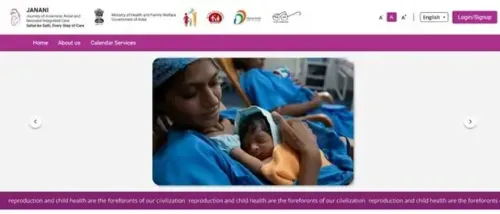
At its core, the system mandates registration of every pregnant woman in Haryana on a dedicated portal, assigning each a unique digital identity that consolidates all pregnancy-related health records in one place. The coverage extends to women receiving care at government hospitals, private hospitals, and medical colleges alike — ensuring no woman falls through the data gap regardless of where she seeks treatment.
The SAMRIDDHI portal, a state-level command centre, and the 102 Maternal and Child Health Call Centre will be integrated through modern technology, creating a unified surveillance and response system. Health workers including ANMs, doctors, and officials will receive automated alerts for upcoming examinations, deliveries, and follow-up appointments.
High-Risk Pregnancy Monitoring
A key feature of the programme is its tiered monitoring framework. Women with normal pregnancies will be contacted once every three months, while those classified as high-risk will be tracked more frequently. As the expected delivery date approaches, the frequency of contact and monitoring will be stepped up to enable immediate emergency response.
If a high-risk condition is identified through the 102 Call Centre, the information will be instantly relayed to the command centre and updated on the SAMRIDDHI portal. Trained nurses staffing the call centre will provide health guidance, flag risks, and, when necessary, coordinate the patient's transfer to an appropriate facility.
Why This Initiative Matters
India's maternal mortality ratio has declined in recent years, but state-level disparities remain significant. Haryana has historically faced challenges in rural maternal healthcare access, making a centralised digital tracking system a meaningful structural intervention. Notably, the integration of private hospitals into the monitoring framework is a departure from earlier government-only health data initiatives, potentially offering a more complete picture of pregnancy outcomes across the state.
Chief Minister Saini said the integrated system will enable timely identification of high-risk pregnancies and prompt referral to higher-level health facilities whenever required — two areas where delays have historically contributed to adverse maternal outcomes.
What Comes Next
The government has not yet disclosed a specific launch date for full operationalisation of the integrated system or the 102 Call Centre. Implementation timelines, staffing details for the command centre, and the technology vendor for the portal are yet to be officially announced. Health officials and district administrations are expected to receive operational guidelines as the rollout progresses.
Point of View
Accurate data entry from thousands of private providers will determine whether SAMRIDDHI becomes a genuine early-warning system or another underutilised portal. The initiative also raises a quiet accountability question: if high-risk alerts are generated but referral transport or facility capacity is absent, the system documents failure without preventing it.
NationPress
30 Aug 2026
Frequently Asked Questions
What is the SAMRIDDHI initiative launched by Haryana?
SAMRIDDHI is a Haryana government programme aimed at reducing maternal and neonatal mortality by digitally registering every pregnant woman in the state and continuously monitoring her health through pregnancy, delivery, and the post-partum period. It integrates a dedicated portal, a state-level command centre, and the 102 Maternal and Child Health Call Centre.
Who is covered under the SAMRIDDHI programme?
The programme covers all pregnant women in Haryana, whether they receive treatment at government hospitals, private hospitals, or medical colleges. Every woman will be assigned a unique digital identity to maintain a comprehensive, portable health record.
How will high-risk pregnancies be handled under SAMRIDDHI?
High-risk pregnancies will be identified early through the portal and call centre, with more frequent monitoring than normal pregnancies. As the delivery date nears, contact frequency increases further, and any high-risk finding at the call centre is immediately shared with the command centre and updated on the portal for prompt referral.
What is the 102 Maternal and Child Health Call Centre?
It is a state-level call centre staffed by trained nurses who will provide health guidance to pregnant women, identify risk conditions, and assist in arranging transfer to appropriate health facilities when needed. It forms one of three integrated components of the SAMRIDDHI system.
When will the SAMRIDDHI system be fully operational?
The government has not yet announced a specific date for full operationalisation. Implementation timelines, command centre staffing, and the technology platform details are expected to be released as the rollout progresses.