How Does the Haryana Assembly’s New Bill Affect Small Establishments?
Synopsis
On December 22, the Haryana Assembly passed a significant bill aimed at easing compliance for smaller businesses. This transformative legislation is expected to foster economic growth while safeguarding workers’ rights, creating a win-win situation for both employees and employers. Discover how this bill could reshape the business landscape in Haryana.
Key Takeaways
New registration threshold set at 20 employees.
Exemption from registration for businesses with fewer than 20 workers.
Daily working hours increased to 10 hours.
Maximum overtime limit raised to 156 hours per quarter.
Worker protection measures established for overtime compensation.
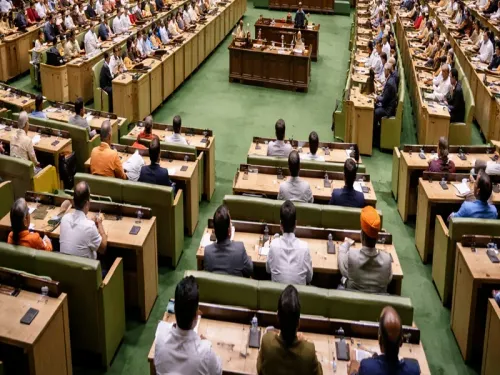
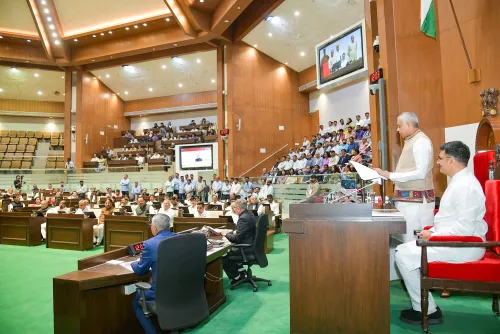
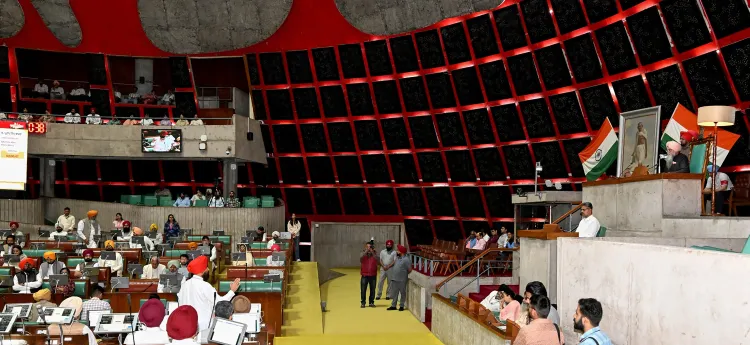
Chandigarh, Dec 22 (NationPress) The Haryana Vidhan Sabha has successfully passed the Haryana Shops and Commercial Establishments (Amendment) Bill of 2025 on Monday, aiming to ease the compliance requirements for smaller businesses. This reform is designed to drive economic growth while ensuring the continued protection of workers.
Labour Minister Anil Vij, who presented the Bill, emphasized its advantages for both employees and employers, asserting that it serves the interests of both parties.
He explained that the threshold for registration and other regulatory requirements has been raised from zero employees to 20 or more in any establishment, significantly reducing the compliance burden for smaller operations, encouraging job creation, and alleviating fears of non-compliance.
Under this Bill, businesses with fewer than 20 workers will no longer need to obtain a registration certificate; they will only have to notify the authorities about their business activities.
Previously, all shopkeepers were mandated to register. Minister Vij highlighted that in states like Karnataka, even shopkeepers without any employees must register.
The Minister conducted a comprehensive review of data from various states across India before finalizing this Bill.
In Haryana, registration is required for establishments with 20 or more workers. Likewise, states such as Maharashtra, Punjab, Andhra Pradesh, and Odisha have similar requirements.
Furthermore, the standard daily working hours have been extended from nine to ten hours in Haryana, alongside provisions for a maximum of 48 hours per week.
“This initiative aims to enhance economic activity, boost employment opportunities, and provide the flexibility needed for businesses to manage emergencies and peak demands,” the minister stated.
Additionally, the overtime limit has been increased from 50 to 156 hours within a quarter, allowing businesses to engage workers for longer periods during exceptional work pressures.
Vij remarked, “This adjustment will not only enhance the earning potential of workers but will also formalize overtime practices, ensuring all additional hours worked are properly documented and compensated, thereby preventing worker exploitation. It’s important to note that overtime work will not be compulsory for employees.”
Point of View
The passing of the Haryana Shops and Commercial Establishments (Amendment) Bill marks a pivotal moment for small businesses in Haryana. It reflects an understanding of the need for economic growth while balancing the rights of workers. This approach could serve as a model for other states grappling with similar challenges, fostering a healthier business environment across the nation.
NationPress
19 Sept 2026
Frequently Asked Questions
What is the Haryana Shops and Commercial Establishments (Amendment) Bill?
The Haryana Shops and Commercial Establishments (Amendment) Bill is a legislative measure designed to reduce compliance burdens on smaller businesses and promote economic growth while ensuring worker protection.
How does this bill benefit small businesses?
The bill increases the registration threshold from zero to 20 employees, allowing establishments with fewer than 20 workers to operate without needing a registration certificate.
What changes have been made to working hours?
The bill extends daily working hours from nine to ten and allows for a maximum of 48 hours of work per week.
Will overtime work be mandatory under this bill?
No, while the bill increases the overtime limit to 156 hours per quarter, engaging in overtime work will not be mandatory for employees.
How does this bill protect workers?
The bill ensures that all overtime hours are documented and compensated, preventing the exploitation of workers.