Haryana CMO: 789 EV Charging Stations Set Up Across State

Synopsis
The Chief Minister's Office of Haryana announced on 19 July 2026 that 789 EV charging stations and points have been set up across the state, aiming to boost electric vehicle adoption, cut carbon emissions, and accelerate Haryana's transition to a green energy future.
Key Takeaways
789 EV charging stations and points have been established across Haryana as of 19 July 2026 .
The expansion is aimed at encouraging electric vehicle adoption and reducing carbon emissions in the state.
Haryana borders Delhi , making its EV infrastructure push significant for regional air quality improvement.
The rollout aligns with India's national FAME scheme , which has supported EV and charging infrastructure since 2015 .
Key beneficiaries include EV users and urban commuters who face range anxiety due to sparse charging networks.
Future steps may include linking the state network with national highway EV corridors and integrating renewable energy sources.
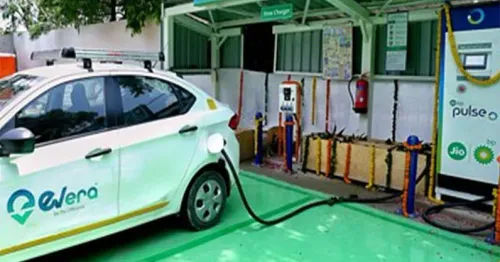
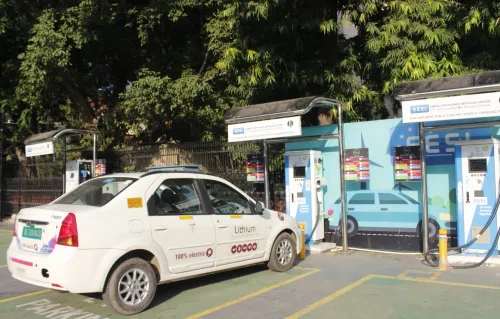
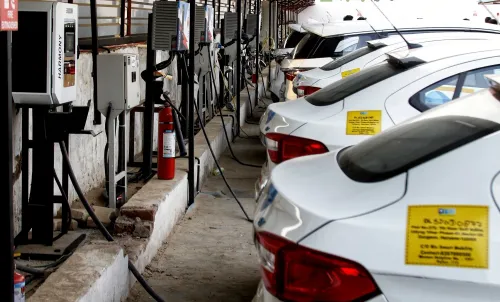
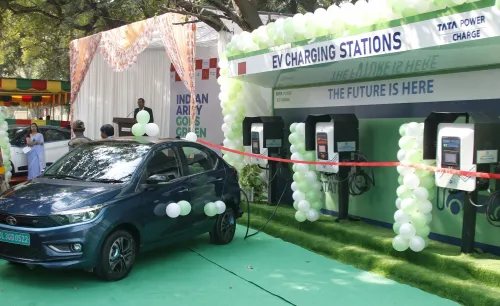
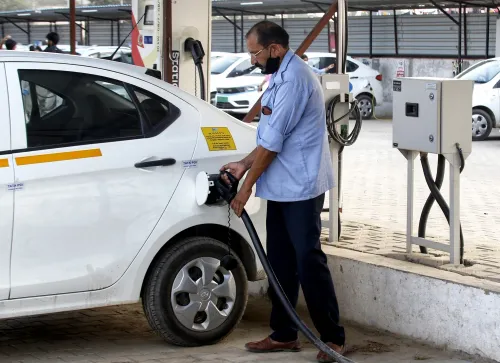
The Chief Minister's Office of Haryana announced on Sunday, 19 July 2026 that 789 electric vehicle (EV) charging stations and points have been established across the state, marking a significant step in the government's push for clean, green, and sustainable transport infrastructure.
The post, shared in Hindi, stated: 'हरियाणा में स्वच्छ, हरित और सतत परिवहन को बढ़ावा देने की दिशा में एक और महत्वपूर्ण कदम' ('Another important step towards promoting clean, green and sustainable transport in Haryana'), adding that the expansion of modern and reliable charging infrastructure will encourage electric vehicles, reduce carbon emissions, and give new momentum to a green energy-based future.
Context
Haryana, a northern Indian state bordering Delhi, has been actively pursuing sustainable mobility goals in line with national targets. The state's industrial base and proximity to the national capital make it a critical zone for addressing urban air pollution and vehicular emissions. The announcement of 789 EV charging stations and points reflects a concrete infrastructure milestone in this effort.
The government framed the rollout as part of a broader vision to transition toward a green energy-based future, citing benefits including reduced carbon emissions and greater public confidence in electric mobility.
Policy Backdrop
India's EV charging ecosystem has been shaped significantly by the national Faster Adoption and Manufacturing of (Hybrid &) Electric Vehicles (FAME) scheme, first launched in 2015, which provided financial support for both EV adoption and the build-out of charging infrastructure across states. Haryana's expansion aligns with this broader policy direction.
Multiple Indian states have pursued parallel charging infrastructure projects as part of the national shift toward electric mobility, aimed at reducing oil import dependence and curbing urban air pollution. Haryana's announcement positions it among states actively translating central guidelines into ground-level infrastructure.
Stakeholders and Impact
The primary beneficiaries of this expansion are EV users and urban commuters across Haryana, who have historically faced 'range anxiety' — the concern that insufficient charging points would leave them stranded. A network of 789 stations and points spread across the state is designed to directly address this barrier to EV adoption.
The build-out also carries implications for local air quality, particularly in districts adjoining Delhi, where vehicular pollution has been a persistent public health concern. By incentivising a shift away from petrol and diesel vehicles, the infrastructure investment is expected to contribute to measurable reductions in carbon emissions over time.
What's Next
Attention will now turn to the pace of further rollout and whether Haryana will link its state charging network with national highway EV corridors currently being developed under central programmes. Any revision to FAME guidelines or a successor scheme could also accelerate the next phase of infrastructure deployment.
The government's emphasis on 'modern and reliable' charging infrastructure suggests future announcements may focus on interoperability standards, fast-charging capacity, and integration with renewable energy sources — all critical to sustaining long-term EV growth in the state.
Point of View
Given the capital's chronic air quality crisis and the visibility it commands nationally. The framing — 'clean, green and sustainable transport' — tracks closely with the language of central FAME-era policy, suggesting the state is aligning its narrative with Union government priorities ahead of potential scheme renewals or successor programmes. The real test will be whether this infrastructure density translates into measurable EV uptake data in the next annual cycle.
NationPress
20 Jul 2026
Frequently Asked Questions
How many EV charging stations are there in Haryana?
As of 19 July 2026 , 789 EV charging stations and points have been established across Haryana , according to the Chief Minister's Office.
What is Haryana doing to promote electric vehicles?
Haryana has set up 789 EV charging stations and points as part of its push for clean and sustainable transport, aiming to reduce carbon emissions and encourage EV adoption across the state.
What is the FAME scheme and how does it relate to Haryana's EV plans?
The FAME (Faster Adoption and Manufacturing of Hybrid and Electric Vehicles) scheme , launched nationally in 2015 , supports EV adoption and charging infrastructure. Haryana's expansion of charging stations aligns with this central policy framework.
Why is EV charging infrastructure important in Haryana?
Haryana borders Delhi and shares its air quality challenges. Expanding EV charging infrastructure reduces dependence on petrol and diesel vehicles, helping cut vehicular carbon emissions in a densely populated and industrially active region.
Will Haryana connect its EV charging network to national highways?
The Haryana government has not yet announced a formal linkage with national highway EV corridors, but policy watchers expect future phases of the rollout to address inter-city and highway charging connectivity.