Haryana CMO extends greetings on Guru Gorakhnath Smriti Diwas
Synopsis
The Chief Minister's Office of Haryana extended greetings to the nation on Guru Gorakhnath Smriti Diwas on 23 May 2026, honouring the 11th–12th century Nath saint credited with shaping Hatha Yoga and the Nath sampradaya tradition across northern India.
Key Takeaways
The Chief Minister's Office of Haryana posted official greetings on Guru Gorakhnath Smriti Diwas on 23 May 2026 .
Guru Gorakhnath was an 11th–12th century yogi-saint and a foundational figure of the Nath sampradaya .
He is widely credited with systematising key practices of Hatha Yoga and is venerated across northern India.
The message was addressed to citizens of the entire country, reflecting a broad cultural outreach.
Such commemorations by state governments are part of a wider pattern of associating governance with India's classical spiritual heritage.
Follow-up state events linked to Nath tradition sites or yoga promotion in Haryana may follow in coming months.
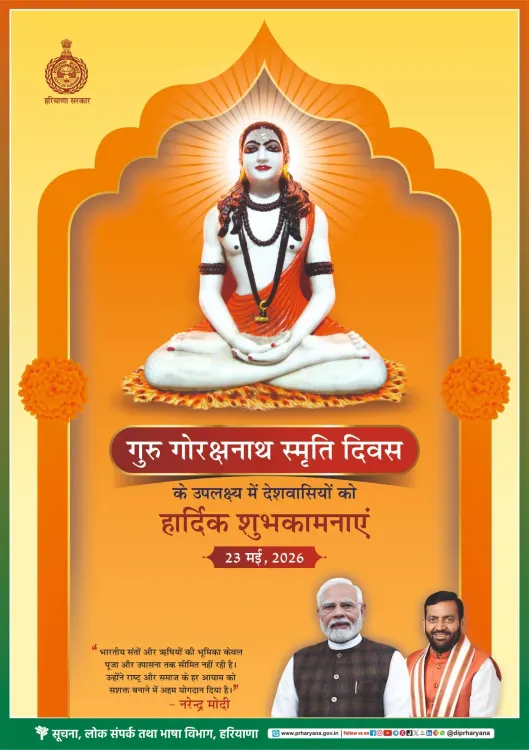
The Chief Minister's Office of Haryana on Saturday, 23 May 2026 extended warm greetings to citizens of the country on the occasion of Guru Gorakhnath Smriti Diwas, the commemorative day observed in memory of the revered medieval saint and yogi.
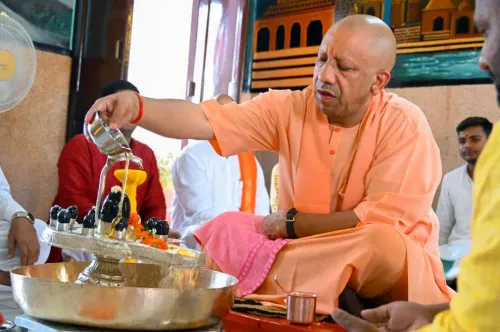
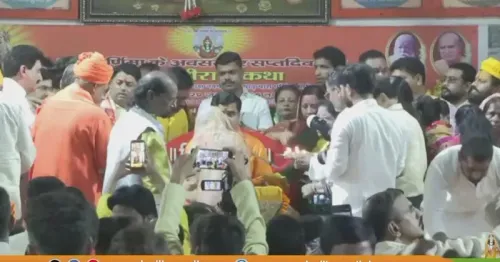
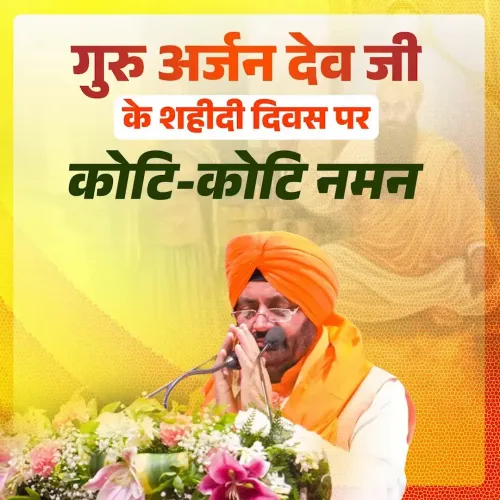
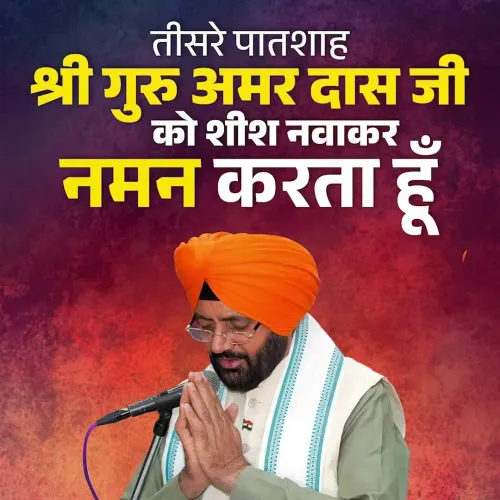
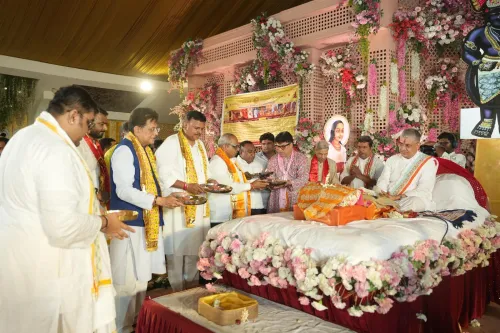
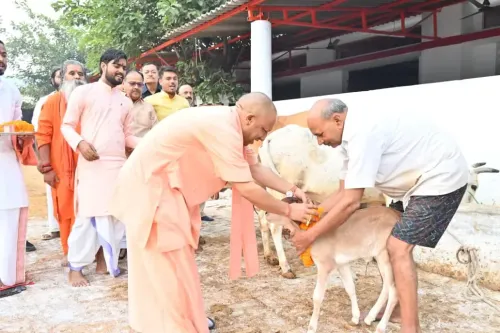
The post, shared on the official CMO Haryana account, read: 'Guru Gorakhnath Smriti Diwas ke upalakshya mein deshvasiyon ko hardik shubhkamnaen' — 'Heartfelt greetings to the people of the country on the occasion of Guru Gorakhnath Smriti Diwas.' The message was accompanied by two images.
Context
Guru Gorakhnath was an influential yogi-saint of the 11th–12th century, widely regarded as a foundational figure of the Nath sampradaya — a Shaivite ascetic tradition that spread across northern and western India. He is credited with systematising practices central to Hatha Yoga and is venerated by millions of devotees across the Hindi belt and beyond. His teachings blended spiritual discipline with social inclusivity, drawing followers from diverse communities. Smriti Diwas observances — literally 'remembrance days' — are a common form of public commemoration in India, marking the legacy of saints, reformers, and historical figures. Such days are observed through prayers, cultural programmes, and official acknowledgements from government institutions.Policy Backdrop
Indian state governments, particularly across the Hindi belt, have increasingly incorporated commemorations of medieval spiritual figures into their official communication calendars. These messages serve to align state governance with regional cultural and religious heritage, underscoring traditions tied to yoga, Shaivite philosophy, and the Nath tradition. Haryana has been an active participant in this broader pattern, with its government regularly issuing greetings and statements on days of cultural and religious significance. The Nath sampradaya holds particular resonance across northern India, where its saints are embedded in folk memory, literature, and local religious practice.Stakeholders and Impact
The message is directed at the broad citizenry but holds special meaning for devotees of the Nath tradition, practitioners of Hatha Yoga, and communities in Haryana and neighbouring states where Gorakhnath's legacy is actively observed. Nath tradition sites and associated cultural institutions across the region regard such official acknowledgements as recognition of their spiritual and historical heritage. For the state government, such observances reinforce its engagement with the cultural fabric of the region, signalling continuity with India's classical spiritual traditions alongside its administrative responsibilities.What's Next
Observers of Haryana's cultural policy will watch for any follow-up state-level events — such as yoga programmes, heritage initiatives, or outreach at Nath tradition sites — that may be organised in the coming months in connection with this commemoration. Official greetings of this nature often precede or accompany broader state-sponsored cultural activities, and the government's engagement with the Nath sampradaya's legacy could inform future heritage and wellness programming in the state.Point of View
With its cross-caste appeal and deep roots in northern India's folk culture, represents a tradition that state institutions find culturally advantageous to honour. Such gestures, while ceremonial in form, signal the government's alignment with a particular strand of India's classical heritage. Whether this translates into substantive cultural or heritage programming in Haryana will be the real measure of the state's engagement with the Nath tradition.
NationPress
16 Sept 2026
Frequently Asked Questions
Who is Guru Gorakhnath?
Guru Gorakhnath was an influential yogi-saint of the 11th–12th century, regarded as a key figure in the Nath sampradaya and credited with systematising Hatha Yoga practices across northern India.
What is Guru Gorakhnath Smriti Diwas?
Guru Gorakhnath Smriti Diwas is a commemorative day observed in memory of the saint Guru Gorakhnath, marked by devotees of the Nath tradition and acknowledged by government institutions across the Hindi belt.
What is the Nath sampradaya?
The Nath sampradaya is a Shaivite ascetic tradition founded on the teachings of saints like Guru Gorakhnath, known for its emphasis on yoga, spiritual discipline, and social inclusivity across northern and western India.
Why did the Haryana CMO post about Guru Gorakhnath Smriti Diwas?
The Chief Minister's Office of Haryana issued the greeting as part of a broader state practice of officially acknowledging culturally and religiously significant commemorative days, particularly those tied to India's classical spiritual heritage.
What is the significance of Guru Gorakhnath for Hatha Yoga?
Guru Gorakhnath is widely credited with systematising and popularising the practices of Hatha Yoga, making him a foundational figure for yoga traditions that continue to be practised across India and globally.