CM Hemant Soren Directs Faster Welfare Delivery, Anganwadi Push
Synopsis
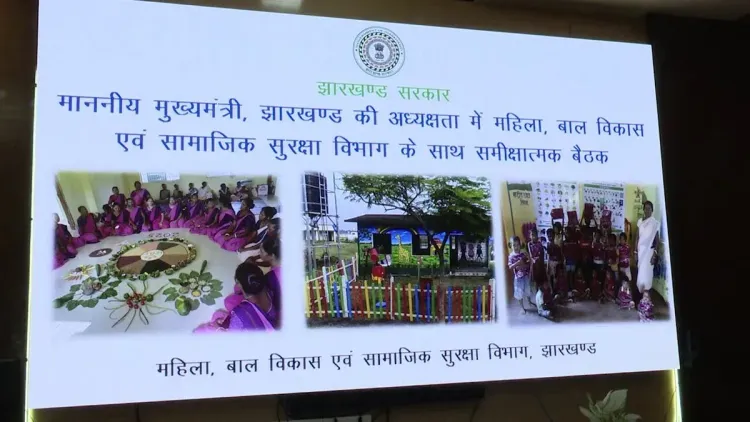
Chief Minister Hemant Soren has directed Jharkhand officials to accelerate welfare scheme delivery to the last beneficiary, strengthen Anganwadi centre infrastructure in rural areas, and expedite recruitment to vacant Women and Child Development department posts.
Key Takeaways
CM Hemant Soren directed officials on 26 May 2026 to accelerate delivery of government schemes to the last beneficiary.
Special attention was ordered for Anganwadi centres in rural areas, with a focus on strengthening basic infrastructure.
The Chief Minister called for faster recruitment to fill vacant posts in the Women and Child Development department.
Anganwadi centres operate under the Integrated Child Development Services (ICDS) , launched in 1975 , serving children under six and pregnant women.
The national Poshan Abhiyan (2018) mandates Anganwadi infrastructure upgrades, which state governments are expected to support with staffing and investment.
Rural women, children, and Anganwadi workers across Jharkhand stand to benefit directly from these directives if implemented.
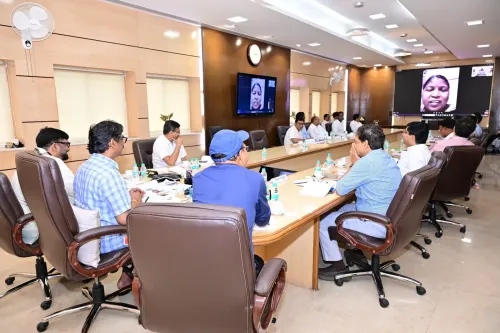
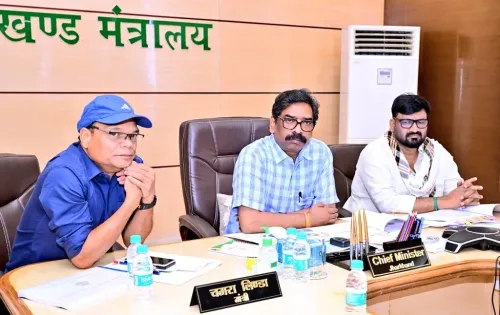
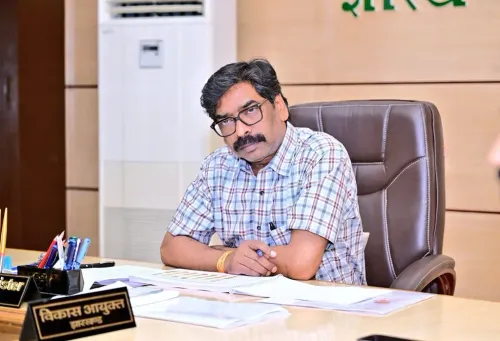
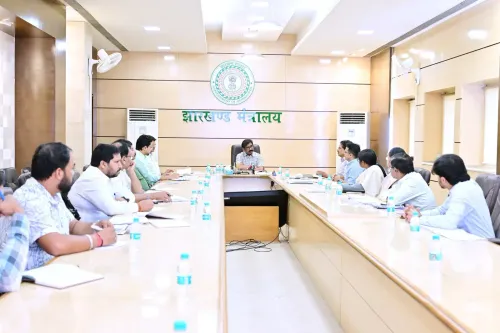
The Chief Minister's Office of Jharkhand, on Tuesday, 26 May 2026, shared directions from Chief Minister Hemant Soren calling for accelerated delivery of government schemes to the last beneficiary, with special emphasis on strengthening Anganwadi centres in rural areas and expediting recruitment to fill vacant posts in the department.
Context
In the post, Chief Minister Hemant Soren is quoted as saying: 'योजनाओं एवं कार्यक्रमों में तेजी लाते हुए अंतिम व्यक्ति तक लाभ पहुँचाया जाए' — 'Schemes and programmes must be accelerated so that benefits reach the last person.' He further directed officials to pay 'special attention' to Anganwadi centres operating in rural areas and to strengthen their basic infrastructure. The Chief Minister also called for speeding up the appointment process to fill vacant posts within the department.
The directives reflect a recurring administrative priority in Jharkhand: closing the gap between policy intent and on-ground delivery, particularly for communities in remote tribal and rural belts where access to welfare infrastructure remains uneven.
Policy Backdrop
Anganwadi centres function as the front line of India's Integrated Child Development Services (ICDS), a centrally-sponsored scheme launched in 1975 to provide nutrition, preschool education, and health services to children under six and pregnant or lactating women. Jharkhand, with a large scheduled tribe population and significant child malnutrition burden, has thousands of such centres spread across its districts.
The national Poshan Abhiyan, rolled out in 2018, further mandated upgrades to Anganwadi infrastructure and service quality to meet nutrition targets. State governments, including Jharkhand, are expected to complement this with timely staffing and infrastructure investment. Persistent vacancies in the Women and Child Development department have been a known bottleneck in several states, limiting effective service delivery at the ground level.
Stakeholders and Impact
The primary beneficiaries of these directives are rural women and children across Jharkhand, who depend on Anganwadi centres for supplementary nutrition, immunisation tracking, and early childhood stimulation. Anganwadi workers and helpers — the backbone of last-mile delivery — would also be directly affected by any recruitment drive and infrastructure improvements.
Filling vacant posts is particularly significant: understaffed centres often operate below capacity, reducing the quality and regularity of services. Stronger infrastructure — functional buildings, clean water, adequate equipment — directly correlates with higher attendance and better nutritional outcomes for enrolled children.
What's Next
Observers will watch for formal recruitment notifications from Jharkhand's Women and Child Development department and any district-level audit or upgrade plans for Anganwadi centres. The Chief Minister's public directive signals administrative pressure on the department to produce measurable outcomes. Whether these instructions translate into time-bound targets and budget allocations will determine their real-world impact on Jharkhand's welfare delivery machinery.
Frequently Asked Questions
What did CM Hemant Soren say about Anganwadi centres in Jharkhand?
CM Hemant Soren directed officials to pay special attention to Anganwadi centres operating in rural areas and to strengthen their basic infrastructure to improve welfare delivery.
What is the role of Anganwadi centres in Jharkhand?
Anganwadi centres in Jharkhand function under the Integrated Child Development Services (ICDS) to deliver nutrition, preschool education, and health services to children under six and pregnant or lactating women, especially in rural and tribal areas.
Why is filling vacant posts in the Women and Child Development department important?
Vacant posts leave Anganwadi centres understaffed, reducing the quality and regularity of services. CM Soren's directive to expedite recruitment aims to address this bottleneck in last-mile welfare delivery.
What is Poshan Abhiyan and how does it relate to Jharkhand's Anganwadi push?
Poshan Abhiyan, launched nationally in 2018, mandates upgrades to Anganwadi infrastructure and service quality to meet nutrition targets. Jharkhand's latest directives align with this national framework by prioritising infrastructure strengthening and staffing.
What should we watch for after CM Soren's welfare directives?
Watch for formal recruitment notifications from Jharkhand's Women and Child Development department and any district-level plans for Anganwadi centre audits or upgrades following the Chief Minister's instructions.