Why Are ‘Logical Discrepancy’ Cases So High in Bengal?
Synopsis
The Election Commission of India (ECI) has responded to rising concerns regarding the high incidence of 'logical discrepancies' on West Bengal's electoral rolls. With around 94 lakh cases noted, the ECI aims to clarify the situation amidst criticism. Discover the details behind these anomalies and their implications for upcoming elections.
Key Takeaways
94 lakh cases of logical discrepancies identified in West Bengal.
Manipulations aimed at maintaining fraudulent voter registrations.
ECI strives to balance genuine voter inclusion with the removal of fake entries.
Hearing sessions ongoing until February 7 .
Final voters' list to be published on February 14 .
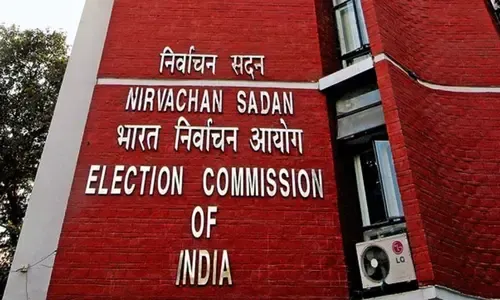
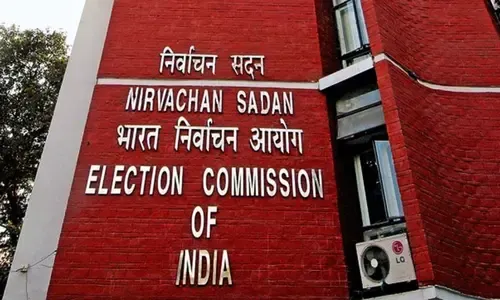
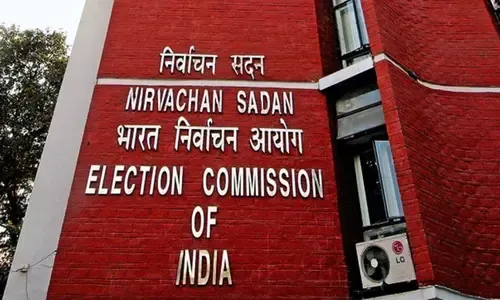
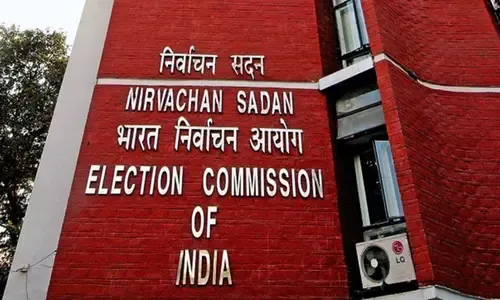
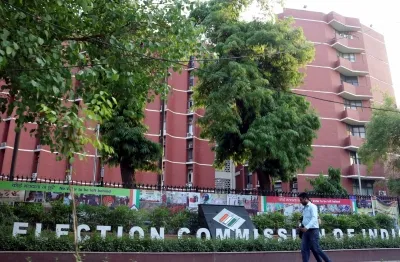
Kolkata, Jan 19 (NationPress) In light of recent accusations that the Election Commission of India (ECI) has been recklessly issuing notices for hearings regarding claims and objections to the draft electoral roll in West Bengal, the Commission has provided clarification on the unusually high count of cases labeled as “logical discrepancies” in the state.
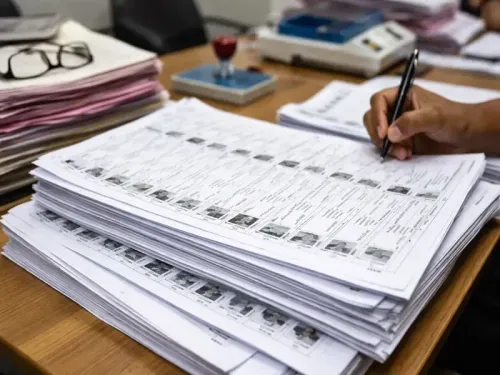
The ECI has identified approximately 94 lakh cases categorized as “logical discrepancies” in West Bengal. These cases denote inconsistencies discovered during progeny mapping, where implausible or contradictory familial relationships appear within voter records.
Officials from the Chief Electoral Officer (CEO) office in West Bengal cited multiple instances demonstrating how fraudulent voters attempted to maintain their names on the electoral roll by falsely associating themselves with unrelated legitimate voters.
“There have been instances where eight to ten voters were recorded as sons or daughters of a single senior citizen voter during progeny mapping. However, during hearings, it became evident that the senior citizen had only two children and had no biological connection to most of those listed as his sons or daughters,” explained an official from the CEO’s office.
Officials noted that such manipulation aimed to ensure that fraudulent voters remained on the rolls by presenting themselves as siblings within a concocted family structure associated with a genuine voter.
In another example, the Commission encountered a case involving a 64-year-old senior citizen voter who was recorded as having two sons aged 60 and 59.
“This would imply that the voter became a father at the age of five,” the official remarked. Further verification revealed that both individuals claimed as his sons were fraudulent voters who had deceitfully linked themselves to the legitimate voter to evade removal from the electoral roll.
Officials acknowledged that the Commission has faced backlash from certain political parties for summoning voters—particularly senior citizens—for hearings, inciting protests in various regions of the state.
“Nevertheless, such criticism cannot compel the Commission to overlook glaring discrepancies,” the official stated. “The goal is to ensure that no genuine voter is omitted while also guaranteeing that no forged or fraudulent voter remains on the electoral roll.”
The deadline for submitting claims and objections to the draft voters’ list is set to expire on Monday. Hearing sessions will continue until February 7, and the final voters’ list is scheduled for publication on February 14.
Shortly thereafter, the ECI is anticipated to announce polling dates for the significant West Bengal Assembly elections slated for later this year.
Point of View
It's crucial to emphasize the importance of electoral integrity. The Election Commission must balance ensuring that every legitimate voter is represented while rigorously investigating discrepancies that could undermine the electoral process. The ongoing scrutiny highlights the need for transparency and accountability in managing electoral rolls.
NationPress
7 Oct 2026
Frequently Asked Questions
What are 'logical discrepancies'?
Logical discrepancies refer to inconsistencies found in voter records, often arising from inaccurate family relationship mappings during the electoral roll verification process.
Why are there so many cases in West Bengal?
The Election Commission has identified around 94 lakh cases due to manipulations where fraudulent voters attempt to associate with genuine voters to maintain their registrations.
What steps is the ECI taking to address these discrepancies?
The ECI is conducting hearings, verifying claims, and ensuring that no genuine voters are excluded while fraudulent registrations are removed.
When will the final voters' list be published?
The final voters' list is scheduled to be published on February 14, following the hearing sessions that continue until February 7.
What are the implications for the upcoming elections?
The resolution of these discrepancies is critical to ensuring a fair electoral process, especially with the West Bengal Assembly elections approaching.