Are Pakistan’s Citizens Paying High Taxes Without Any Return?

Synopsis
In a scathing critique, Pakistani media highlights how continuous tax hikes by both military and civilian governments have led to unbearable living costs for citizens. With little to no welfare in return, the state shows alarming indifference toward the economically vulnerable. This article delves into the structural issues fueling the crisis and the deepening disconnect between taxation and citizen welfare.
Key Takeaways
Pakistan faces a severe disconnect between taxes paid and welfare received.
The country’s taxation system is regressive and burdensome for the middle class.
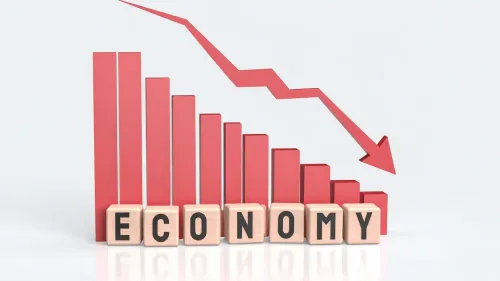
High operational costs hinder business growth, leading to a stagnant economy .
Structural reforms are necessary to broaden the tax base .
The informal economy thrives while documented businesses suffer .
New Delhi, Feb 22 (NationPress) Over the years, both civil and military administrations in Pakistan have continuously increased burdensome and regressive taxes, leading to an unbearable cost of living for the vast majority of citizens. To add to this plight, the government exhibits a total disregard for the welfare of the economically disadvantaged, according to a report in Pakistani media.
This fiscal crisis transcends mere numbers and deficits; it reflects a shattered social contract, highlighting the widening gap between the taxes paid by citizens and the benefits received in return. The imposition of high taxes without corresponding welfare services has not only failed to bolster revenue but has also undermined public trust, stifled investments, and weakened the formal economy, as noted in the Lahore-based publication, The Friday Times.
The persistent failure of Pakistan's economy is often attributed to familiar issues such as low productivity, inadequate exports, and insufficient innovation. However, these are merely surface-level symptoms; the underlying problem is a state-imposed cost structure that renders business operations excessively expensive and fundamentally irrational.
A recent analysis from Nikkei Asia reveals that businesses in Pakistan face operating costs that are 34 percent higher than those in comparable South Asian nations. This study, conducted by the Pakistan Business Forum (PBF), indicates that these additional costs are not incidental but rather structural, cumulative, and the result of policy decisions.
With only 3.4 million effective taxpayers, constituting a mere 4 percent of the 85.6 million-strong workforce, the middle class has been compelled to bear the brunt of a multi-trillion rupee deficit, while the informal elite remain untouched. The article emphasizes, “We have classified excellence as a taxable offense and transparency as a path to insolvency.”
The real tragedy is not that Pakistan collects insufficient taxes (which is a misconception regarding the tax-to-GDP ratio) but rather that it does so in an irrational manner—placing high taxes on a narrow base with low yields and a tax expenditure nearing Rs 5 trillion. Despite numerous mini-budgets, super taxes, increased levies on petroleum, enhanced withholding regimes, and expanded presumptive taxation, the debt-to-tax ratio remains alarmingly high, exceeding 700 percent.
A minuscule segment of the populace—salaried individuals, documented businesses, corporate entities, and compliant exporters—supports a bloated public apparatus. The informal sector flourishes, while the retail and wholesale markets remain predominantly unrecorded. Agriculture is scarcely taxed, and real estate speculation benefits from favorable regimes. Instead of broadening the tax base, fiscal authorities consistently resort to raising rates on those already contributing.
Point of View
It is clear that the taxation system requires urgent reform. The current model disproportionately burdens the middle class while neglecting broader economic solutions. The nation must address the disconnect between tax contributions and welfare benefits to rebuild trust and foster economic growth.
NationPress
20 Sept 2026
Frequently Asked Questions
Why are taxes in Pakistan considered regressive?
Taxes in Pakistan are seen as regressive due to their disproportionate impact on lower-income individuals, who pay a higher percentage of their income compared to wealthier citizens.
What are the consequences of high taxation without welfare?
High taxation without corresponding welfare services leads to eroded trust in the government, discouraged investments, and a weakened formal economy.
How does Pakistan’s tax system affect the middle class?
The middle class bears the brunt of the tax burden, financing a significant deficit while the affluent elite remain largely unaffected.
What is the structural issue behind high operational costs in Pakistan?
The structural issue originates from a state-engineered cost structure that makes doing business prohibitively expensive and irrational.
What could be done to improve the tax system in Pakistan?
Broadening the tax base and ensuring equitable taxation could help alleviate the burden on the middle class and foster a healthier economy.