Himachal CMO Shares Census Phase-2 Dates for Snow-Bound, Other Areas
Synopsis
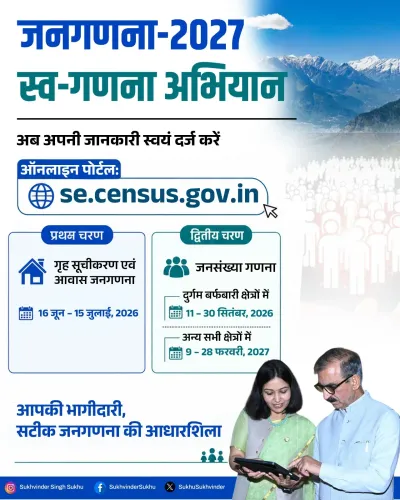
The Himachal Pradesh Chief Minister's Office has announced phase-two Census dates: 11-30 September 2026 for snow-bound areas and 9-28 February 2027 for the rest of the state. Chief Minister Sukhvinder Singh Sukhu urged citizens to participate in the national exercise, marking the state's first detailed enumeration since 2011.
Key Takeaways
Population enumeration in Himachal's snow-bound areas scheduled for 11 to 30 September 2026 .
Non-snow-bound areas to be covered from 9 to 28 February 2027 .
Announcement made by the Chief Minister's Office , attributed to CM Sukhvinder Singh Sukhu .
Forms the second phase (population count) of the long-delayed national Census.
Last completed Census in India was in 2011 ; the 2021 round was postponed during the pandemic.
Staggered schedule aligns with the practice for hill states with seasonal inaccessibility.
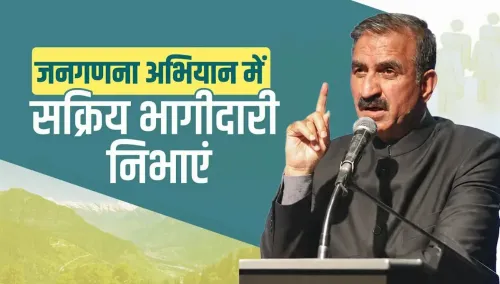
The Chief Minister's Office of Himachal Pradesh on Wednesday shared the schedule for the second phase of the upcoming national Census, flagging staggered dates for snow-bound and non-snow-bound regions of the hill state. The post, attributed to Chief Minister Thakur Sukhvinder Singh Sukhu, urged citizens to participate actively in what it called a national exercise.
According to the post, population enumeration in inaccessible snow-bound areas of Himachal Pradesh will be conducted from 11 to 30 September 2026, while other areas will be covered from 9 to 28 February 2027. 'Let us together actively participate in this national exercise,' the message read, originally posted in Hindi as 'आइए, मिलकर इस राष्ट्रीय कार्य में सक्रिय भागीदारी निभाएँ'.
Context
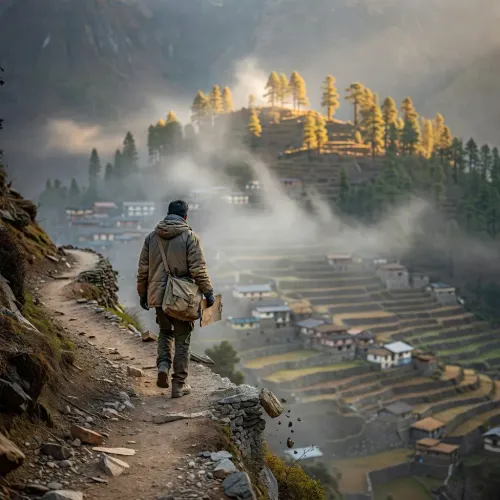
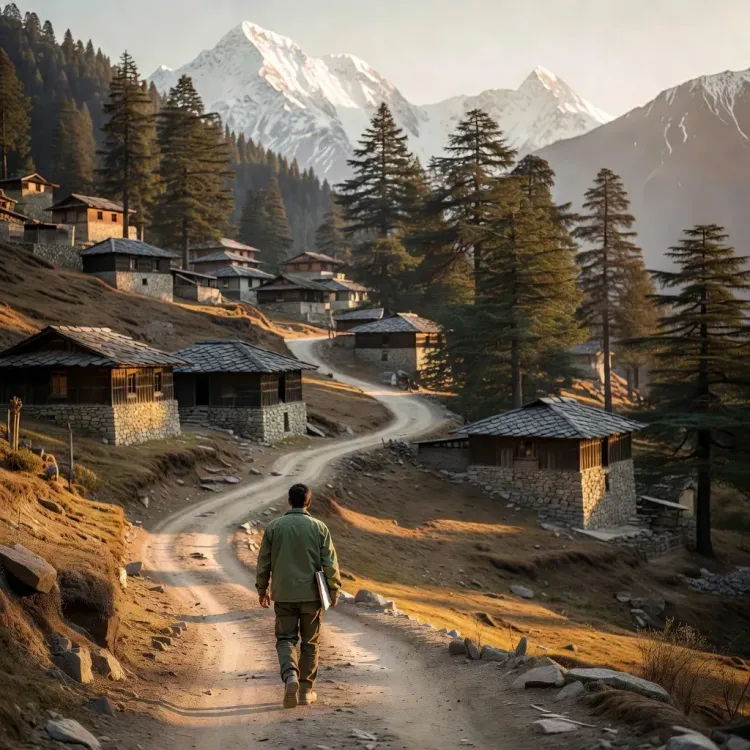
Himachal Pradesh's terrain ranges from the lower Shivaliks to the high-altitude trans-Himalayan belts of Lahaul-Spiti, Kinnaur, Pangi and upper Kullu, several of which remain cut off for months due to heavy snowfall. Conducting any large household-level exercise in these pockets requires deployment before winter sets in, typically by late September.
The Chief Minister's note signals that the state administration is aligning its outreach with the central Census calendar, asking residents and field staff alike to prepare for the enumeration window.
Policy backdrop
The Census of India is a decennial exercise conducted by the Office of the Registrar General and Census Commissioner under the Ministry of Home Affairs. The last completed count was in 2011; the 2021 round was indefinitely postponed during the COVID-19 pandemic, leaving India without a fresh population baseline for over a decade.
Preparatory work, including delimitation of enumeration blocks and training of enumerators, has been under way since 2023. The exercise traditionally follows a two-phase format — house-listing and housing census first, followed by population enumeration in the second phase. States with difficult terrain such as Himachal Pradesh, Uttarakhand and Jammu and Kashmir typically receive earlier, staggered windows to account for seasonal inaccessibility.
Stakeholders and impact
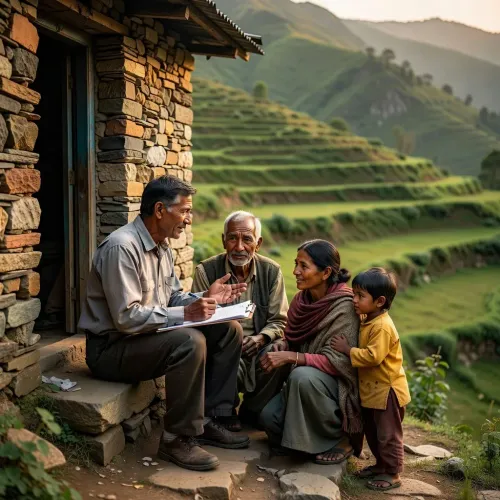
The dates, as conveyed in the post, will directly affect residents of remote Himalayan valleys whose households often go undercounted because of weather-driven delays. Accurate enumeration in these pockets feeds into welfare entitlements, electoral rolls and central transfers tied to population data.
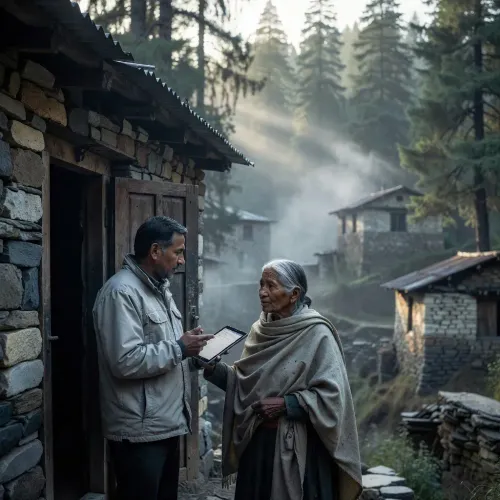
For the state machinery, the window means that district administrations, panchayati raj institutions and trained enumerators will need to be mobilised well in advance — particularly in the September 2026 snow-zone phase, where the operational margin before the first heavy snow is narrow. Schoolteachers, who form the bulk of the enumerator pool in hill districts, are likely to be central to the deployment.
What's next
The state's plans hinge on formal notifications from the Registrar General of India confirming the first-phase house-listing dates and the national rollout calendar. Operational guidelines on whether enumerators will use digital data-collection tools, and how the exercise interfaces with the National Population Register, are also expected closer to the schedule.
For Himachal Pradesh, a clean and timely count would be the first granular population picture of the state since 2011 — a dataset that will shape resource allocation, constituency-level planning and disaster-preparedness mapping in a state where geography drives governance.
Point of View
A delay that has left planners working off increasingly stale 2011 baselines. By flagging the snow-zone window first, the state is acknowledging a long-standing administrative truth — high-altitude districts cannot wait for a uniform national calendar. Politically, a fresh count carries stakes for Sukhu's Congress government, since population data will eventually feed into delimitation, fiscal devolution and welfare targeting. The bigger story to watch is whether the Registrar General's national notification mirrors these state-shared dates.
NationPress
18 Oct 2026
Frequently Asked Questions
When will the Census 2026 be conducted in Himachal Pradesh?
Population enumeration will be held from 11 to 30 September 2026 in snow-bound areas of Himachal Pradesh and from 9 to 28 February 2027 in other parts of the state, according to the Chief Minister's Office.
Why does Himachal Pradesh have two different Census dates?
Himachal has separate schedules because several high-altitude districts such as Lahaul-Spiti, Kinnaur and Pangi remain cut off during winter. Snow-bound areas are therefore enumerated before the heavy snowfall season, while the rest of the state is covered later.
Who announced the Himachal Pradesh Census dates?
The dates were shared by the Chief Minister's Office of Himachal Pradesh, with the post attributed to Chief Minister Thakur Sukhvinder Singh Sukhu.
When was the last Census conducted in India?
The last completed decennial Census in India was in 2011. The 2021 Census was indefinitely postponed due to the COVID-19 pandemic, and preparatory work for the next round has been under way since 2023.
What is the second phase of the Census?
The second phase is the population enumeration, which counts individuals and collects demographic details. It follows the first phase — the house-listing and housing census — which records buildings and household amenities.