CM Himanta Hails PRAGATI as Modi's Tool Against Red Tape
Synopsis
Assam Chief Minister Himanta Biswa Sarma has publicly praised PRAGATI, PM Modi's monthly project-review platform launched in 2015, crediting its rigorous follow-up model for cutting bureaucratic delays and strengthening Centre-State coordination on developmental projects.
Key Takeaways
Himanta Biswa Sarma praised PRAGATI on 29 October 2026 , calling it PM Modi's 'brainchild' for fighting red tapism.
PRAGATI (Pro-Active Governance and Timely Implementation) was launched by PM Narendra Modi in March 2015 as a monthly video-conferencing review mechanism.
The platform brings central ministries and state governments together in real-time sessions chaired by the Prime Minister.
North-East states, including Assam , have had infrastructure and welfare projects reviewed through PRAGATI sessions.
Sarma is also convenor of the North-East Democratic Alliance (NEDA) , giving him a regional stake in Centre-State coordination outcomes.
Future PRAGATI sessions are expected to continue tracking infrastructure roll-outs across Assam and the wider North-East.
Eleven years after Prime Minister Narendra Modi launched it, the PRAGATI platform continues to earn political endorsement from the states it was built to serve. Assam Chief Minister Himanta Biswa Sarma on Thursday, 29 October 2026, praised the Centre's flagship project-review mechanism as a proven engine for cutting bureaucratic delays and tightening coordination between New Delhi and state governments.
What PRAGATI does — and why it matters to the North-East
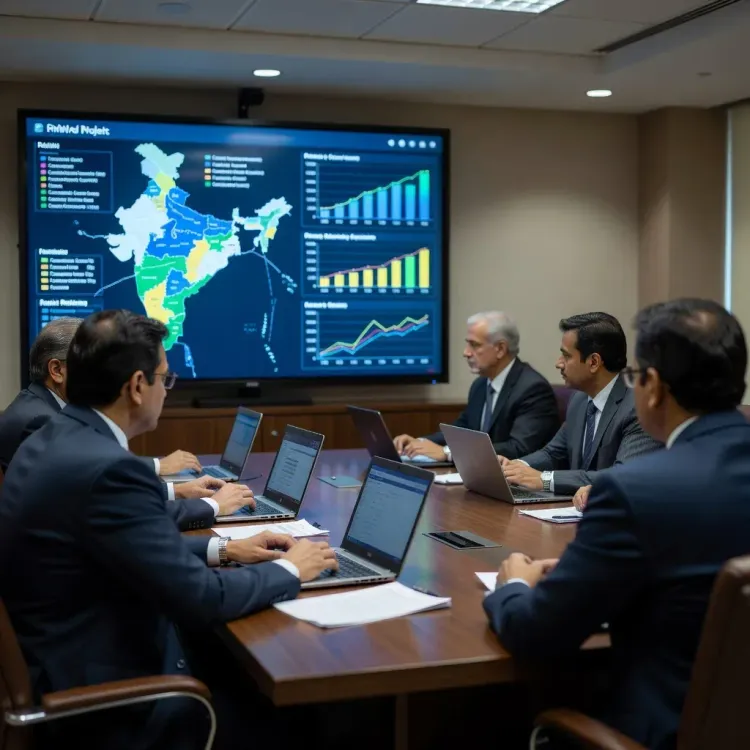
PRAGATI — short for Pro-Active Governance and Timely Implementation — was conceived and launched by Prime Minister Modi in March 2015 as a technology-enabled, monthly video-conferencing platform for reviewing stalled or slow-moving developmental projects. The model brings together senior bureaucrats from central ministries and state governments in a single real-time session, with the Prime Minister personally chairing reviews and pressing for accountability on the spot.
Sarma described the platform as a 'brainchild' of Modi, crediting its 'extensive review model backed by diligent follow-ups' for ensuring that projects do not get 'stuck in red tapism.' The remark is more than routine appreciation — states in the North-East, historically disadvantaged by distance from Delhi and thinner administrative bandwidth, have had significant infrastructure and welfare schemes tracked through PRAGATI sessions over the years.
The governance logic: review over red tape
The core premise of PRAGATI is simple but radical for Indian bureaucracy: the Prime Minister himself becomes the final reviewer, eliminating the need for projects to travel through layers of inter-ministerial correspondence before a decision is reached. Each session is data-driven, with project officers required to present real-time status updates, making it difficult to obscure delays behind paperwork.
Sarma's post underscores a broader governance bet by the BJP-led Centre — that digital review mechanisms, when backed by consistent political will at the top, can compress the gap between scheme announcement and on-ground delivery. For the North-East, where connectivity and infrastructure projects have long languished in procedural queues, that bet has been a recurring theme of NEDA politics since 2016.
What Assam is watching next
Sarma, who also serves as convenor of the North-East Democratic Alliance (NEDA), has a direct stake in how Centre-State coordination performs across the region. Future PRAGATI sessions are expected to continue tracking infrastructure roll-outs across Assam and neighbouring states; progress updates could surface in assembly sessions or central ministry status reports in the months ahead.
The platform is now over a decade old — and the fact that a sitting Chief Minister still finds it worth publicly endorsing suggests it has embedded itself as routine governance infrastructure, not a one-term novelty. One sentence that captures the stakes: when the Prime Minister is personally waiting for your project update next month, the paperwork moves faster.
Point of View
Where the BJP has built its regional coalition partly on the promise of faster Central fund flows and infrastructure, praising a Centre-run review mechanism also doubles as an assertion of alliance loyalty. The decade-long longevity of PRAGATI — surviving multiple budget cycles and administrative reshuffles — points to an institutionalisation of the Prime Minister's office as a direct project-monitoring node, a structural shift that concentrates delivery accountability upward. Whether that centralisation accelerates outcomes or simply shifts blame dynamics between Delhi and state capitals remains the defining tension in this governance model.
NationPress
29 Oct 2026
Frequently Asked Questions
What is the PRAGATI platform in India?
PRAGATI stands for Pro-Active Governance and Timely Implementation. It is a monthly video-conferencing mechanism launched by Prime Minister Narendra Modi in March 2015 to review and accelerate stalled developmental projects through direct Centre-State coordination.
Why did Himanta Biswa Sarma praise PRAGATI?
Assam Chief Minister Himanta Biswa Sarma praised PRAGATI on 29 October 2026, crediting its extensive review model and diligent follow-ups for preventing developmental projects from getting stuck in red tapism.
When was PRAGATI launched and by whom?
PRAGATI was launched by Prime Minister Narendra Modi in March 2015 as a technology-enabled platform for real-time monitoring of central and state-level developmental projects.
How does PRAGATI help North-East states like Assam?
PRAGATI sessions have routinely covered infrastructure and welfare projects in the North-East, giving states like Assam a direct line to Prime Ministerial review, which helps cut delays caused by inter-ministerial bureaucracy.
What is NEDA and what is Himanta Biswa Sarma's role in it?
NEDA is the North-East Democratic Alliance, a BJP-led coalition of regional parties across the North-East. Himanta Biswa Sarma serves as its convenor, making Centre-State coordination a central concern of his political role.