CM Dhami Launches Literary Journals at Lekhak Gaon Fest
Synopsis
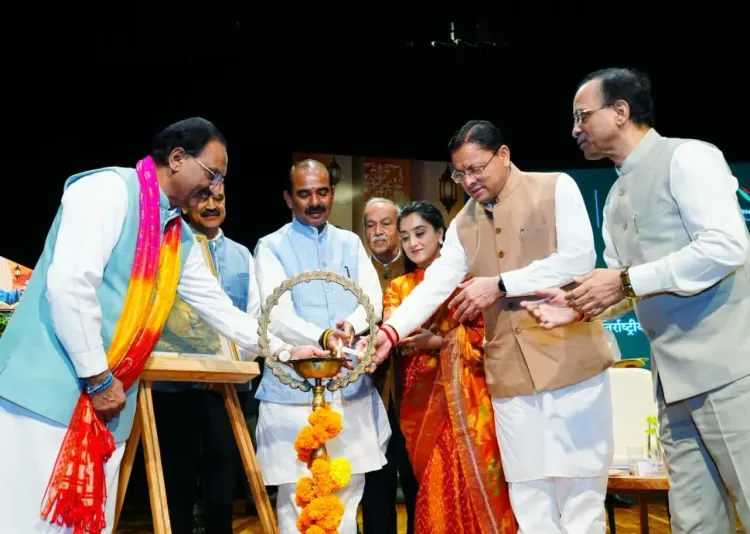
Chief Minister Pushkar Singh Dhami attended the closing ceremony of Lekhak Gaon International Festival 2026 in Thano, Dehradun, releasing two literary publications and announcing two new Sahitya Grams with residential and library facilities for writers across Uttarakhand.
Key Takeaways
CM Pushkar Singh Dhami attended the closing ceremony of Lekhak Gaon International Festival 2026 at Thano, Dehradun on 29 October 2026 .
Two publications released: magazine Dharti ka Swarg Uttarakhand and poetry anthology Devbhoomi ka Kavya Pushp .
State government announced the establishment of two Sahitya Grams with residential facilities, modern libraries, seminar rooms, and study spaces for writers.
Existing literary awards — Uttarakhand Sahitya Gaurav Samman , Sahitya Bhushan , and Lifetime Achievement Award — continue alongside publication grants for regional-language authors.
Uttarakhand aims to become a leading centre of literary tourism .
Union MoS Ajay Tamta highlighted rising reverse migration in border areas as a sign of developmental progress under central and state government initiatives.
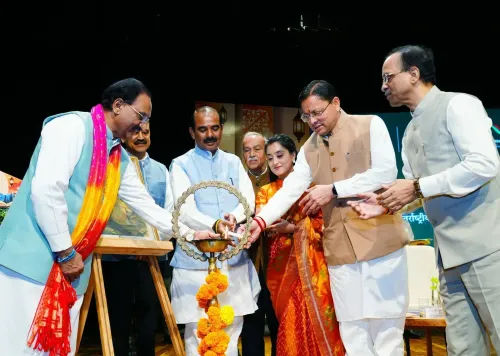
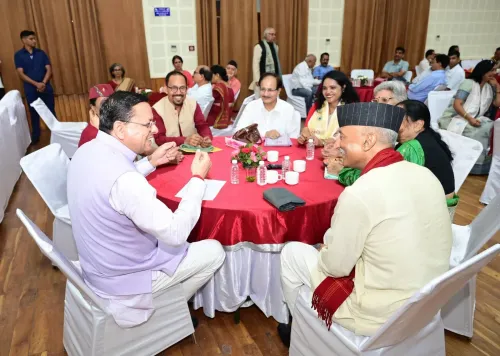
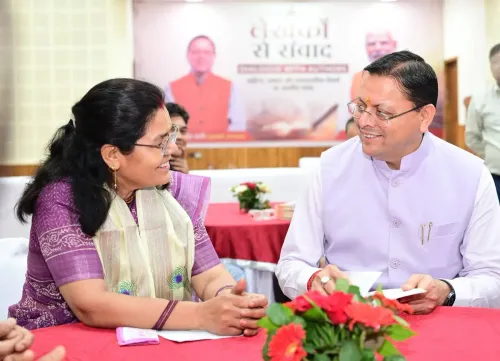
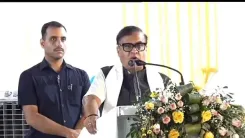
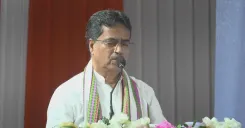
Words, Chief Minister Pushkar Singh Dhami declared on Thursday, 29 October 2026, can be weapons of nation-building — and Uttarakhand intends to forge them. Attending the closing ceremony of the Lekhak Gaon International Festival 2026 at Lekhak Gaon, Thano, Dehradun, Dhami unveiled two literary publications and announced the state government's plan to establish two dedicated literary villages across the state.
Two new journals and a promise to Uttarakhand's writers
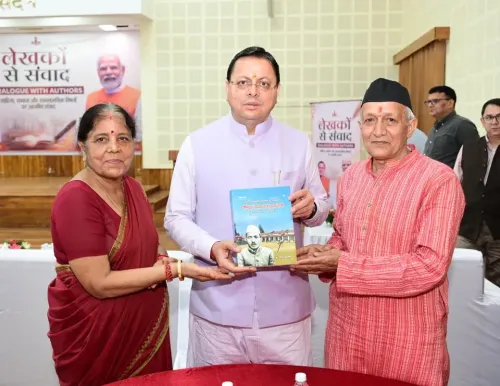
At the ceremony, CM Dhami released the Lekhak Gaon magazine 'Dharti ka Swarg Uttarakhand' ('Uttarakhand — Heaven on Earth') and the poetry anthology 'Devbhoomi ka Kavya Pushp' ('The Poetic Flower of Devbhoomi'). Both publications are positioned as vehicles for celebrating the state's landscape, culture, and literary identity on a wider platform.
Dhami was direct about the stakes: 'Lekhak Gaon is a symbol of ideas that give direction to society — shaping not just the present but also the future.' He described the village as a launchpad for local talent that is simultaneously writing Uttarakhand onto the national and international literary map.
Atal Bihari Vajpayee — the poet-statesman invoked
In a tribute that anchored the festival's spirit, Dhami remembered Bharat Ratna and former Prime Minister Atal Bihari Vajpayee, calling him a 'seeker of words' whose pen carried 'the firmness of mountains and the depth of the Ganga.' The invocation was pointed: Vajpayee, himself a celebrated Hindi poet, is a natural patron saint for any literary gathering in the Hindi heartland, and Dhami used the tribute to argue that literature is not ornamental — it is statecraft.
Two literary villages — the infrastructure of ideas
The announcement that generated the most policy weight was the plan to establish two Sahitya Grams (literary villages) in Uttarakhand. Each will be developed with residential facilities for writers, a modern library, seminar rooms, and dedicated study spaces — creating, in the CM's framing, a 'conducive environment' for serious creative work.
The state government also reaffirmed its existing literary support architecture: the Uttarakhand Sahitya Gaurav Samman, the Sahitya Bhushan award, and a Lifetime Achievement Award for outstanding litterateurs, alongside publication grants for authors writing in Hindi and regional languages. The longer ambition is to transform Uttarakhand into a leading centre of literary tourism.
Reverse migration, Devbhoomi's civilisational claim, and Modi's cultural arc
Union Minister of State Ajay Tamta, speaking at the event, pointed to rising reverse migration in border regions — a trend he credited to central and state government initiatives. The detail matters: literary and cultural investment is part of a broader push to make Uttarakhand's hills economically and emotionally worth returning to.
Dhami also situated the state's effort within Prime Minister Narendra Modi's wider programme of 'renaissance of India's cultural and literary heritage,' pledging to compile, preserve, and restore Uttarakhand's scattered literary tradition in a more systematic way. Also present at the ceremony were former Chief Minister Dr. Ramesh Pokhriyal Nishank, Hemvati Nandan Bahuguna Garhwal University Vice Chancellor Prof. Prakash Singh, and academics Prof. Pradeep Bhardwaj, Prof. Rakesh Sundariyal, and Dr. Vidushi Nishank.
Uttarakhand has long called itself Devbhoomi — the land of the gods. CM Dhami's bet is that the same mountains that inspired ancient rishis to compose great texts can now anchor a modern literary economy. The two Sahitya Grams will be the first real test of that ambition.
Point of View
From literary hubs to craft villages, and tests whether state-level replication can generate similar traction. The invocation of Vajpayee — a poet-politician of genuine stature — adds ideological legitimacy to what is ultimately a government-directed cultural push. The reverse-migration subtext is the sharpest political signal: if writers and intellectuals can be drawn back to the hills, it validates the state's broader pitch that Uttarakhand is becoming liveable, not just visitable.
NationPress
29 Oct 2026
Frequently Asked Questions
What is Lekhak Gaon in Uttarakhand?
Lekhak Gaon is a literary village located in Thano, Dehradun district, Uttarakhand, developed as a dedicated platform for writers, poets, and literary activities, including the annual Lekhak Gaon International Festival.
What did CM Dhami announce at the Lekhak Gaon International Festival 2026?
CM Pushkar Singh Dhami announced the establishment of two Sahitya Grams (literary villages) in Uttarakhand, each equipped with residential facilities, modern libraries, seminar rooms, and study spaces for writers. He also released two publications at the event.
What publications were released at the Lekhak Gaon festival?
CM Dhami released the Lekhak Gaon magazine 'Dharti ka Swarg Uttarakhand' and a poetry anthology titled 'Devbhoomi ka Kavya Pushp' at the closing ceremony of the festival.
What literary awards does the Uttarakhand government give to writers?
The Uttarakhand government awards the Uttarakhand Sahitya Gaurav Samman, the Sahitya Bhushan, and a Lifetime Achievement Award to outstanding litterateurs. The state also provides publication grants for authors writing in Hindi and regional languages.
What is Uttarakhand's literary tourism plan?
The Uttarakhand state government is working to develop the state as a leading centre of literary tourism, including through the establishment of Sahitya Grams and support for festivals like the Lekhak Gaon International Festival.