CM Dhami Closes Lekhak Gaon Fest, Unveils Two Books
Synopsis
Uttarakhand CM Pushkar Singh Dhami closed the Lekhak Gaon International Mahotsav-2026 in Thano, Dehradun, releasing two books, reaffirming state literary awards and author grants, and pledging to build Uttarakhand into a leading literary tourism destination.
Key Takeaways
Lekhak Gaon International Mahotsav-2026 concluded at Lekhak Gaon, Thano, Dehradun , on 29 October 2026 .
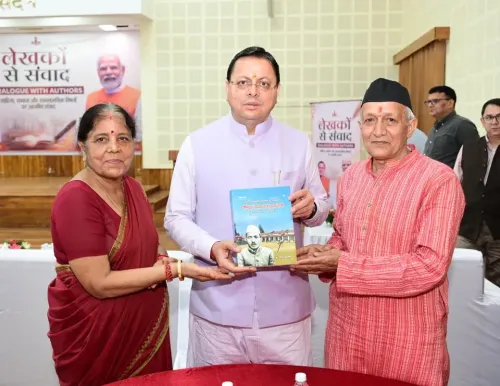
CM Dhami released two publications: 'Dharti Ka Swarg Uttarakhand' and 'Devbhoomi Ka Kavya Pushp' .
The state is conferring Uttarakhand Sahitya Gaurav Samman , Sahitya Bhushan , and Lifetime Achievement Awards on distinguished writers.
Publication grants for authors writing in Hindi and local languages are being provided by the Uttarakhand government.
Dhami declared the government's intent to develop Uttarakhand as a major literary tourism centre .
Union MoS Ajay Tamta and former CM Dr Ramesh Pokhriyal Nishank attended the closing ceremony.
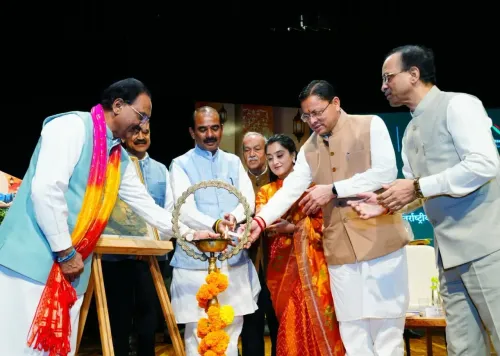
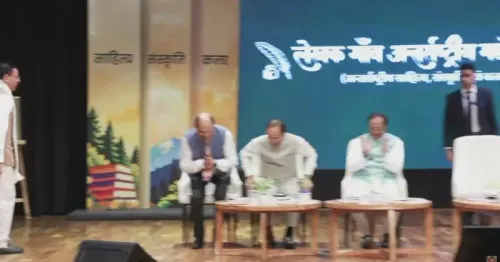
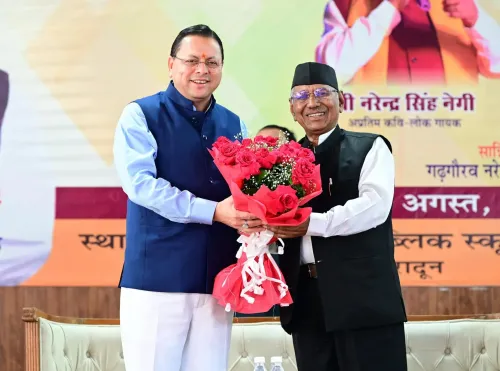
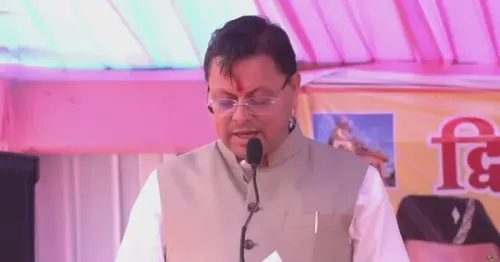
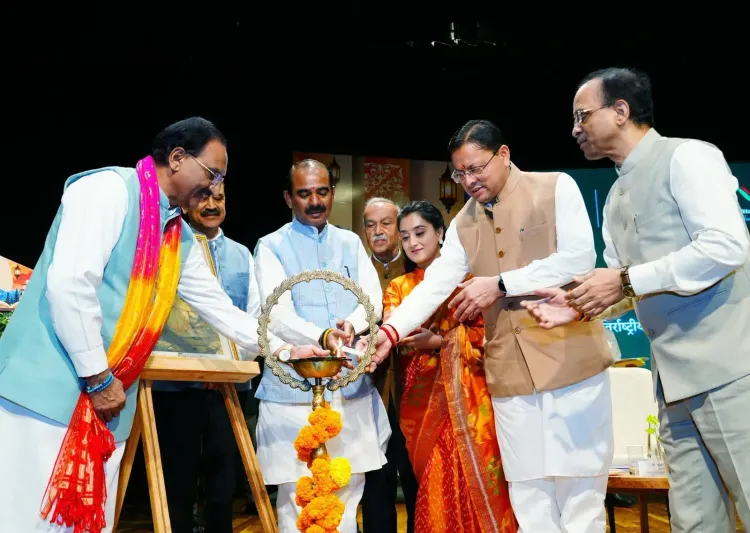
Where the Himalayan foothills meet literary ambition, Uttarakhand Chief Minister Pushkar Singh Dhami arrived at Lekhak Gaon in Thano, Dehradun, on Thursday, 29 October 2026 to close the Lekhak Gaon International Mahotsav-2026 — and left with two new books unveiled and a string of state commitments to literary culture.
Two Books, One Stage at Thano
At the closing ceremony, CM Dhami released two publications: 'Dharti Ka Swarg Uttarakhand' (धरती का स्वर्ग उत्तराखंड, 'Uttarakhand — Heaven on Earth') and 'Devbhoomi Ka Kavya Pushp' (देवभूमि का काव्य पुष्प, 'The Poetry Flower of the Land of Gods'). The dual release tied the event's theme — celebrating Indian-language writing — directly to Uttarakhand's own Himalayan identity.
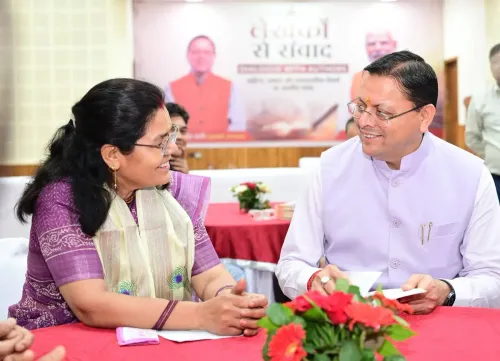
Lekhak Gaon, the literary village established in the forested Thano area of Dehradun district, has built a reputation as a resident retreat and festival venue for Hindi and regional-language writers. Its director, Vidushi Nishank, was present on stage alongside Dhami for the closing session.
Awards and Grants the State Is Putting on the Table
Dhami outlined three pillars of his government's literary support framework. The Uttarakhand Sahitya Gaurav Samman, the Sahitya Bhushan honour, and a Lifetime Achievement Award are being conferred on distinguished writers from the state. Beyond trophies, the government is providing publication grants to authors writing in Hindi and other local languages — a direct subsidy for books that commercial markets alone might not sustain.
The policy lineage runs back to Uttarakhand's formation as a separate state in 2000, when dedicated mechanisms for Hindi and regional-language promotion became state priorities. That institutional scaffolding is now being rebuilt with a tourism-facing rationale: positioning literary culture as a draw for visitors, not merely a subsidy for writers.
Literary Tourism — the Bigger Bet Dhami Is Making
The Chief Minister was explicit about the direction of travel. His government, he said, is working to develop Uttarakhand as a 'major centre of literary tourism'. The logic is straightforward — the state already markets its Himalayan landscapes and temple circuits aggressively; layering literary festivals, writers' residencies, and book events onto that infrastructure could extend visitor dwell-time and spending into sectors well beyond pilgrimage and adventure sports.
Indian states have increasingly raced to own cultural identity as a tourism differentiator, and Uttarakhand's Himalayan-heritage brand makes it a natural candidate. The question analysts will watch is whether 'literary tourism' stays a tagline or gets backed by infrastructure — residency facilities, translation support, and possible collaboration with national bodies such as the Sahitya Akademi.
Who Shared the Stage
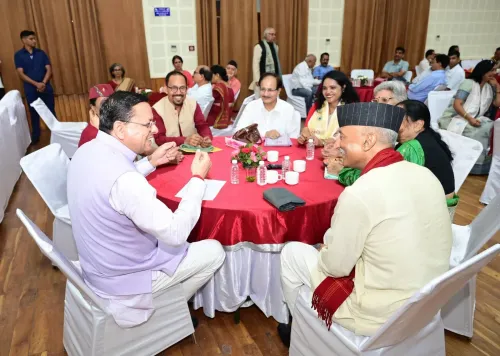
Union Minister of State Ajay Tamta, who represents Uttarakhand in the central government, attended the closing, signalling Delhi's endorsement of the event's cultural significance. Former Chief Minister and former Union Education Minister Dr Ramesh Pokhriyal 'Nishank' — himself a prolific Hindi author — was also present, lending the occasion a rare continuity across political generations and literary roles. His attendance alongside daughter-in-law Vidushi Nishank, who directs Lekhak Gaon, underscored how closely the institution is tied to the Nishank family's long investment in Uttarakhand's literary ecosystem.
Uttarakhand's mountains have long drawn pilgrims and trekkers. If Dhami's government delivers on its literary-tourism promise, the next visitor to Thano may come not for the altitude — but for the verse.
Point of View
A published Hindi author himself, gives the literary-awards framework cross-generational legitimacy that goes beyond a single government's tenure. The real test will come when the Sahitya Akademi relationship and residency infrastructure are either formalised or quietly shelved.
NationPress
29 Oct 2026
Frequently Asked Questions
What is Lekhak Gaon in Dehradun?
Lekhak Gaon is a literary village located in the Thano area of Dehradun district, Uttarakhand , established to host writers, literary festivals, and cultural programmes. It is directed by Vidushi Nishank .
What books did CM Dhami release at Lekhak Gaon Mahotsav 2026?
CM Dhami released two books at the closing ceremony: 'Dharti Ka Swarg Uttarakhand' ('Uttarakhand — Heaven on Earth') and 'Devbhoomi Ka Kavya Pushp' ('The Poetry Flower of the Land of Gods').
What literary awards does the Uttarakhand government give to writers?
The Uttarakhand government confers the Uttarakhand Sahitya Gaurav Samman , the Sahitya Bhushan honour, and a Lifetime Achievement Award on distinguished literary figures from the state.
What is Uttarakhand's literary tourism plan?
CM Dhami has stated his government is working to develop Uttarakhand as a major centre of literary tourism , combining the state's Himalayan heritage brand with literary festivals, author residencies, and publication support.
Who attended the Lekhak Gaon International Mahotsav 2026 closing ceremony?
The closing was attended by Union Minister of State Ajay Tamta , former Chief Minister and former Union Education Minister Dr Ramesh Pokhriyal Nishank , and Lekhak Gaon Director Vidushi Nishank , among other dignitaries.